
The School Cafeteria Pizza That Actually Works

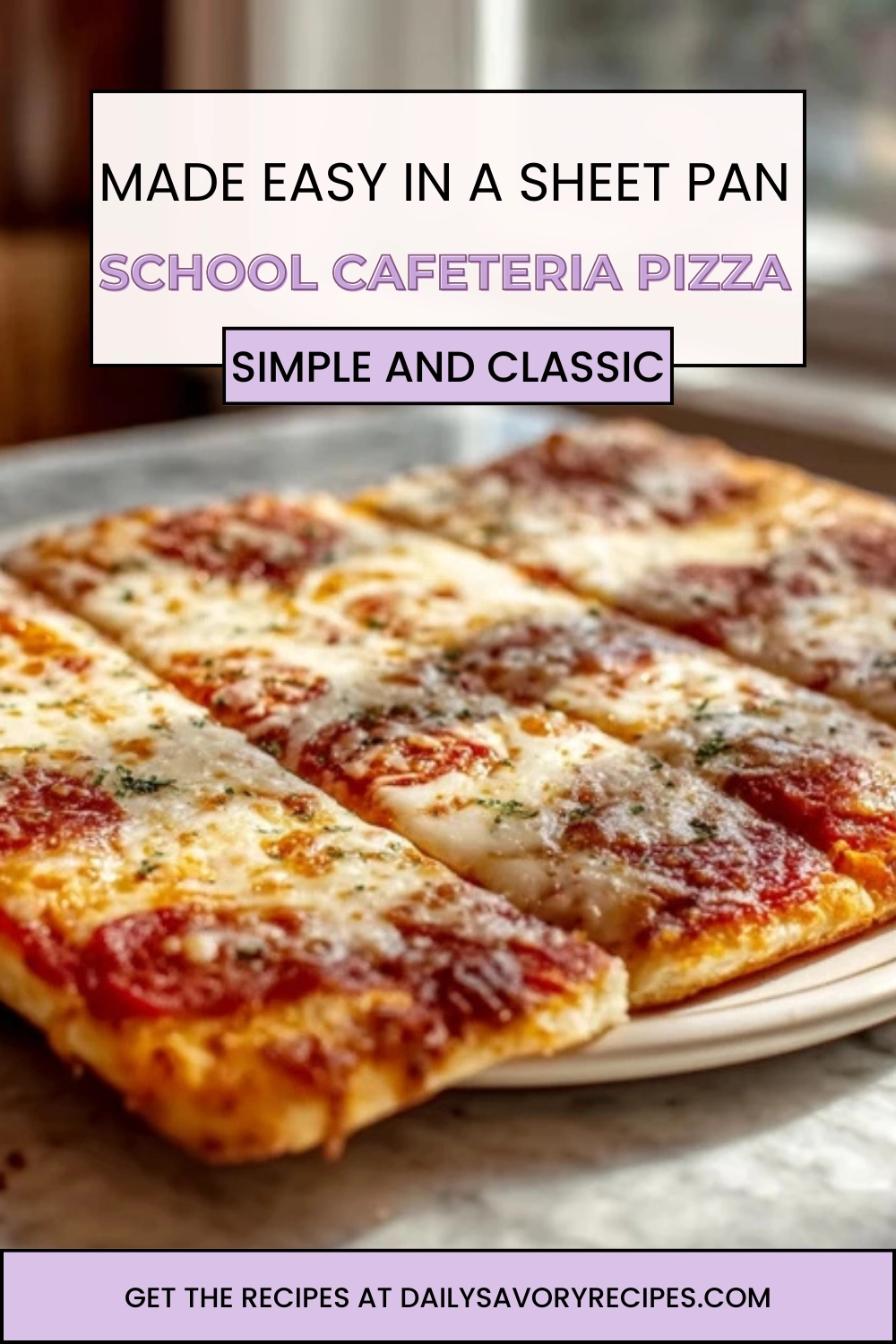
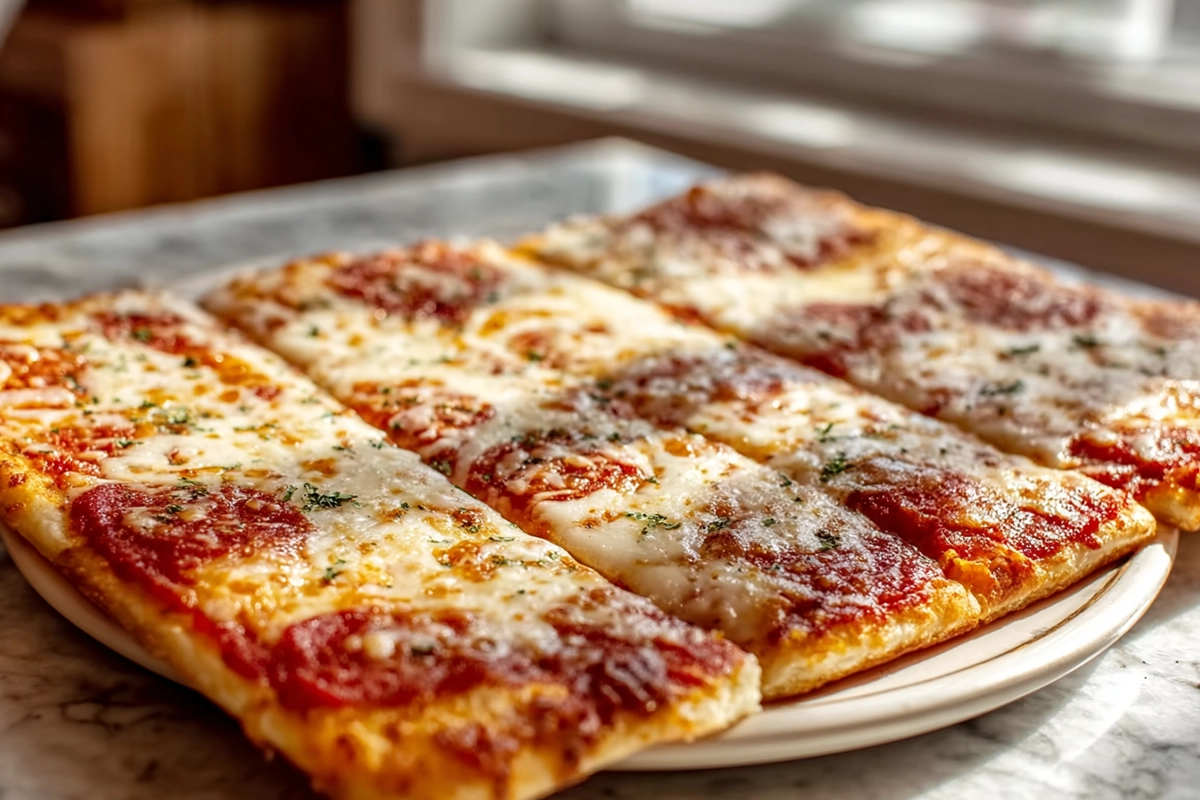
School Cafeteria Pizza is one of those food memories that refuses to behave. You remember the smell first—warm bread, sweet tomato sauce, and melted cheese hitting the air all at once. Then the texture: a soft, almost spongy crust that wasn’t crispy, wasn’t chewy, but somehow perfect when folded on a flimsy paper plate. It didn’t look impressive, but it ate like comfort. That’s the version we’re chasing here, not some adult reinterpretation that forgets why this pizza mattered in the first place.
Most recipes claiming to recreate cafeteria pizza miss the point. They over-knead the dough, skip the weird ingredients, or try to turn it into a standard homemade pizza with a nostalgia label slapped on top. You end up with something fine—but fine isn’t the same as right. Cafeteria pizza has its own rules, and if you ignore them, the texture gives you away immediately.
Here’s my promise: this version works because it respects the original logic. The crust is mixed like a batter on purpose. The ingredients look odd until you understand what each one does. Nothing here is trendy, and nothing is accidental. If you follow this approach, you don’t just get pizza—you get that unmistakable, rectangular, lunch-tray energy that made pizza day the best day of the week.
Table of Contents
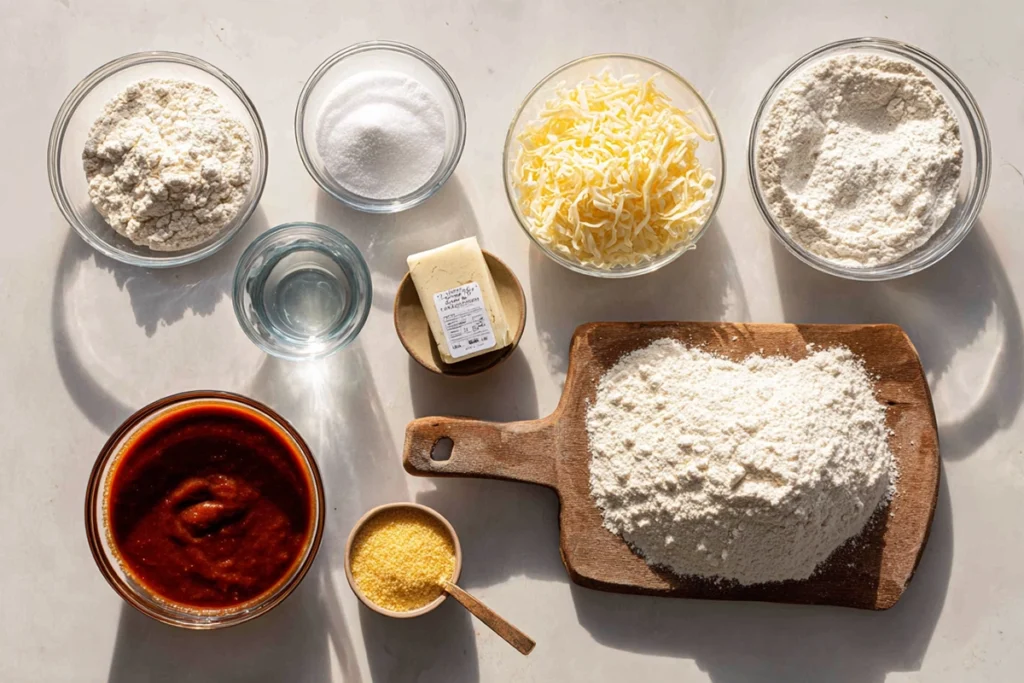
The No-Regret Ingredients
Yeast
This recipe uses standard active dry yeast, and it does exactly what we need—nothing more. You’re not building artisan structure here, just lift and tenderness. Don’t rush it and don’t kill it with hot water.
Non-Fat Dry Milk Powder
This is the ingredient people want to skip, and it’s the reason most copies fail. Dry milk softens the crumb and gives the crust that unmistakable cafeteria chew. I buy the basic store-brand box and never overthink it.
All-Purpose Flour
Regular all-purpose flour is correct here. Bread flour makes the crust too chewy, and anything fancy pulls the texture in the wrong direction. This pizza was designed for reliability, not character.
Sugar
Sugar isn’t just for sweetness—it feeds the yeast and nudges the crust toward that slightly sweet school-lunch profile. Don’t reduce it unless you’re intentionally changing the flavor.
Oil
Neutral oil keeps the batter loose and helps the crust bake evenly. Olive oil adds flavor you don’t want here; this is one place where plain is better.
Crisco Shortening
Shortening on the pan matters. It fries the bottom just enough to prevent sticking and adds that faint cafeteria aroma. Butter burns at this temperature—don’t use it.
Cornmeal
Cornmeal is about texture, not taste. It creates that subtle grit on the bottom that keeps the crust from feeling steamed. Cheap cornmeal is perfect.
Pizza Sauce
Use a smooth, slightly sweet sauce with no chunky herbs. Homemade or store-bought is fine, as long as it spreads easily and doesn’t overpower the crust.
Mozzarella Cheese
Low-moisture, pre-shredded mozzarella melts exactly the way cafeteria pizza should. Fresh mozzarella releases too much water and works against the structure.
Toppings
Keep toppings simple and restrained. Overloading the pizza turns it into something else entirely, and that’s not the goal here.
The Process That Makes It Cafeteria Pizza
Why This Is a Batter, Not a Dough
This is where most people get uneasy, because what’s in the bowl doesn’t look like pizza dough—and that’s correct. When you mix everything together, you’re aiming for something closer to thick pancake batter than kneadable dough. Visually, it should slump and spread on its own, not hold a shape. When you touch it, it should feel tacky like a Post-it note, not wet like glue. The smell at this stage is mild and yeasty, slightly sweet, nothing sharp. If it already smells “bready,” you’ve overworked it.
The Rest That Does the Heavy Lifting
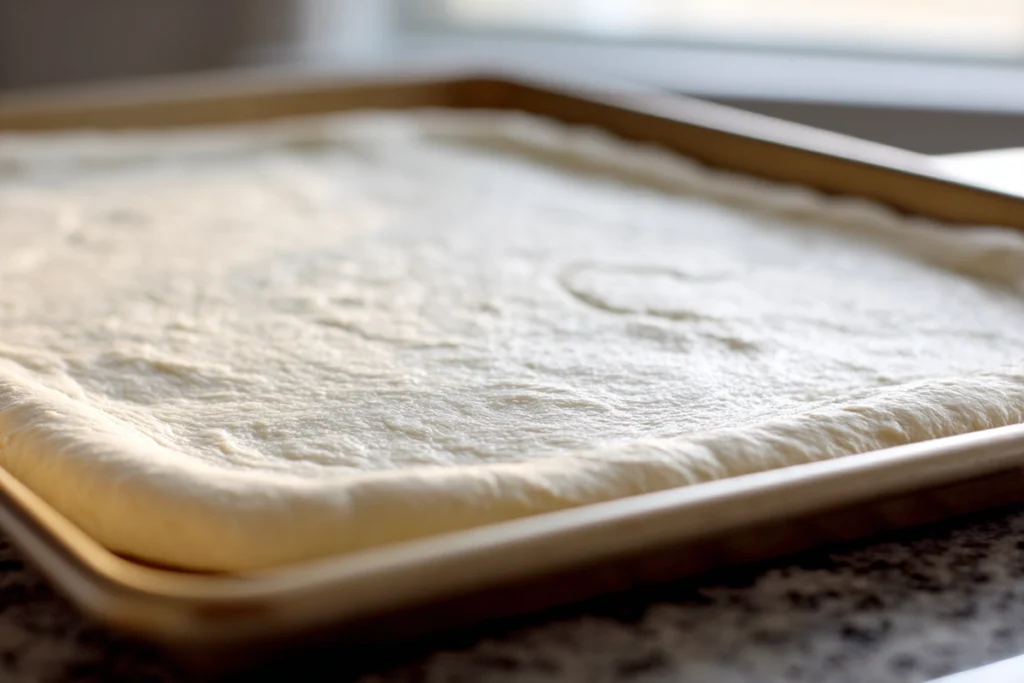
Once the batter is spread into the pan, the resting time matters more than people think. You’ll see the surface slowly change—small bubbles forming, the batter relaxing outward until it fills the corners on its own. If you press it lightly with your fingertip, it should spring back slowly, leaving just a faint impression. There’s no dramatic rise, no big puff. The smell becomes warmer and more bread-like, and that’s your cue that the yeast is awake but not out of control.
Baking the Crust Before the Toppings
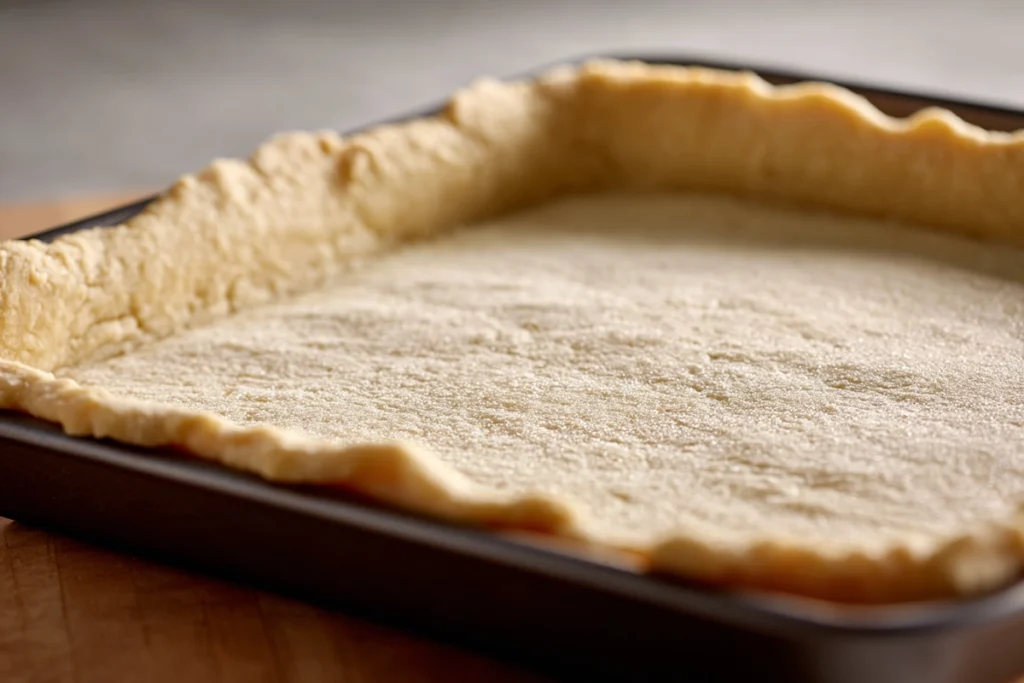
This first bake is what keeps the pizza from collapsing under sauce and cheese later. As it bakes, look for the surface to turn matte instead of shiny, with pale golden patches starting to appear. When you touch the center lightly, it should feel set but still soft, like a fresh dinner roll. You’ll hear a faint sizzle from the oiled pan underneath, and the smell shifts from raw batter to toasted bread. If it browns too much here, it’ll be dry later—this stage is about structure, not color.
The Second Bake Is About Melt, Not Crunch
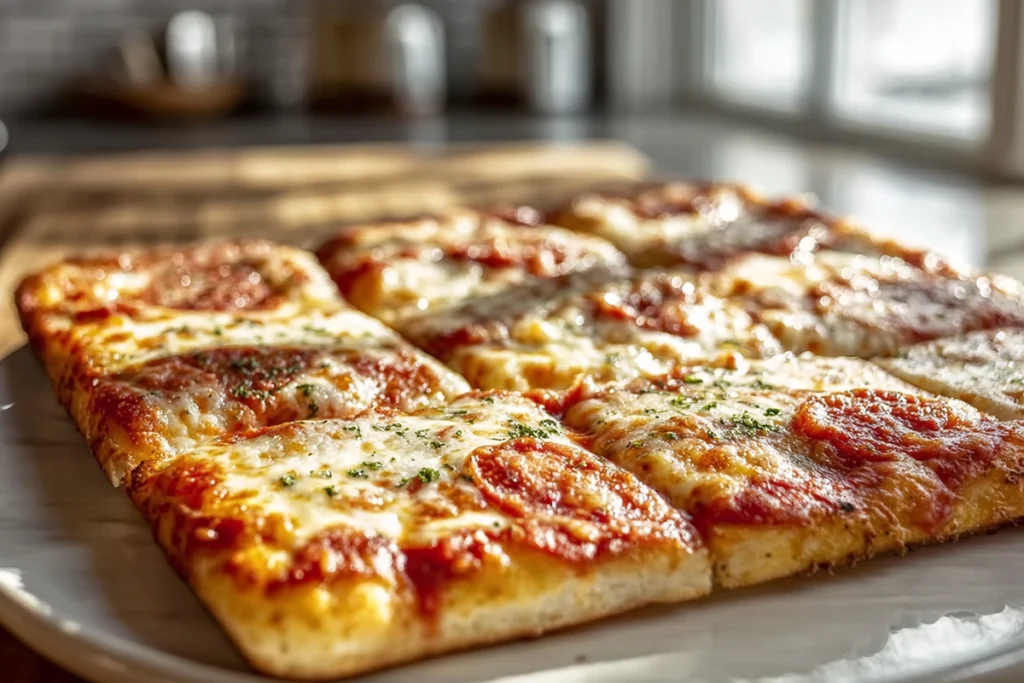
After topping, everything happens fast. The cheese should melt into a smooth, glossy layer, not sit in stiff shreds. You’re watching for light browning at the edges and small golden spots across the top. When you pull it from the oven, the pan should hiss quietly, and the smell should be unmistakable—sweet tomato, warm dairy, and toasted crust. Let it rest briefly; the surface tightens as it cools, making clean slices possible.
The Uh-Oh Moments (Where People Mess This Up)
Why Is My Batter Too Thick?
The first time I made this, I panicked and added flour because it didn’t look like dough. Big mistake. If your batter is thick and resistant, it’s usually from packing the flour too tightly. Visually, it should spread with minimal coaxing. If it feels stiff under your fingers instead of tacky, you’ve gone too far.
My Crust Came Out Pale and Sad
This one’s on oven temperature. My oven runs cool, and my first batch looked like it needed a nap. You should hear a quiet sizzle when the pan hits the oven and smell toasted bread within a few minutes. If that doesn’t happen, your oven isn’t hot enough—an oven thermometer fixes this problem instantly.
The Middle Is Soggy
Too much sauce or skipping the pre-bake will do it every time. If the center looks shiny and wet after the first bake, it wasn’t ready for toppings. The crust should look dry on the surface and feel set when touched. Anything less, and the sauce wins.
It Doesn’t Taste Like Cafeteria Pizza
This is usually ingredient sabotage. Skipping the dry milk, swapping oils, or using fancy cheese changes the flavor fast. The smell should remind you of a school lunchroom when it comes out of the oven—warm, slightly sweet, and unmistakably familiar. If it smells like an Italian restaurant, you made a different pizza.
Make It Your Own (Without Losing the Plot)
Pepperoni Like the Lunch Line Version
If you’re adding pepperoni, use the small, standard slices—not thick-cut or fancy. I dice some of them and leave a few whole so the fat renders into the cheese without pooling. When it bakes, you should see tiny orange oil freckles across the mozzarella and smell that unmistakable pepperoni aroma as soon as the oven door opens. That’s the right signal.
Cheddar-Mozzarella Blend
This works, but only if you shred the cheddar yourself from a block. Pre-shredded cheddar has anti-caking agents that keep it from melting smoothly, and you’ll feel the difference when you bite in. The finished pizza should still feel soft under your fingers, with a slightly sharper smell than plain mozzarella. Keep the ratio mostly mozzarella, or the crust gets overwhelmed.
Meat Lovers (Cafeteria Style)
If you want sausage or ground beef, cook it fully first and crumble it small—smaller than you think. Big chunks make the pizza heavy and pull moisture into the crust. When done right, the top should smell savory but not greasy, and the slice should still fold without cracking.
Vegetarian, the Real Way
Skip the raw vegetables. If you want onions or peppers, sauté them first until they’re soft and lightly browned. Raw veggies steam and make the surface wet; cooked ones blend into the cheese and sauce. You’ll smell sweetness instead of water, which is how you know you did it right.
Serving & Storing (Real Life)
I eat this pizza warm, cut into thick rectangles, usually with nothing but a glass of cold milk. Letting it sit for five to ten minutes makes a real difference—the cheese sets slightly, the crust firms up, and slices come out clean instead of sliding apart. The bottom should feel sturdy when you pick it up, not floppy.
For storing, slice it before freezing. Wrap individual pieces tightly and freeze them flat. Don’t put this pizza in the fridge if you can help it—bread dries out faster there than anywhere else. Frozen slices keep well and don’t lose their texture.
To reheat, the air fryer is king. Two to three minutes brings back the warm center and lightly crisped bottom without drying it out. The oven works too, but skip the microwave unless nostalgia includes disappointment.
One Last Thing
This School Cafeteria Pizza isn’t about perfection—it’s about getting the feeling right. When the smell hits and the crust bends without breaking, you’ll know you landed exactly where you were aiming.
Get inspired with more mouthwatering recipes! Follow me on Pinterest for new cooking ideas every week.
Frequently Asked Questions
Why is my cafeteria pizza crust too dense instead of soft?
This almost always comes from adding too much flour or treating the batter like dough. This recipe is supposed to look loose and slightly messy before baking. If it spreads on its own and feels tacky—not stiff—you’re on the right track.
Can I make School Cafeteria Pizza without a stand mixer?
Yes. A hand mixer works fine, and I’ve even done it with a sturdy whisk and patience. What matters is mixing long enough to hydrate everything, not building strength like traditional pizza dough.
What pan size gives the right cafeteria-style thickness?
A standard half sheet pan is key. Smaller pans make it too thick and bready, while larger pans spread it thin and lose that classic lunchroom bite. Thickness is half the nostalgia here.
Can I make this ahead for meal prep?
Absolutely. This pizza is one of the few that holds up well to freezing. Bake it fully, cool it completely, slice it, and freeze the pieces individually. Reheat straight from frozen.
Is this actually the same recipe schools used?
Very close. Versions of this formula show up in old government and school nutrition cookbooks, especially the use of dry milk and batter-style crusts. It’s not a copycat—it’s the real logic.
Can I double the recipe without ruining the texture?
Yes, but only if you bake it in two pans. Trying to double everything in one oversized pan leads to uneven baking and a gummy center. Keep the thickness consistent.
Why does this taste better than most homemade pizza?
Because it’s not trying to be “better.” It’s built for softness, balance, and comfort, not chew or char. Once you stop fighting that, the flavor finally clicks.
PrintSchool Cafeteria Pizza
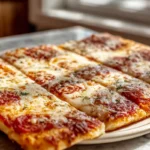
School Cafeteria Pizza with a soft, bready crust and classic flavor. This easy recipe uses a pourable batter and freezes perfectly for busy nights.
- Prep Time: 35 minutes
- Cook Time: 20 minutes
- Total Time: 55 minutes
- Yield: 8 servings 1x
- Category: Main Dish
- Method: Baking
- Cuisine: American
Ingredients
- 1 Tbsp Crisco shortening
- 1½ Tbsp cornmeal
- 1 packet active dry yeast
- 1⅔ cups warm water
- 2½ cups all-purpose flour
- ¾ cup non-fat dry milk powder
- 2 Tbsp sugar
- ¼ tsp salt
- 1½ tsp oil
- 1⅓ cups pizza sauce
- 2 cups shredded mozzarella cheese
- Pizza toppings of choice
Instructions
- Preheat oven and prepare a greased half sheet pan.
- Mix yeast with warm water until foamy.
- Add dry ingredients and oil and mix into a pourable batter.
- Spread batter in pan and let rest briefly.
- Bake crust until set but pale.
- Top with sauce, cheese, and toppings.
- Bake again until cheese is melted and lightly browned.
Notes
- Slice before freezing for best results.
- Reheat in oven or air fryer for best texture.
Nutrition
- Serving Size: 1 slice
- Calories: 320
- Sugar: 6g
- Sodium: 680mg
- Fat: 11g
- Saturated Fat: 5g
- Unsaturated Fat: 5g
- Trans Fat: 0g
- Carbohydrates: 41g
- Fiber: 2g
- Protein: 14g
- Cholesterol: 25mg