
How to Make Yaki Onigiri (Japanese Grilled Rice Balls)

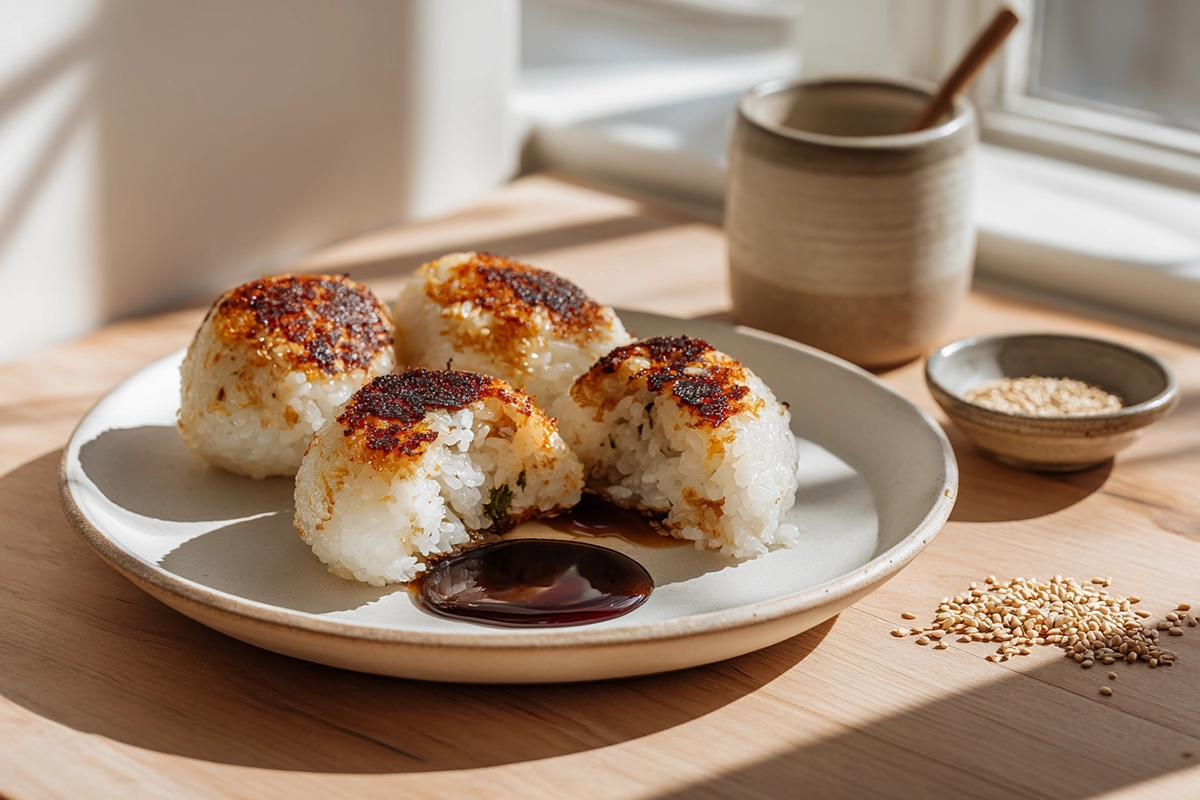
There’s something deeply comforting about simple food done right — the kind that hits you with both nostalgia and new discovery. The first time you bite into a Yaki Onigiri, you’ll understand what I mean. It’s warm, crispy, and smoky on the outside, yet soft and tender within — almost like a perfectly toasted marshmallow, but made of rice. Whether you’ve tried it from a Japanese izakaya or are making it at home for the first time, this humble grilled rice ball has a way of turning simplicity into magic.
The beauty of Yaki Onigiri lies in its contrast: plain white rice transformed by the caramelization of soy sauce and miso glaze over gentle heat. It’s a snack, a side dish, and a comfort meal all in one bite — and the good news is, it’s incredibly easy to make in your own kitchen.
What Is Yaki Onigiri?
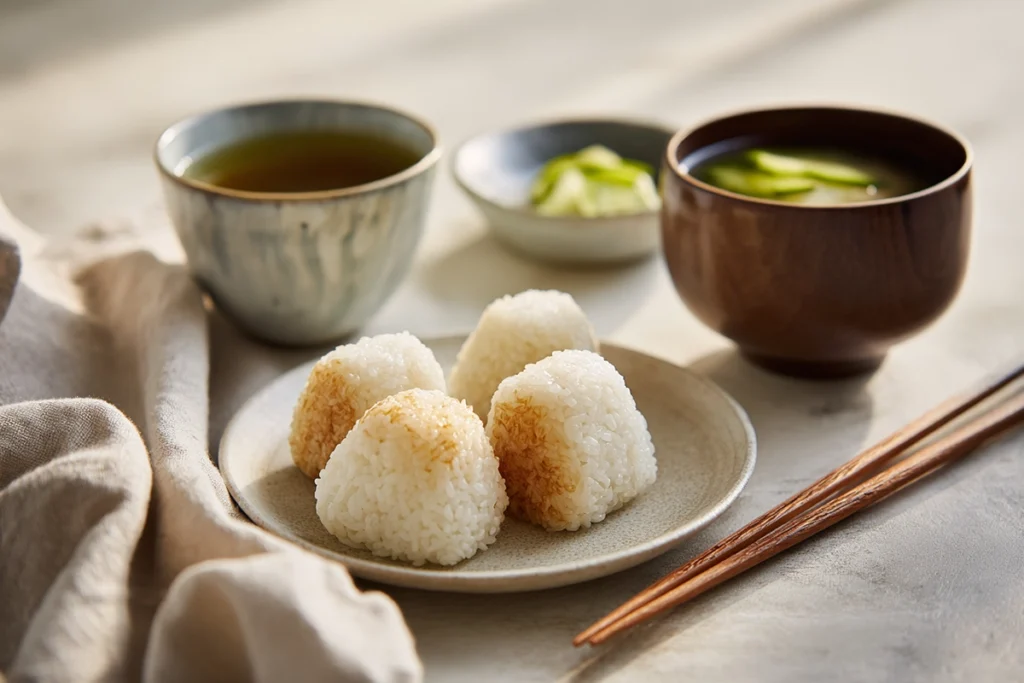
“Yaki” means grilled, and “Onigiri” means rice ball. Together, they form one of Japan’s most beloved comfort foods — Yaki Onigiri, the grilled rice ball that’s crisp on the outside and wonderfully chewy inside. Traditionally, it’s brushed with soy sauce or miso before being cooked over a charcoal grill, where it develops its signature golden crust and irresistible aroma.
You’ll often find Yaki Onigiri in Japanese homes, convenience stores, and izakayas. It’s typically served plain, without fillings, to highlight the flavor of the rice itself. However, modern versions often sneak in surprises like salmon flakes, spicy tuna, or even melted cheese.
The contrast of textures and flavors makes this dish special — it’s slightly smoky, deeply savory, and has just enough sweetness from the glaze to keep you coming back for more.
Ingredients & Tools You’ll Need
Making Yaki Onigiri doesn’t require fancy ingredients, but attention to detail makes all the difference.
Ingredients:
- 2 cups cooked Japanese short-grain rice (fresh, warm, and sticky)
- 1 tablespoon soy sauce
- 1 teaspoon mirin (optional, adds mild sweetness)
- ½ teaspoon sugar
- ½ teaspoon sesame oil (for richness)
- 1 teaspoon miso paste (optional for variation)
- Butter or neutral oil (for brushing the pan)

Optional Fillings:
- Cooked salmon flakes
- Tuna mixed with mayo
- Pickled plum (umeboshi)
- Seasoned miso paste
Tools:
- Nonstick skillet or cast-iron pan
- Small bowl and brush for glaze
- Onigiri mold (optional but helpful)
- Rice paddle or damp hands for shaping
Step-by-Step Instructions
Cook and Cool the Rice
Start with freshly steamed Japanese short-grain rice — its natural stickiness helps it hold together. Let it cool slightly so it’s warm but not hot; this keeps your hands comfortable when shaping.
Shape the Rice Balls
With damp hands (to prevent sticking), take about ½ cup of rice and form it into a triangle or round shape. Press gently but firmly — too loose and it’ll fall apart, too tight and it’ll lose its soft texture. If you’re using a mold, press the rice evenly inside and release it carefully.
Prepare the Glaze
In a small bowl, mix soy sauce, mirin, sugar, and a drop of sesame oil. You can also whisk in miso paste for a bolder umami flavor. The glaze should be slightly thick but spreadable.
Grill or Pan-Fry the Onigiri
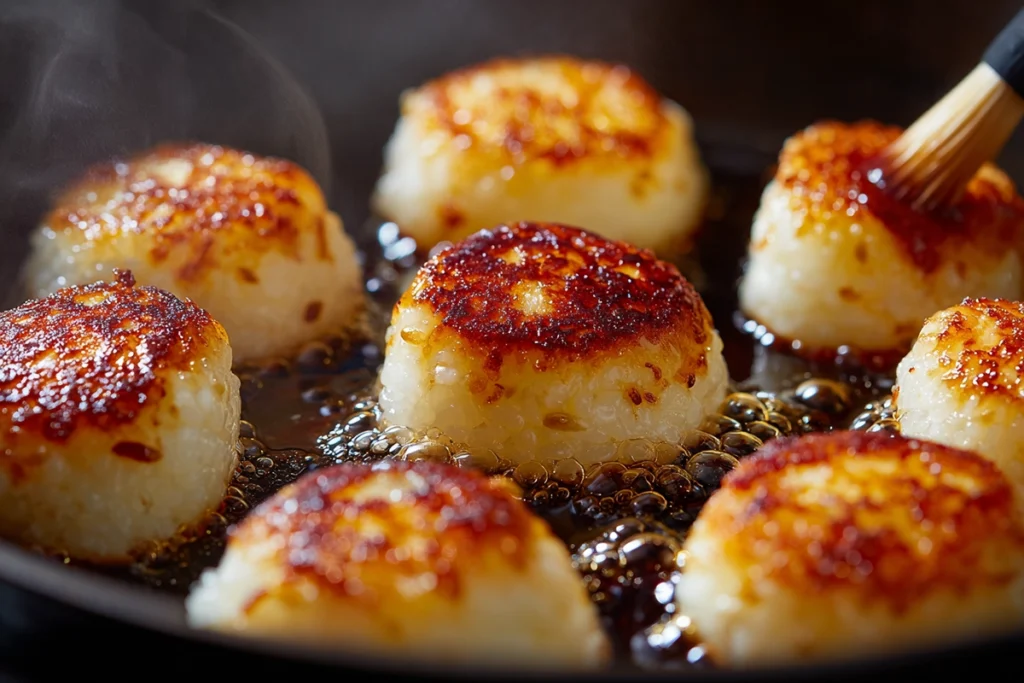
Heat your nonstick pan over medium heat and brush it with a bit of oil or butter. Place the rice balls in the pan and let them sear undisturbed for about 2–3 minutes per side until golden brown. Then, brush with glaze and flip, allowing the sauce to caramelize lightly. Repeat until all sides are evenly crisp.
You’ll know it’s ready when you smell that irresistible toasty aroma and the surface feels firm but not hard.
Serve Warm
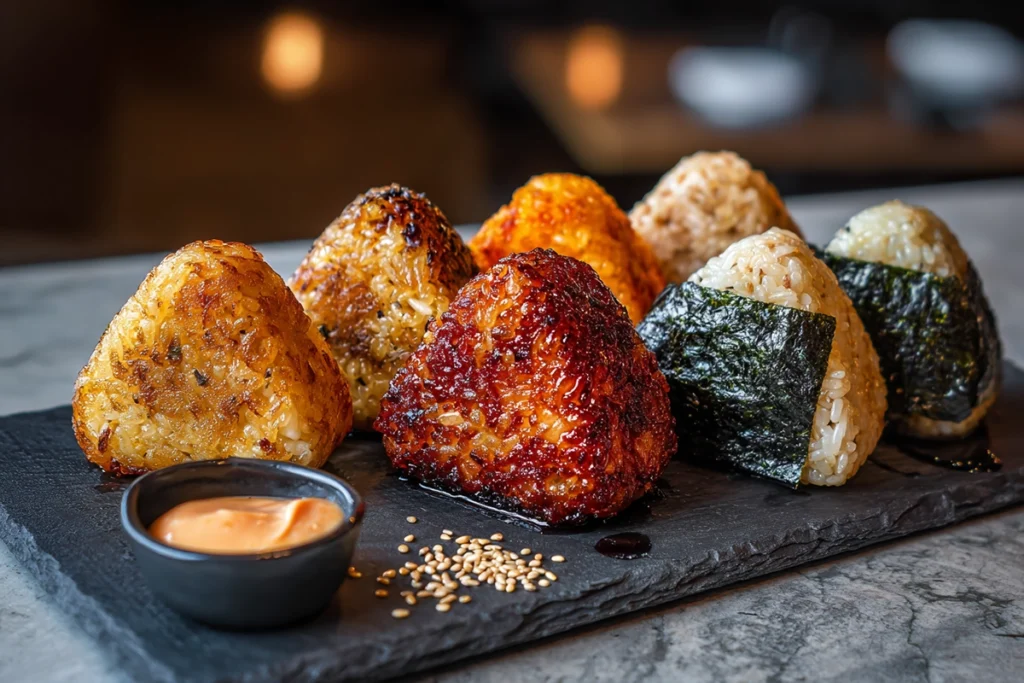
Enjoy your Yaki Onigiri plain or wrapped with a small strip of nori (seaweed). It’s best served immediately while the crust is crisp and fragrant.
Dietary Variations & Substitutions
Vegan or Plant-Based
Use a miso-based glaze without butter or mirin. Sesame oil or vegan butter adds richness while keeping the recipe entirely plant-friendly.
Gluten-Free
Replace soy sauce with tamari or coconut aminos. Check your miso paste label — some contain barley, which is not gluten-free.
Low-Calorie
Brush lightly with sauce instead of soaking, and skip any butter or oil. You can also grill without glaze for a lighter version and serve it with a dipping sauce on the side.
Halal or Kosher
Substitute mirin with a mixture of rice vinegar and sugar, and use certified sauces to keep it compliant with your dietary needs.
These adaptations ensure you can still enjoy the authentic taste of Yaki Onigiri without compromising your diet.
Flavor Variations & Creative Twists
Once you master the classic recipe, the fun really begins.
Miso Butter Yaki Onigiri: Mix miso paste and butter together for a creamy, umami-packed glaze that caramelizes beautifully on the pan.
Spicy Tuna Yaki Onigiri: Add a spoonful of spicy tuna inside each rice ball for a modern Japanese-American fusion version.
Cheesy Onigiri: Tuck a small cube of mozzarella or cheddar in the center for a melty surprise.
Garlic Soy Version: Infuse your glaze with a hint of garlic for a bold, aromatic flavor that pairs perfectly with miso soup or stir-fried veggies.
Seaweed-Crusted Onigiri: Press crushed nori or furikake on one side before grilling for extra texture and a hint of ocean flavor.
Serving Suggestions & Pairings
Yaki Onigiri makes a versatile addition to your table. Pair it with a bowl of miso soup, a light cucumber salad, or Japanese pickles for a complete meal. It also works beautifully as a side dish for grilled fish, teriyaki chicken, or vegetable stir-fry.
If you’re packing lunch, wrap each rice ball in parchment paper or cling wrap, and reheat lightly in a skillet before eating to bring back the crunch. For a cozy night in, serve them straight off the pan with a drizzle of soy sauce and a sprinkle of sesame seeds.
Storage & Reheating
While Yaki Onigiri tastes best fresh, you can store leftovers. Once cooled, wrap them tightly in plastic wrap and refrigerate for up to 2 days. To freeze, place individually wrapped onigiri in an airtight container for up to a month.
When reheating, avoid the microwave if possible — it softens the crust. Instead, warm them in a skillet or toaster oven until the outside crisps up again. A light brush of sauce during reheating helps restore the flavor and sheen.
The charm of Yaki Onigiri lies in its simplicity — a few ingredients, a bit of patience, and you’re rewarded with something truly satisfying. Whether you’re cooking for family, prepping for the week, or exploring Japanese comfort food, this grilled rice ball offers a beautiful balance of taste, texture, and tradition in every bite.
FAQ
Can I use regular long-grain rice for Yaki Onigiri?
It’s best to stick with Japanese short-grain rice since it’s naturally sticky and holds its shape when grilled. Long-grain rice tends to fall apart because it lacks the necessary starch to keep the rice ball firm.
What’s the difference between Onigiri and Yaki Onigiri?
Regular onigiri is usually served plain or with fillings and isn’t cooked after shaping. Yaki Onigiri, on the other hand, is grilled until the surface turns golden brown and crisp, often brushed with soy sauce or miso for extra flavor.
Can you freeze Yaki Onigiri?
Yes, you can. Let the rice balls cool completely, wrap them tightly in plastic wrap, and store them in a freezer-safe bag. Reheat by pan-frying or baking to bring back that signature crispy crust.
Why does my Yaki Onigiri fall apart when cooking?
This usually happens if the rice is too hot or not compacted firmly enough. Let the rice cool slightly before shaping and press gently but consistently so it holds together while grilling.
Is Yaki Onigiri healthy?
Yaki Onigiri can be part of a healthy meal, especially when made with minimal oil and a light glaze. It’s naturally low in fat, and you can make it even lighter by grilling instead of frying and pairing it with vegetables or miso soup
Print
Yaki Onigiri
- Prep Time: 15 minutes
- Cook Time: 10 minutes
- Total Time: 25 minutes
- Yield: 6 servings 1x
- Category: Side Dish / Snack
- Method: Grilling / Pan-Frying
- Cuisine: Japanese
- Diet: Vegan
Description
Yaki Onigiri are Japanese grilled rice balls that combine a crispy, caramelized outer layer with a soft, fluffy center. Glazed with soy sauce or miso and lightly pan-seared, they deliver smoky, savory flavor and a satisfying texture — perfect as a snack, side dish, or light meal.
Ingredients
2 cups cooked Japanese short-grain rice (warm)
1 tablespoon soy sauce
1 teaspoon mirin (optional)
½ teaspoon sugar
½ teaspoon sesame oil
1 teaspoon miso paste (optional)
Butter or neutral oil (for brushing the pan)
Optional fillings: salmon flakes, tuna mayo, pickled plum (umeboshi), seasoned miso paste
Instructions
-
Cook Japanese short-grain rice and let it cool slightly until warm.
-
With damp hands, form the rice into triangles or rounds, pressing gently but firmly.
-
Mix soy sauce, mirin, sugar, sesame oil, and miso paste (if using) into a glaze.
-
Heat a nonstick or cast-iron pan over medium heat; brush lightly with oil or butter.
-
Grill rice balls for 2–3 minutes per side until golden brown.
-
Brush with glaze and continue cooking, flipping occasionally until crisp and caramelized.
-
Serve warm, plain or wrapped with a strip of nori, and enjoy immediately.
Notes
-
Use short-grain rice only; long-grain rice will not hold its shape.
-
For a vegan version, replace butter with sesame oil.
-
To prevent sticking, wet your hands before shaping the rice.
-
Reheat leftovers in a skillet or toaster oven to restore crispiness.
-
Add fillings or toppings like miso butter, spicy tuna, or seaweed for variety