
The Homemade Baguette That Finally Worked

The Smell That Makes You Hover Near the Oven
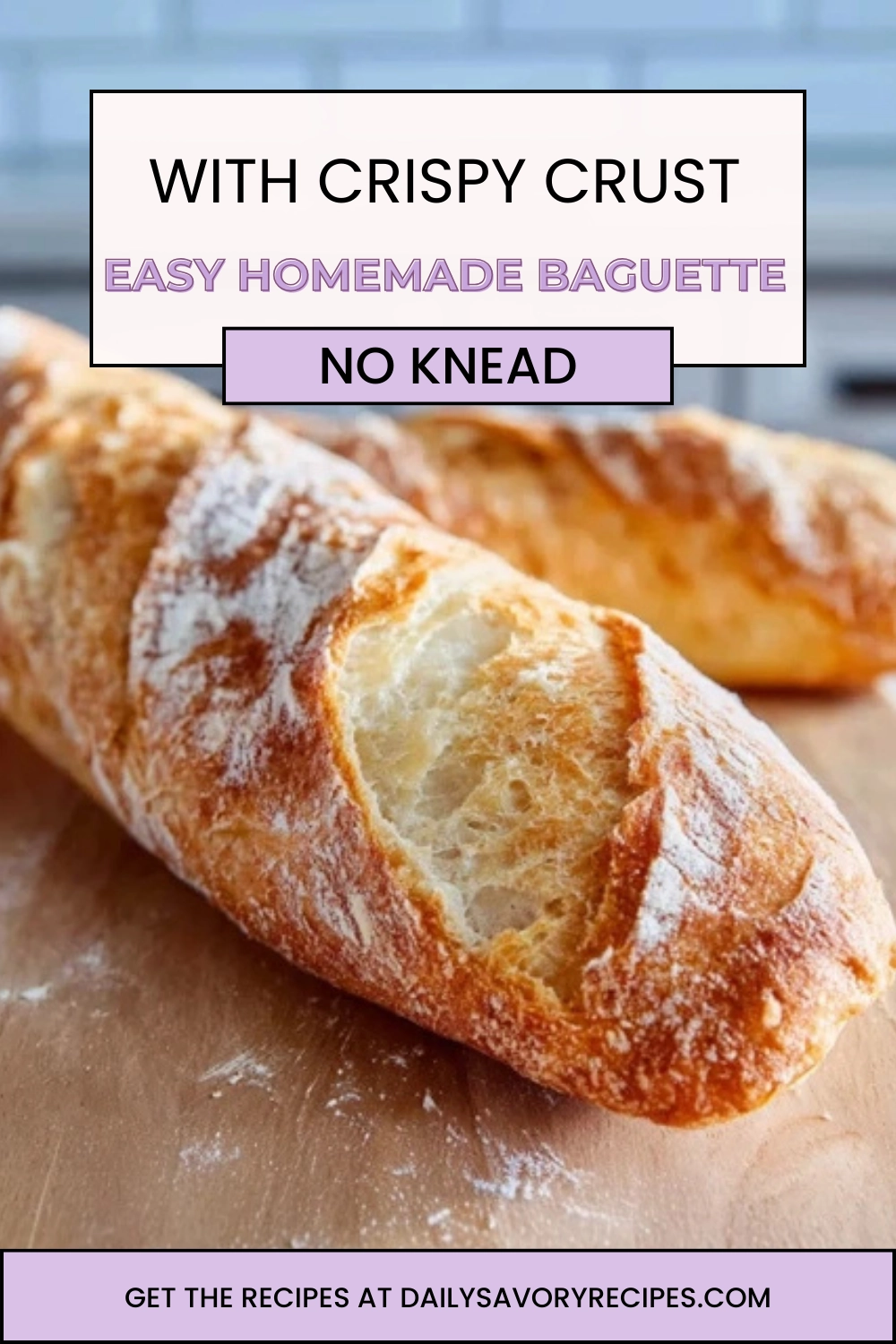
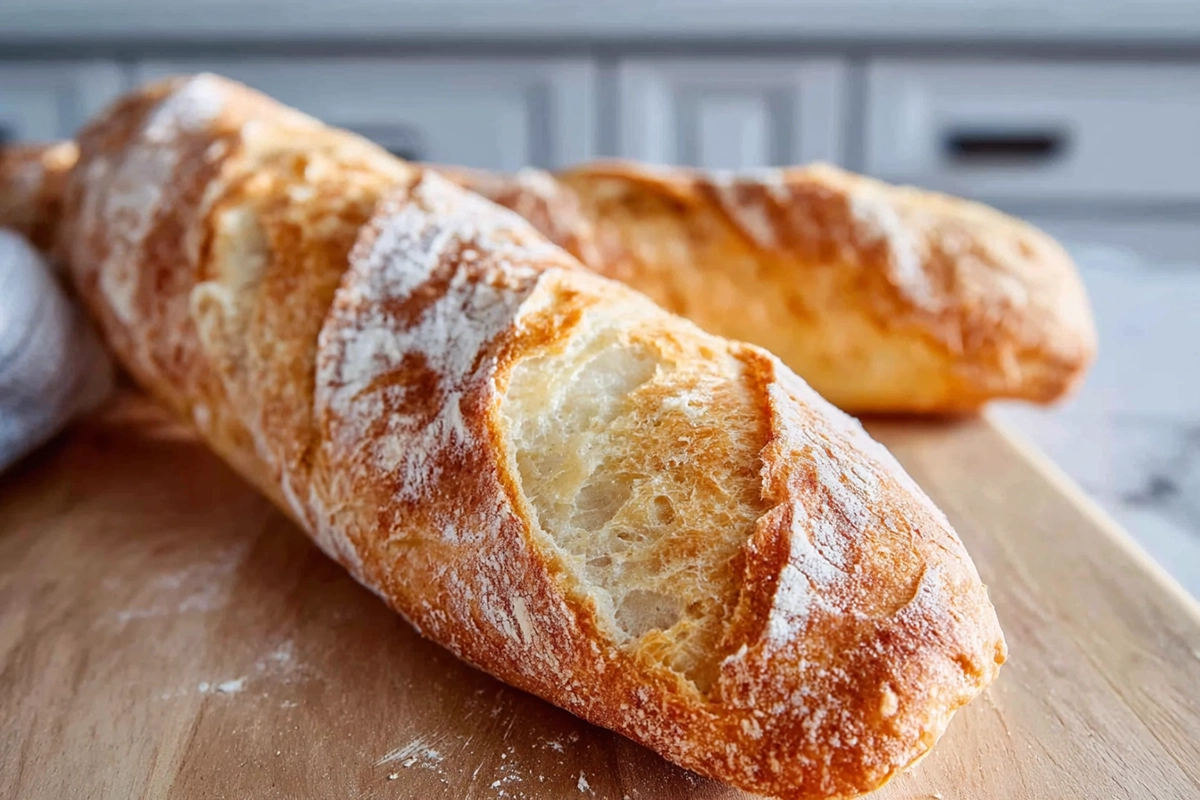
The first time a Homemade Baguette really works, you don’t need to ask if it’s done—you hear it. That quiet crackle as the crust cools, the smell of toasted wheat and yeast hanging in the kitchen, the urge to tear into it before it’s even fully set. That’s the moment most of us are chasing, whether we admit it or not. Not “Instagram bread.” Real bread that feels alive when you pull it from the oven.
Most baguette recipes online skip over the hard truths. They promise “bakery results in two hours” or pretend shaping doesn’t matter, or worse, blame you when the bread comes out pale, flat, or tight-crumbed. I’ve made those versions. I’ve eaten them anyway. They’re fine—but they’re not baguettes in the way people actually mean it.
Here’s my promise: this method doesn’t rely on tricks, additives, or blind luck. It leans on time, simple ingredients, and a few techniques that actually pull their weight. You won’t get perfection on your first go—and that’s normal—but you will get flavor, chew, and a crust that knows what it’s doing. This is a practical approach for home kitchens, not a bakery fantasy. If you stick with it, each loaf gets better, and that’s the whole point.
Table of Contents
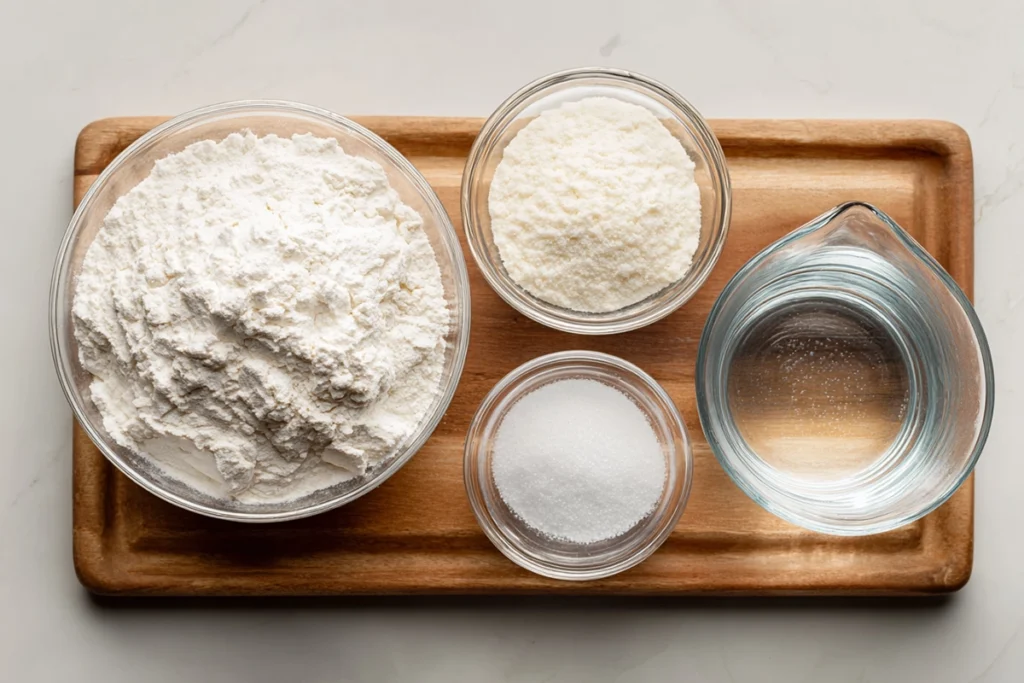
The No-Regret Ingredients
Water
Water seems boring until it isn’t. Cool water in the poolish slows things down just enough to build flavor, while lukewarm water in the final dough wakes everything back up. If your tap water tastes off, filter it—bread magnifies small problems.
Yeast
You don’t need fancy yeast, but you do need fresh yeast. Active dry or instant both work here; I use whichever is already open in my fridge. If it’s been sitting in a warm cabinet for a year, this is not the recipe to test its loyalty.
All-Purpose Flour
This is where consistency matters. I stick with King Arthur Unbleached All-Purpose because it behaves the same every time, which matters when hydration is high. Cheap flour can work, but protein levels vary—and baguettes don’t forgive guesswork.
Salt
Plain table salt is fine, even preferred. What matters is that it dissolves evenly and seasons the dough without drawing attention to itself. Save the flaky stuff for finishing, not fermenting.
Poolish (Yes, It Counts as an Ingredient)
The poolish isn’t optional—it’s the backbone. Flour, water, and a pinch of yeast transform overnight into something nutty, bubbly, and alive. Skip it, and you’re baking long bread, not a real baguette.
The Process (How This Turns Into Real Bread)
Why This Is a Weekend Bread (and Not a Tuesday Night One)
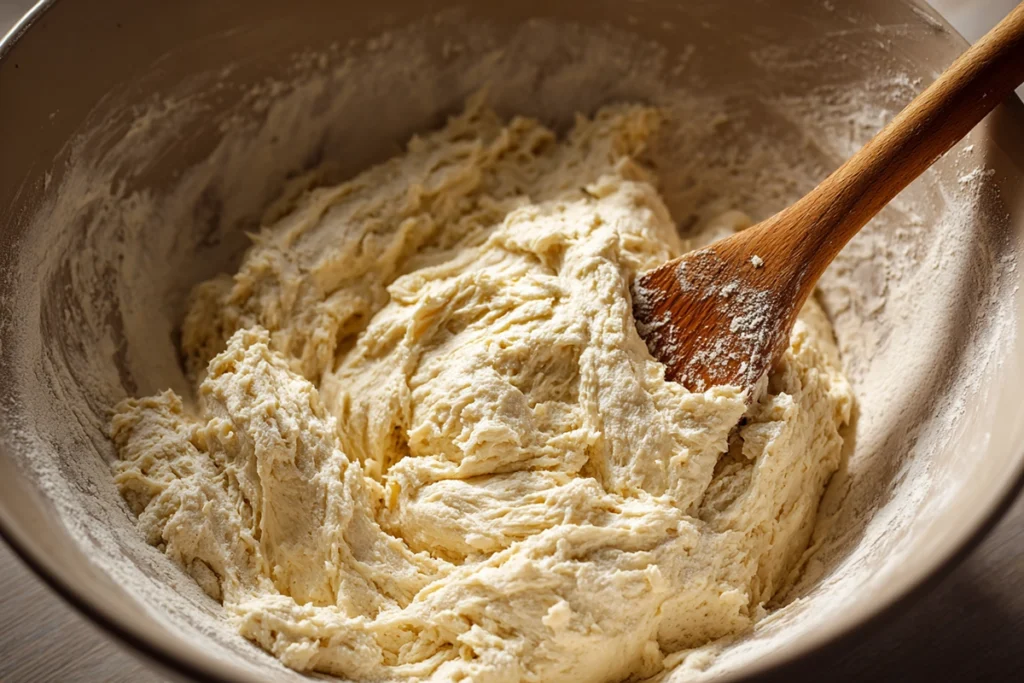
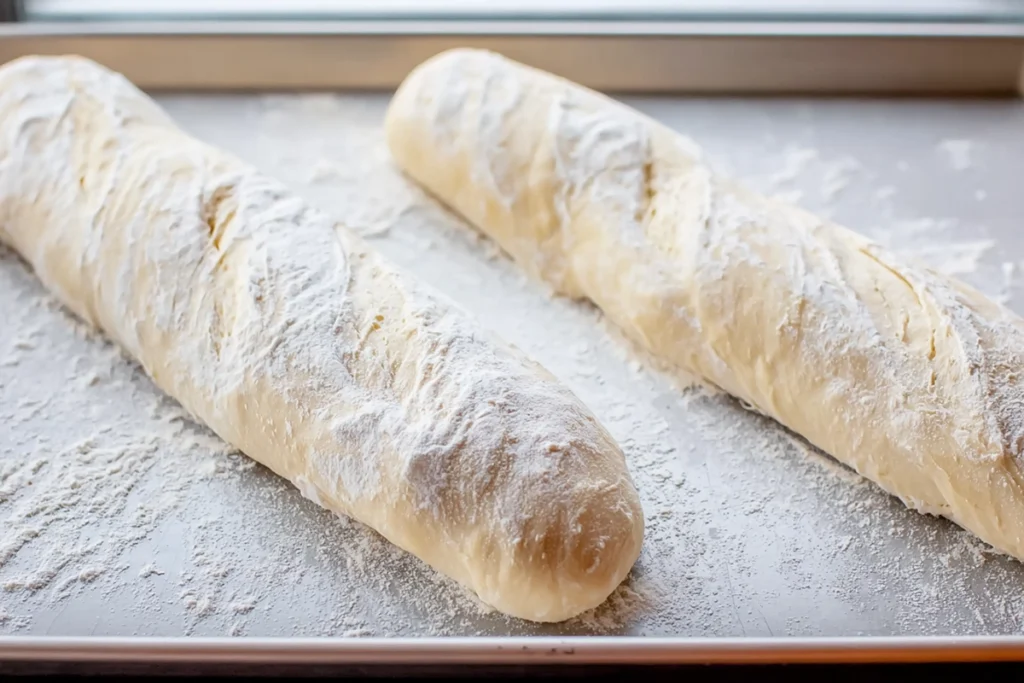
This dough doesn’t want to be rushed, and you’ll feel that right away. After the poolish has done its overnight work, the final dough comes together soft and a little unruly—tacky like a Post-it note when you press it, not slick or soupy. Visually, it won’t look smooth at first, and that’s fine. What matters is the smell: lightly sweet, yeasty, and clean, not sharp or sour. This is time doing flavor work you can’t fake.
As it rests, the dough relaxes and tightens in cycles. You’ll see it puff, then settle, then puff again, and when you nudge it with a finger it should slowly spring back instead of snapping shut. That slow response tells you the gluten is organizing itself without brute force. If you rush ahead before it gets there, the baguettes will let you know later—usually by spreading sideways instead of rising.
Getting a Crust That Actually Shatters
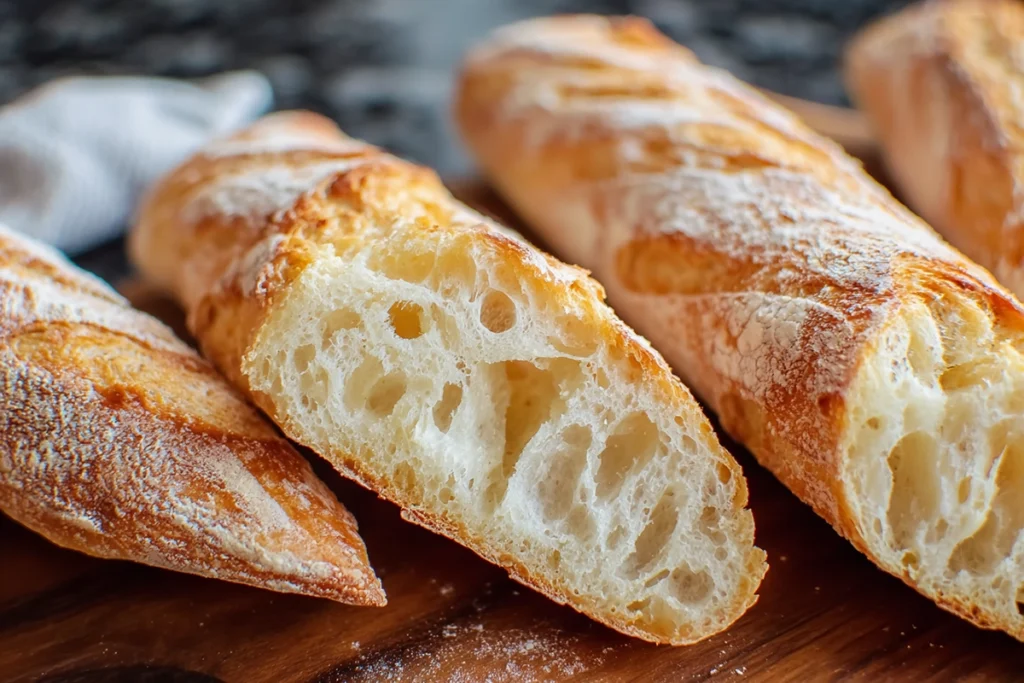
A good baguette announces itself. When the shaped loaves hit a properly hot oven, you should hear a faint sizzle from the moisture meeting heat. That early steam is what keeps the surface flexible long enough for the bread to expand before it sets. Visually, the crust should go from pale to lightly blond, then deepen into a rich golden brown with tiny blisters.
Your nose is the best timer here. When the kitchen smells like toasted wheat—not raw flour, not burnt—you’re close. If you pull them early because you’re nervous, the crust will go soft and leathery as it cools. Let them take color. A baguette without color is a missed opportunity.
The Dough Should Feel a Little Wrong at First
This dough is intentionally sticky, and that makes people panic. When you handle it, it should cling slightly to your fingers but release without strings, more tacky than wet. If it feels like glue, it needs time, not flour. Look for the surface to become smoother after resting, with small bubbles just under the skin.
Sound matters here too. When you gently press air out, it should sigh, not slap. That quiet release tells you there’s gas worth protecting. Treat it gently from this point on—every rough move costs you holes later.
The Uh-Oh Moments (Where People Usually Mess This Up)
Why Is My Dough So Sticky?
Mine was too, the first few times. I kept dusting it with flour until it behaved, and the bread paid the price. If the dough sticks but still stretches and releases, that’s correct. If it smears and tears, give it rest time and trust the flour you already added.
My Baguettes Spread Instead of Rising
This usually comes down to handling. I used to press too hard during shaping, and the dough went flat and tired. Look for the dough to hold a loose shape on the counter, not puddle. If it won’t, it wasn’t ready—or it was overworked.
The Crust Is Pale and Soft
My oven runs cool, and the first batch taught me that the hard way. A pale baguette smells dull and cools quietly instead of crackling. Get an oven thermometer and don’t rely on the dial. Heat and steam are non-negotiable here.
The Crumb Is Tight With No Holes
This is the most common complaint, and it’s usually self-inflicted. Too much flour during shaping, too much degassing, or baking before the dough fully relaxes will do it. When you cut into a finished baguette, you want irregular holes and a creamy interior. If it looks like sandwich bread, something got rushed.
Take your time. The bread remembers everything you do to it.
Make It Your Own
Sourdough-Leaning Baguettes
If you have a healthy sourdough starter hanging around, you can replace the yeast in the poolish with a tablespoon or two of it—fed or unfed both work. The dough will smell slightly tangier during fermentation, and the crumb tightens just a bit, but the flavor gets deeper and more complex. Don’t expect full San Francisco sourness here; think subtle, wheaty, and more interesting than straight yeast.
Partial Whole Wheat (The Sensible Way)
I’ve tested pushing whole wheat too far, and it always costs you openness. Swapping in about 20% whole wheat flour gives you a nuttier smell and darker crust without turning the crumb heavy. Go higher than that and the baguettes lose their lightness unless you’re ready to adjust hydration and bake times.
Demi-Baguettes for Small Ovens
If your oven or baking steel feels cramped, dividing the dough into smaller pieces works beautifully. Shorter loaves bake more evenly, brown faster, and are easier to handle without deflating. The crust-to-crumb ratio actually improves, which makes these ideal for sandwiches.
Gluten-Free Reality Check
I’ve tested gluten-free flour blends so you don’t have to guess. They bake up denser and benefit from being sliced and toasted twice to get a real crunch. Call them baguette-style, not baguettes—and they’re still worth eating warm.
Serving & Storing
I eat these warm with salted butter and nothing else the first time. The crust crackles, the crumb steams, and that’s the point. After that, they’re perfect torn alongside soup, split for sandwiches, or reheated to revive the crust before dinner.
Do not put baguettes in the fridge. Bread stales faster in cold temperatures, and the crumb turns sad and tight. If you’re freezing them, slice first—future you will thank you. Wrap tightly, freeze, and reheat straight from frozen in a hot oven or air fryer for a couple of minutes until the crust sings again.
One Last Thing
A good Homemade Baguette isn’t about perfection—it’s about paying attention. When you hear that crust crackle and smell toasted wheat in your kitchen, you’ll know it was worth the wait.
Get inspired with more mouthwatering recipes! Follow me on Pinterest for new cooking ideas every week.
Frequently Asked Questions
Why didn’t my baguette get big holes?
Because something knocked the air out of it. Most often, it’s too much flour during shaping or pressing too hard when handling the dough. This dough needs to stay gassy—treat it gently once fermentation is underway.
Can I skip the poolish if I’m short on time?
You can, but you’ll taste the difference. Skipping the poolish gives you bread that looks like a baguette but eats more like a plain white loaf. The poolish is where most of the flavor and structure come from.
Do I really need a kitchen scale for this?
I strongly recommend it. Baguette dough is sensitive to hydration, and measuring flour by cups can throw things off fast. A scale removes guesswork and makes the recipe repeatable.
Why did my baguettes spread instead of rising?
Either the dough wasn’t strong enough yet, or it was over-handled. If the dough puddles on the counter, it needs more rest. If it feels tight and lifeless, it has worked too hard.
Can I bake baguettes on a regular sheet pan?
Yes. A baking steel or stone helps, but it’s not required. What is required is a fully preheated oven and a way to introduce steam during the first part of the bake.
How hot is too hot for baking baguettes?
For most home ovens, too hot means burnt bottoms before the crumb sets. Aim for very hot—but stable—and always preheat longer than you think you need. Pale bread usually means the oven wasn’t ready.
Is the dough supposed to be this sticky?
Yes. It should feel tacky, not wet. If it sticks slightly but releases cleanly, you’re right on track. Adding extra flour at this stage is the fastest way to ruin the crumb.
PrintHomemade Baguette

Learn how to make a homemade baguette with crisp crust, airy crumb, and real flavor using simple ingredients and a reliable, no-nonsense method.
- Prep Time: 20 minutes
- Cook Time: 30 minutes
- Total Time: 19 hours 50 minutes
- Yield: 3 baguettes 1x
- Category: Appetizer
- Method: Baking
- Cuisine: French
- Diet: Vegetarian
Ingredients
- 1/2 cup water
- 1/16 teaspoon yeast
- 1 cup all-purpose flour
- 1 cup plus 2 tablespoons water
- 1 1/2 teaspoons yeast
- 3 1/2 cups all-purpose flour
- 2 teaspoons salt
Instructions
- Mix poolish ingredients and rest overnight.
- Combine poolish with remaining dough ingredients.
- Rest and fold dough during bulk fermentation.
- Divide and gently shape dough into baguettes.
- Bake in a hot oven with steam until deep golden.
Notes
- This dough is intentionally sticky.
- Do not rush fermentation.
- Bake until well-colored for best crust.
Nutrition
- Serving Size: 1 baguette
- Calories: 210
- Sugar: 1
- Sodium: 390
- Fat: 1.5
- Saturated Fat: 0.3
- Unsaturated Fat: 1.2
- Trans Fat: 0
- Carbohydrates: 42
- Fiber: 2
- Protein: 7
- Cholesterol: 0