
Gingerbread Latte Cookies That Taste Like a Cozy Café

The first thing you notice isn’t the look — it’s the smell. Warm molasses, ginger, and cinnamon start blooming in the oven, followed by that faint espresso note that feels more like a coffee shop than a cookie tray. It’s the kind of aroma that makes you slow down, pour yourself something warm, and hover near the kitchen until the timer goes off.
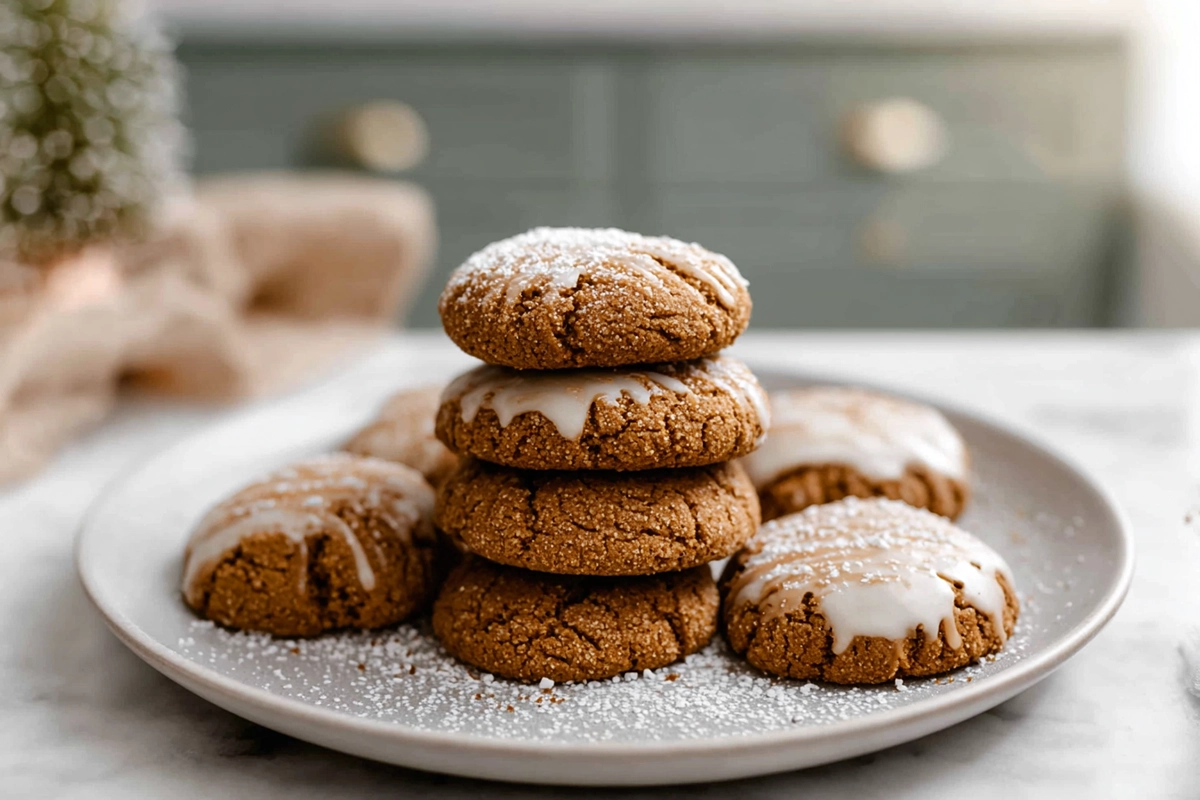
These gingerbread latte cookies were built to capture that exact feeling: soft and chewy in the center, lightly crisp around the edges, and finished with a creamy white chocolate coating that carries just enough espresso to feel intentional — not overpowering. They’re not a spice overload and they’re not coffee-flavored sugar cookies either. The balance matters here, and it shows up in the texture as much as the flavor.
What I like most about this recipe is how deliberate it is. The oats aren’t just “thrown in” for bulk — they’re processed to control chew. The molasses isn’t aggressive, so it supports the spices instead of taking over. And the espresso powder does its job quietly, adding depth without turning the cookie bitter. This is the kind of recipe that feels festive but still dependable, the kind you can bake once for the holidays and then keep coming back to because it works the same way every time.
Table of Contents
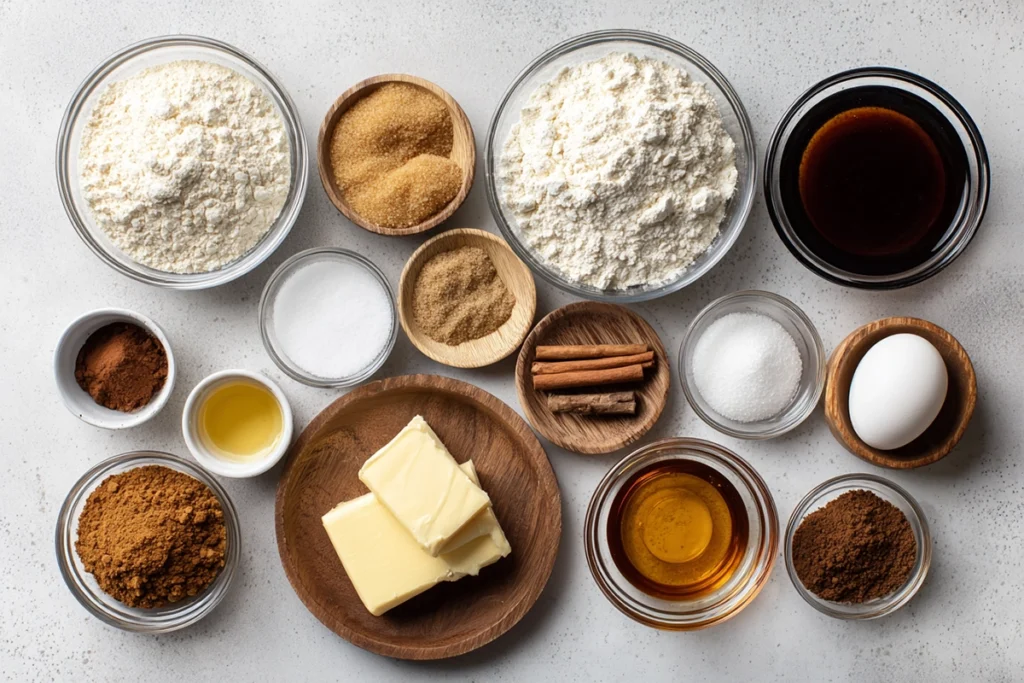
Ingredients That Build the Flavor (and Texture)
Old-Fashioned Rolled Oats
These are the backbone of the cookie’s chew. Pulsing them gives you a mix of fine oat flour and small flakes, which creates structure without making the cookies dry. Don’t replace these with oat flour — you’ll lose the texture that makes these feel substantial.
All-Purpose Flour
Standard all-purpose flour works perfectly here. There’s no need for specialty blends; consistency matters more than protein tweaks in this recipe.
Espresso Powder
This is one ingredient I wouldn’t casually substitute. Espresso powder dissolves cleanly and delivers concentrated flavor without adding moisture. Instant coffee can work in a pinch, but you’ll need more, and the flavor won’t be as rounded.
Baking Soda
This controls spread and keeps the centers soft. Baking powder won’t behave the same way here, so stick with baking soda for predictable results.
Ground Ginger, Cinnamon, Nutmeg, and Cloves
This blend gives warmth without going sharp. The measurements are intentional — pushing the cloves or nutmeg too far can overpower the espresso and molasses.
Unsalted Butter
Room-temperature butter is key for proper creaming. I prefer standard grocery-store butter here; no need for European-style butter since fat content isn’t the limiting factor.
Brown Sugar + Granulated Sugar
Brown sugar brings moisture and chew, while a smaller amount of white sugar helps with spread. Either light or dark brown sugar works, depending on how deep you want the molasses notes.
Molasses (Not Blackstrap)
Use regular unsulphured or dark molasses. Blackstrap is too bitter and will throw off the balance. Grandma’s is a reliable option and easy to find.
White Chocolate
Use real white chocolate bars, not morsels. Chips are formulated to hold shape, which makes them frustrating to melt smoothly. Brands like Ghirardelli or Guittard melt cleaner and taste better.
Vegetable or Coconut Oil (Optional)
A small amount helps thin the melted white chocolate so it coats cleanly instead of clumping.
Cinnamon & Nutmeg (For Finishing)
Just a pinch on top of the chocolate adds aroma and reinforces the latte vibe without adding sweetness.
How These Cookies Get That Café-Style Texture
Building the Dough Without Overworking It
This recipe starts quietly, but what you’re really doing here is setting up texture. When the oats are pulsed, you’re looking for a mix that looks uneven—some fine flour, some visible flakes. If it looks like sand, you’ve gone too far. When you rub it between your fingers, it should feel soft but slightly coarse, not powdery. Once the dry ingredients are mixed in, the aroma changes immediately—ginger and cinnamon come forward first, then a faint coffee note that smells more like roasted beans than dessert.
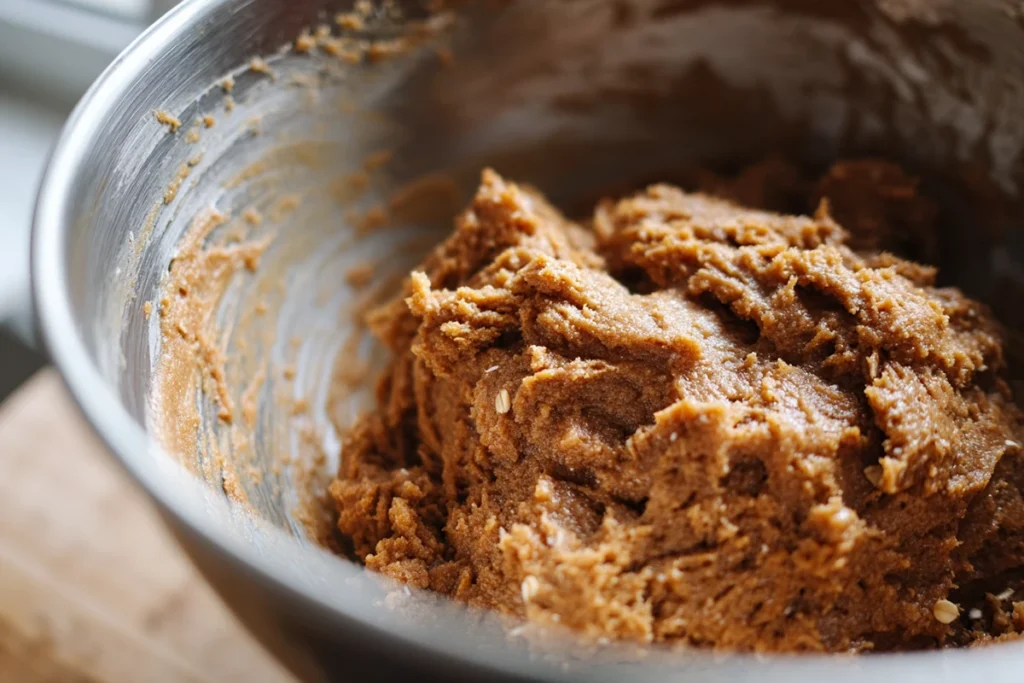
When the wet ingredients are creamed, watch the color. The mixture should turn lighter and look slightly fluffy, not glossy or wet. Touch the dough once it comes together: it should feel thick and tacky, like the back of a Post-it note—not sticky like glue. That thickness is what keeps these cookies from spreading too thin later.
Why the Chill Time Matters More Than It Sounds
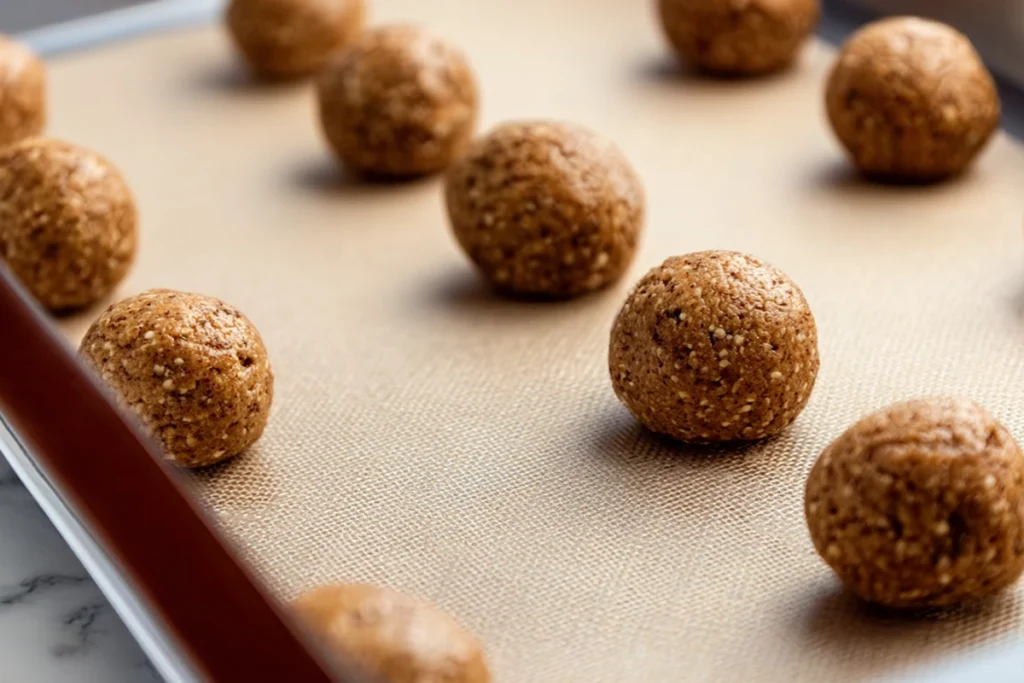
Chilling isn’t optional here, and it’s not about convenience. As the dough rests, the oats absorb moisture and the butter firms up. You’ll feel the difference when you scoop—it should resist slightly, not slump. If you listen closely while scooping, there’s almost a soft tearing sound as the dough releases, not a wet plop. That’s exactly where you want it.
Visually, the chilled dough holds a clean edge when portioned. That’s your cue that the cookies will bake thick and chewy instead of puddling out on the tray.
Baking for Soft Centers, Not “Done” Centers
In the oven, these cookies won’t look finished when they’re actually perfect. Around the edges, you’ll see light browning and small cracks forming. The centers should still look pale and slightly domed. If you touch the edge carefully, it should feel set, while the middle feels soft and yielding.
The smell is your final cue: once the spices bloom and you catch a warm espresso note, they’re ready to come out. If you wait until they look fully baked, they’ll cool dry instead of chewy.
Finishing the Gingerbread Latte Cookies with White Chocolate
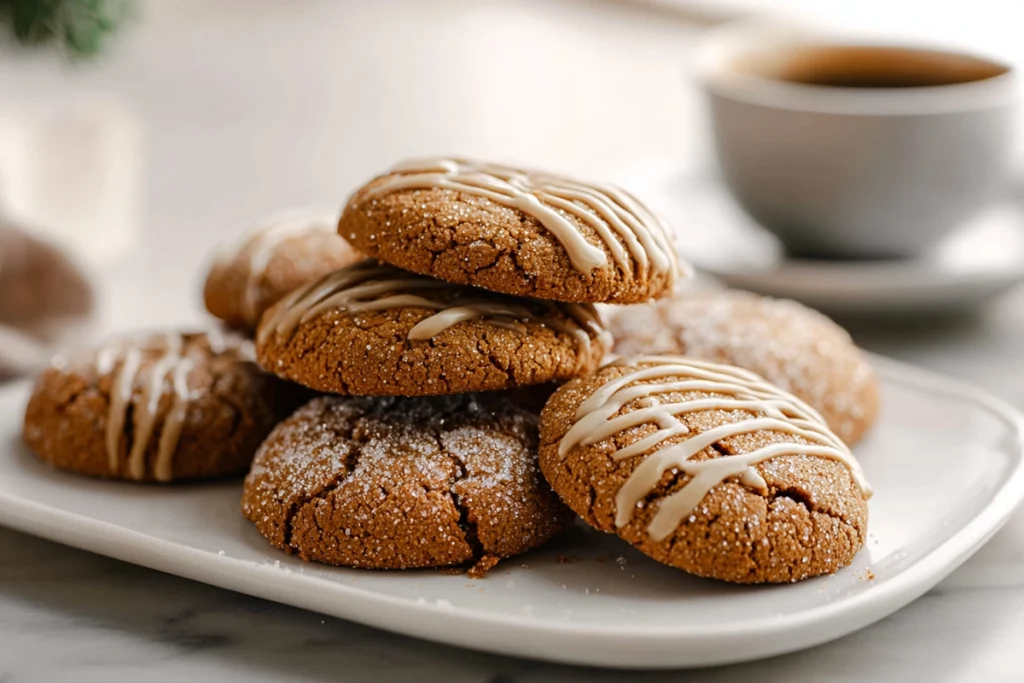
Once cooled, the cookies feel firm underneath but soft when pressed in the center. That’s the moment to dip. The melted white chocolate should pour slowly off a spoon, not drip in clumps. If you listen while stirring, it should be silent and smooth—any crackling or graininess means it’s overheating.
As the chocolate sets, the spice sprinkle adds aroma before you even take a bite. Cinnamon hits first, then nutmeg, and finally the espresso comes through after a second chew. That layered finish is what gives these gingerbread latte cookies their café-style feel.
Where Gingerbread Latte Cookies Usually Go Sideways
Dough That Feels Too Hard to Scoop
If the dough feels rock-solid after chilling, it hasn’t failed—you’ve just gone too cold. Let it sit out until pressing your thumb into it leaves an indentation without cracking. If you try to force it, you’ll hear it snap and crumble, which leads to uneven baking.
Cookies That Spread Too Much
This usually shows up visually before baking. If the dough looks shiny or slumps after scooping, it’s too warm. The butter is softening faster than the oats can hold it. Chill again until the scoops hold their shape and feel cool to the touch.
White Chocolate That Turns Thick or Grainy
You’ll smell it before you see it—a faint scorched sugar scent. That’s a sign the chocolate overheated. Gentle heat and patience matter here. If it thickens, a small amount of oil can bring it back, but once it smells burned, it’s better to stop and start fresh.
Cookies That Taste Flat Instead of “Latte-Like”
This isn’t about adding more spice. It usually means the espresso powder got lost in the mix or was swapped for ground coffee. The flavor should show up subtly in the aroma and finish, not dominate the bite. When it’s right, the coffee note lingers after the sweetness fades.
Make Them Fit Your Café Mood
Dialing the Coffee Up or Down
If you want the espresso to read louder, increase the espresso powder slightly in both the dough and the white chocolate dip—but stop before it smells sharp. You’re aiming for a roasted-coffee aroma, not bitterness. I’ve found that going heavy in the dough and light in the coating keeps the flavor balanced and prevents the cookies from tasting dry.
Skipping the Coffee Without Losing the Gingerbread
If coffee isn’t your thing, leave out the espresso powder entirely and lean into the spices. In that case, add a touch more ginger and cinnamon to keep the flavor full. The cookies still bake up soft and chewy, just with a more classic gingerbread profile instead of a latte finish.
Changing the Finish (Without Ruining the Texture)
If you don’t want to dip the cookies, a thin drizzle of white chocolate works better than skipping it completely. A full coating adds creaminess that balances the molasses; a drizzle gives just enough sweetness without weighing the cookie down. Dark chocolate works, but it shifts the flavor away from “latte” and more toward dessert-forward.
Making Them Gluten-Free (What Actually Changes)
A one-to-one gluten-free baking blend works, but expect a slightly denser cookie. The oats still help, but the centers won’t stay quite as tender. I recommend pulling them from the oven on the early side and letting carryover heat finish the bake to avoid dryness.
Serving & Storing for Best Results
I like these at room temperature, when the centers are soft and the white chocolate has fully set. That’s when the spices read warm instead of sharp, and the espresso note lingers instead of jumping out. If you want them slightly warm, a few seconds in the microwave softens the cookie without melting the coating.
Store the cookies covered at room temperature for a few days. The refrigerator isn’t your friend here—it dulls the spices and firms up the texture. For longer storage, freezing works well. Freeze the cookies in a single layer until solid, then transfer to a sealed container. They thaw quickly at room temperature and keep their chew.
If you’re freezing dough, portion it first. Scooping frozen dough later is a hassle, and baking from frozen is easy—just add a minute and watch the edges, not the clock.
A Cookie That Smells Like the Holidays
These gingerbread latte cookies are the kind you bake once for the season and then keep coming back to because they feel familiar, cozy, and reliable. When the kitchen smells like warm spice and coffee, you know you’ve done it right—and the cookies taste even better than they smell.
Get inspired with more mouthwatering recipes! Follow me on Pinterest for new cooking ideas every week.
Frequently Asked Questions
Can I skip the coffee flavor completely?
Yes. You can leave out the espresso powder and still get a solid gingerbread cookie. The texture stays the same, but the flavor shifts toward classic spiced gingerbread instead of a latte-style finish.
Why do the cookies look underbaked in the center?
That’s intentional. The centers should look pale and soft when they come out of the oven. They finish setting as they cool, which is what keeps them chewy instead of dry.
Can I use quick oats instead of old-fashioned oats?
Yes, but the texture will be slightly less chewy. Quick oats break down faster, so the cookies lose some structure. If you use them, pulse less so they don’t turn into flour.
Why did my white chocolate turn thick or grainy?
It overheated. White chocolate is sensitive and scorches quickly. Melt it slowly and stop as soon as it’s smooth. If it smells toasted or looks clumpy, it’s past saving.
Can I make these ahead for holiday baking week?
Absolutely. The dough can chill for a few days, or you can freeze it portioned. Baked cookies also freeze well and thaw without losing texture.
Do these cookies spread more on dark baking sheets?
Yes. Dark pans run hotter and can cause extra spread and browning. If you’re using them, keep an eye on the edges and pull the cookies a little earlier.
PrintGingerbread Latte Cookies
Soft and chewy gingerbread latte cookies with warm spices, espresso depth, and white chocolate. Cozy, tested, and easy to bake at home.
- Prep Time: 45 minutes
- Cook Time: 13 minutes
- Total Time: 1 hour 30 minutes
- Yield: 30 cookies 1x
- Category: Dessert
- Method: Baking
- Cuisine: American
- Diet: Vegetarian
Ingredients
- 2 cups old-fashioned rolled oats
- 1 2/3 cups all-purpose flour
- 2 teaspoons espresso powder
- 1 teaspoon baking soda
- 1/4 teaspoon salt
- 1 teaspoon ground ginger
- 1 teaspoon ground cinnamon
- 1/4 teaspoon ground nutmeg
- 1/8 teaspoon ground cloves
- 3/4 cup unsalted butter
- 1 cup brown sugar
- 1/4 cup granulated sugar
- 1 large egg
- 1/4 cup molasses
- 8 ounces white chocolate
- 1 teaspoon vegetable oil
- 1/2 teaspoon espresso powder
- pinch cinnamon
- pinch nutmeg
Instructions
- Pulse oats until partially ground.
- Whisk oats, flour, spices, and espresso powder.
- Cream butter and sugars until light.
- Mix in egg and molasses.
- Combine wet and dry ingredients.
- Chill dough until firm.
- Bake until edges set and centers soft.
- Cool completely and dip in melted white chocolate.
Notes
- Use regular molasses, not blackstrap.
- Chill dough to control spread.
- Pull cookies early for soft centers.
- Melt white chocolate gently to avoid scorching.
Nutrition
- Serving Size: 1 cookie
- Calories: 190
- Sugar: 14g
- Sodium: 95mg
- Fat: 9g
- Saturated Fat: 5g
- Unsaturated Fat: 3g
- Trans Fat: 0g
- Carbohydrates: 25g
- Fiber: 2g
- Protein: 3g
- Cholesterol: 30mg