
Homemade Krispy Kremes That Melt in Your Mouth

The First Bite That Takes You Back
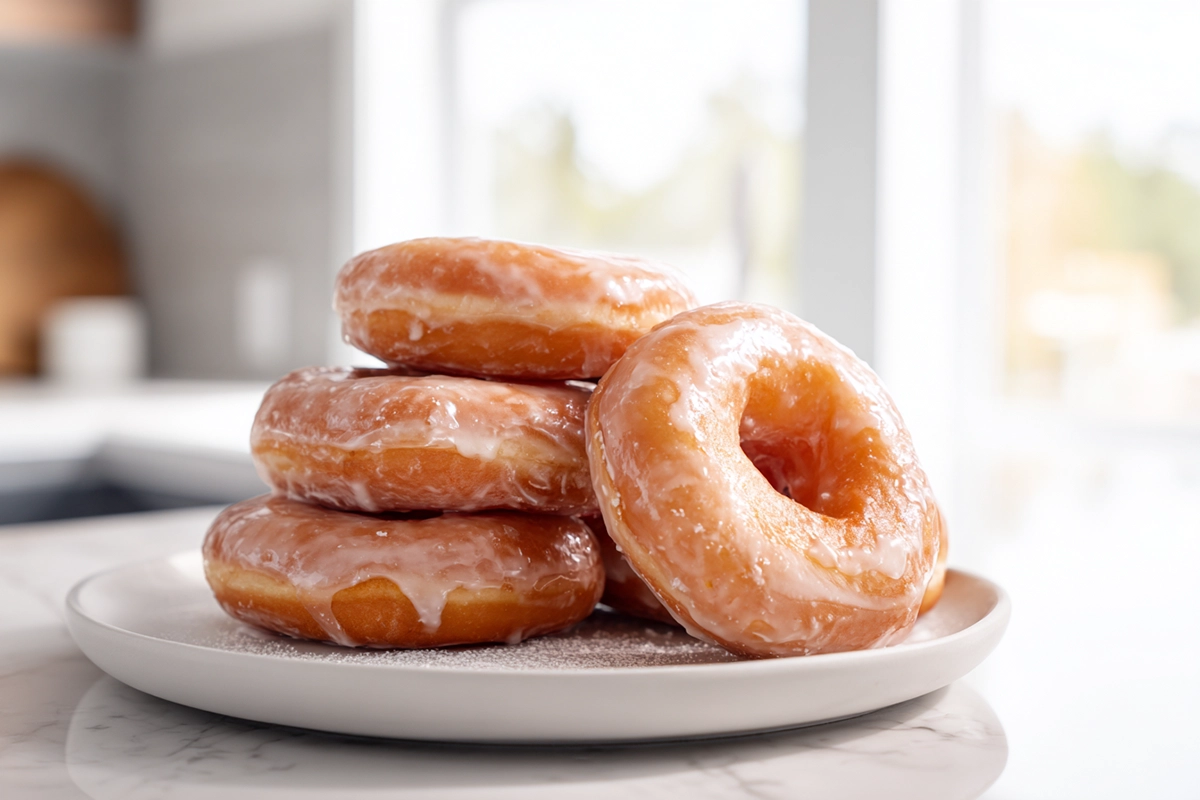
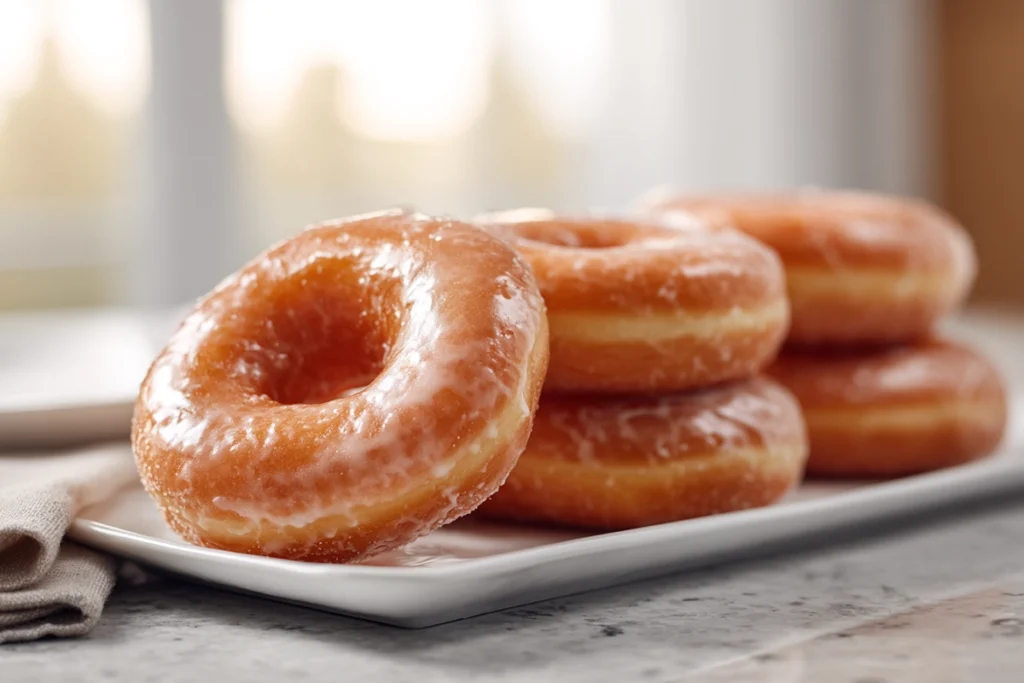
There’s a very specific moment when these donuts are right. The oil is still faintly crackling, the glaze looks almost too thin, and the surface feels soft enough that it barely holds its shape when you lift it. Then the glaze sets — not hard, not sticky — just smooth, glossy, and fragile. That first bite is warm, sweet, and light in a way that’s hard to explain unless you’ve had a fresh Krispy Kreme straight from the line.
That’s the experience this recipe is built around. Not bakery donuts that sit all day. Not dense, cake-like rounds with a thick coating of sugar. These are homemade Krispy Kremes meant to be eaten warm, when the interior is still airy and the glaze melts into the surface instead of sitting on top of it. The goal isn’t novelty — it’s replication.
Most copycat donut recipes fail because they chase flavor before texture. But the real magic of a Krispy Kreme donut isn’t the sweetness; it’s how soft the dough is, how lightly it fries, and how the glaze behaves when it hits heat. That’s where the small details matter — yeast choice, dough softness, milk fat, and even how thin you roll the dough.
This recipe was tested with one goal in mind: produce donuts that feel familiar the second you bite into them. The kind that disappear fast and don’t need toppings or fillings to justify themselves.
Table of Contents
What Goes Into That Signature Soft Dough
Instant Yeast
Instant yeast is non-negotiable here. It gives a fast, predictable rise and creates a lighter crumb without extra proofing steps. Active dry yeast can work, but it introduces more variables — and consistency is the whole point of this recipe.
Warm Water
The water should be warm, not hot — roughly body temperature. Too cool and the yeast wakes up slowly; too hot and you weaken it. This small temperature window directly affects how airy the finished donuts turn out.
Milk
Milk adds softness and flavor that water alone can’t. Whole milk gives the best texture, but low-fat milk still works if that’s what you keep on hand. Avoid non-dairy milks here; they change the structure more than the flavor.
Granulated Sugar
Sugar feeds the yeast and lightly sweetens the dough itself. This isn’t a dessert-level sweetness — most of the sugar impact comes from the glaze — so stick with plain white sugar for clean results.
Eggs
Eggs provide structure without heaviness. They help the dough puff instead of spread when it hits the oil, which is essential for that signature donut shape.
Butter (or Shortening)
Butter adds flavor; shortening adds a slightly lighter crumb. Either works, but butter gives a more familiar homemade taste. Make sure it’s softened so it blends evenly into the dough.
All-Purpose Flour
Standard all-purpose flour is ideal here. Bread flour makes the donuts chewier, which moves them away from the Krispy Kreme texture. Measure carefully — too much flour is the fastest way to end up with dense donuts.
Oil for Frying
Use a neutral oil like canola or vegetable oil. Olive oil or anything strongly flavored will show up in the finished donut, and not in a good way.
Powdered Sugar (for the Glaze)
This is one place where brand doesn’t matter. Store-brand powdered sugar dissolves just as smoothly once mixed with butter and liquid. Save the premium sugar for frosting where texture is more critical.
Vanilla
A small amount goes a long way. Vanilla shouldn’t stand out — it just rounds out the sweetness and gives the glaze that familiar donut-shop aroma.
Milk or Evaporated Milk (for the Glaze)
Evaporated milk makes a richer, slightly thicker glaze, while regular milk keeps it lighter and more fluid. Both work — the choice comes down to how thin you want that final coating.

How Homemade Krispy Kremes Come Together
Building a Soft, Living Dough
This dough starts out loose on purpose. When everything comes together, it should look slightly shaggy and feel tacky — like the back of a Post-it note — not wet like glue and not firm like bread dough. As it mixes, watch the sides of the bowl: the dough should pull away slowly, not snap clean. If you press it with a fingertip, it should spring back lazily, leaving a faint indentation. The smell at this stage is mild and milky, with a hint of yeast — clean, not sharp.
As the dough rests, the change is visual first. It should double in size and look smoother on the surface, almost inflated. When you gently poke it, you shouldn’t hear anything, but you’ll feel trapped air giving way under your finger. If it smells overly sour, it’s gone too far; you want a neutral, slightly sweet aroma.
Rolling Thin Without Killing the Rise
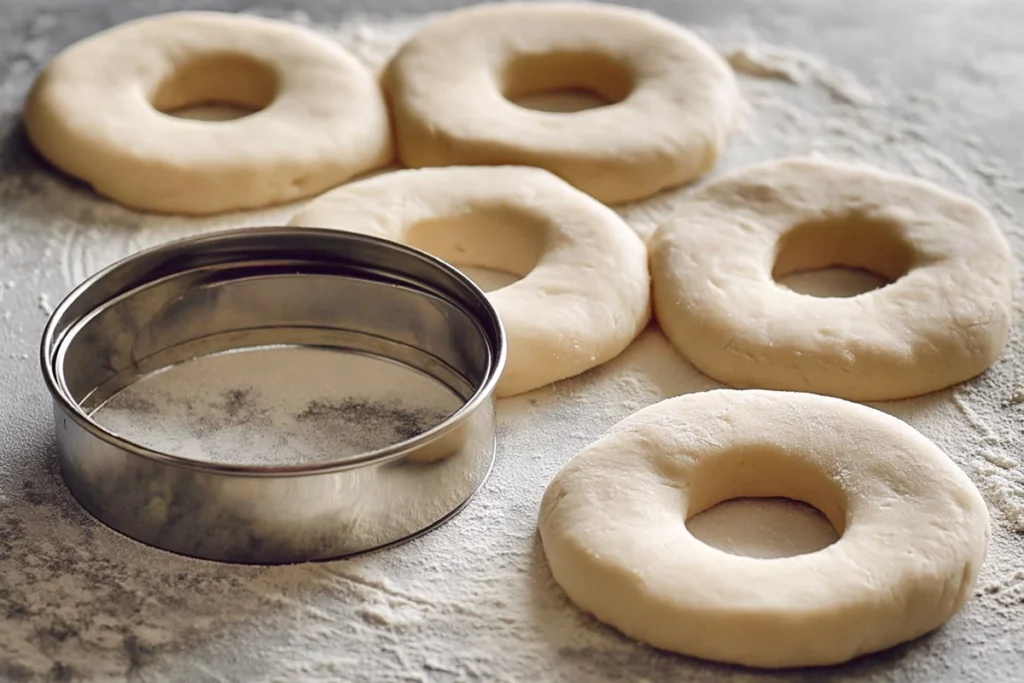
When you roll the dough, you’re aiming for thin but alive. Visually, it should be about a quarter-inch thick, even across the surface, with no translucent patches. The dough should feel cool and elastic under the rolling pin, not resistant. If it snaps back aggressively, it needs a minute to relax. Listen as you work — there’s a faint soft squeak against the counter when the hydration is right.
After cutting, the donuts should look plump even before frying. As they rest, you’ll see the edges soften and round slightly. Touch them gently; they should feel airy, almost fragile, and lift easily without stretching. This short rest is what keeps them from turning dense in the oil.
Frying for Lift, Not Color
The moment a donut hits the oil, you should hear an immediate, confident sizzle — not a violent roar and not silence. Visually, small bubbles should form around the edges and climb the sides. Within seconds, the donut will puff and float. That lift is the payoff for proper proofing.
As they fry, watch the color more than the clock. You’re looking for a light golden brown, not deep amber. The smell should be clean and slightly sweet, never oily. When you flip them, they should feel light in the tongs, almost hollow. Heavy donuts mean the oil wasn’t hot enough or the dough was under-proofed.
Glazing While They’re Still Warm
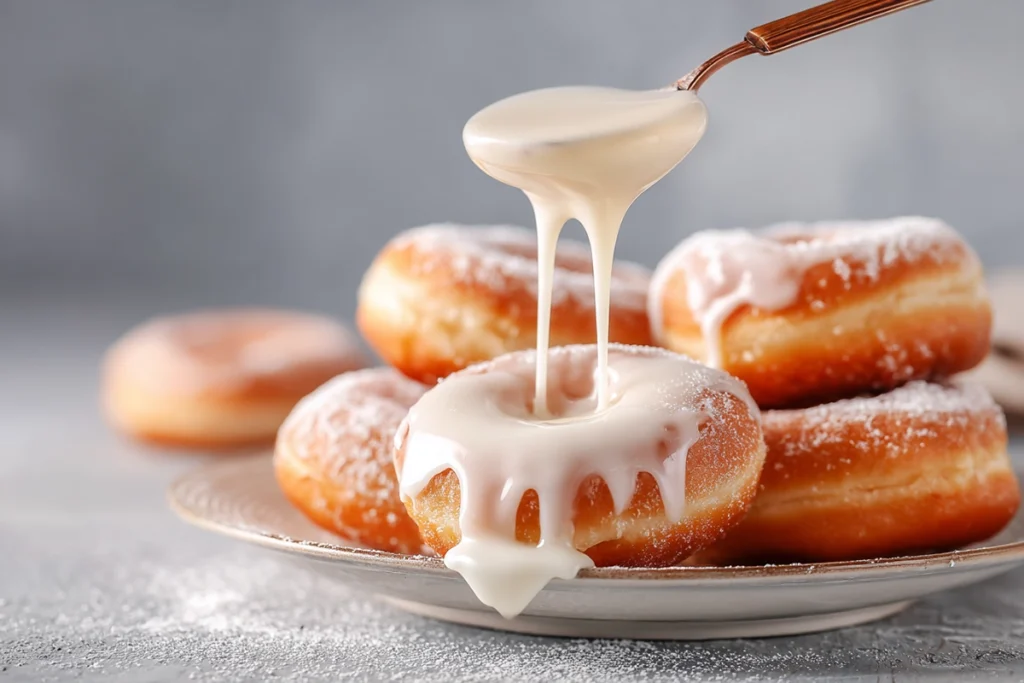
The glaze should be thin enough to run but thick enough to cling. When you dip a warm donut, you’ll see the surface turn glossy immediately. The glaze should drip slowly, not slide off completely. As it sets, it should lose its wet shine and form a delicate, almost invisible shell.
Touch one lightly after a minute — it should feel dry but soft, not crusty. The smell here is subtle vanilla and sugar, not butter-forward. If the glaze hardens too fast or looks chalky, it cooled before it met the donut.
Where Homemade Krispy Kremes Usually Go Wrong
Dough That Feels “Fine” but Fries Dense
This usually starts with too much flour. The dough may feel manageable, but visually it looks tight and matte instead of soft and slightly glossy. When fried, these donuts don’t puff; they brown before they lift. You’ll notice they feel heavy in the oil and sound dull when flipped, with less bubbling around the edges.
Oil Temperature Drifting Between Batches
Even if the first batch fries perfectly, the oil cools fast. When that happens, the donuts take longer to float, absorb oil, and develop a greasy smell instead of a clean fry aroma. Visually, they look pale for too long, then suddenly darken. Keeping the heat steady matters more than timing.
Glaze That Soaks In or Turns Gritty
If the donuts are too hot, the glaze disappears completely. If they’re too cool, it sits thick and dull. The sweet spot is warm to the touch — you should feel heat, but not enough to pull your finger away. When it’s right, the glaze melts into the surface and sets smooth, with no graininess and no visible sugar crystals.
These are small moments, but they’re the difference between “good donuts” and homemade Krispy Kremes that actually live up to the name.
Make Them Yours Without Losing the Krispy Kreme Feel
Cream-Filled Donuts (The Right Way)
If you want to fill these, keep the dough exactly as written and adjust only the finish. A light vanilla pastry cream or stabilized whipped cream works best because it matches the softness of the donut instead of overpowering it. When filled properly, the donut should still feel light in your hand and give slightly when squeezed. If you hear a faint squish and smell vanilla instead of oil, you’re in the right zone.
Chocolate-Glazed, Not Chocolate-Heavy
A chocolate glaze can work, but it needs to stay thin. Use melted butter, powdered sugar, cocoa powder, and just enough milk to keep it fluid. Visually, it should run off the donut in slow ribbons, not cling in thick patches. If the chocolate aroma hits you before the donut smell does, the glaze is too strong and will mask that classic flavor.
Maple Glaze That Actually Sets
For a maple version, use real maple syrup, not extract. Reduce it slightly so the flavor is present without watering down the glaze. When dipped, the surface should shine briefly, then dull into a soft shell. The smell should be warm and sweet, not sharp — that’s how you know it won’t turn sticky after cooling.
What About Gluten-Free?
Gluten-free flour blends do work, but the donuts will be denser and won’t puff the same way. Expect a tighter crumb and slightly less lift in the oil. Fry them a touch longer at a steady temperature and eat them fresh — the texture drop-off happens faster than with standard flour.
How to Serve and Store Them Without Ruining Them
These donuts are at their best warm, plain, and eaten within the first hour. That’s when the glaze is thin, the interior is cloud-soft, and the smell still has that fresh-fry sweetness. If I’m making them for people, I glaze everything and set them on a rack so everyone gets the same experience — no toppings, no distractions.
If you need to store them, do not put them in the fridge. Cold air dries bread products fast and kills the texture. For short storage, keep them loosely covered at room temperature and eat within the day. They’ll still be good, just less magical.
For freezing, skip the glaze. Freeze the plain donuts in a single layer, then transfer to a bag once solid. To reheat, warm them gently in an air fryer or oven until just heated through. You should hear a faint sizzle as the exterior warms and smell fresh dough again. Glaze after reheating, while they’re still warm.
That Warm-Glaze Moment
There’s a reason homemade Krispy Kremes are eaten standing over the counter instead of plated. That soft crackle of glaze, the warm interior, and the smell of sugar in the air don’t last long — and that’s exactly what makes them worth making.
Get inspired with more mouthwatering recipes! Follow me on Pinterest for new cooking ideas every week.
Frequently Asked Questions
Can I make the dough ahead and fry it later?
Yes, but only up to a point. You can refrigerate the dough after the first rise for up to 12 hours, then roll, cut, and let it come back to room temperature before frying. If the dough feels stiff and cold to the touch, it hasn’t warmed enough and won’t puff properly in the oil.
Why aren’t my donuts as fluffy as Krispy Kreme?
This usually comes down to dough softness or proofing. The dough should feel tacky, not firm, and the cut donuts should look slightly puffy before frying. If they go into the oil looking flat, they’ll come out dense no matter how hot the oil is.
Do I need a donut cutter, or will a glass work?
A donut cutter makes life easier, but a glass works fine. Use one larger cutter for the donut and a much smaller one for the center so the ring isn’t too thick. If the hole closes up as they rest, the dough needs a little more relaxation time.
Can I reuse the frying oil?
Yes, as long as it smells clean and looks clear after cooling. Strain it once it’s cool and store it sealed. If it smells heavy or looks dark before you start the next batch, it will flavor the donuts in a bad way.
Why did my glaze soak in instead of coating the donut?
The donuts were too hot. If the glaze disappears instantly and leaves a dull surface, the heat melted it straight through. Let the donuts cool just enough that they’re warm but not steaming, then dip again.
Can these be baked instead of fried?
No, not if you want the Krispy Kreme texture. Baking dries the exterior before the interior has a chance to puff, and you lose that light, airy crumb. Fried donuts and baked donuts are simply different foods.
How long do homemade Krispy Kremes stay fresh?
They’re best within the first hour and good the same day. After that, the texture softens and the glaze dulls. For longer storage, freeze them unglazed and reheat gently before glazing.
Print
Homemade Krispy Kremes
- Prep Time: 2 hours
- Cook Time: 30 minutes
- Total Time: 2 hours 30 minutes
- Yield: 24 donuts 1x
- Category: Dessert
- Method: Baking
- Cuisine: American
- Diet: Vegetarian
Description
Homemade Krispy Kremes with a soft interior and thin glaze. Tested copycat recipe that fries light, sets smooth, and tastes just like the original.
Ingredients
- 2¼ oz instant yeast
- ⅓ cup warm water
- 1½ cups milk
- ½ cup granulated sugar
- 1 tsp salt
- 2 large eggs
- ⅓ cup butter
- 5 cups all-purpose flour
- Canola oil for frying
- ½ cup butter
- 2 cups powdered sugar
- 2 tsp vanilla
- 6 tbsp milk
Instructions
- Dissolve yeast in warm water.
- Mix milk, sugar, salt, eggs, butter, and flour.
- Knead until soft and slightly sticky.
- Let dough rise until doubled.
- Roll dough and cut donut shapes.
- Heat oil to frying temperature.
- Fry donuts until lightly golden.
- Mix glaze ingredients until smooth.
- Dip warm donuts in glaze.
Notes
- Best eaten warm.
- Do not refrigerate.
- Freeze unglazed for longer storage.
Nutrition
- Serving Size: 1 donut
- Calories: 230
- Sugar: 15g
- Sodium: 150mg
- Fat: 8g
- Saturated Fat: 3g
- Unsaturated Fat: 4g
- Trans Fat: 0g
- Carbohydrates: 35g
- Fiber: 1g
- Protein: 4g
- Cholesterol: 25mg