
The Cranberry Jello Salad That Finally Works

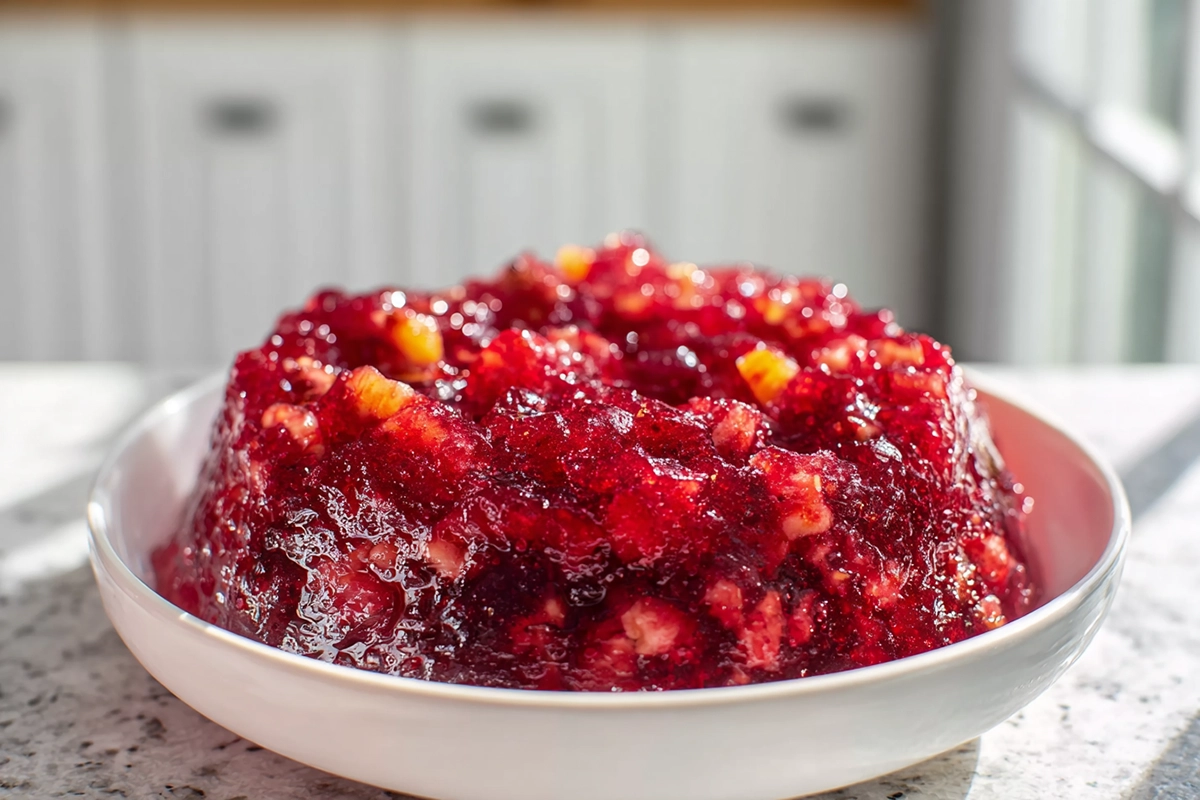
Cranberry Jello Salad has this weird reputation problem. Everyone knows it. Everyone’s seen it wobbling on a holiday table. And everyone pretends they don’t like it—until a clean, cold slice hits their plate. That first bite is always the same: firm but soft, cold but bright, sweet with that sharp cranberry edge, and this subtle citrus smell that sneaks up on you before the flavor even does. It’s not fancy food. It’s not modern food. But it’s comfort-food nostalgia in a very specific, very addictive form.
The problem is, most versions of this recipe are either too sweet, too flat, or weirdly rubbery. Some taste like straight-up candy. Others taste like canned fruit floating in red plastic. And a lot of them fail for dumb reasons—wrong gelatin flavor, bad texture choices, or ingredients that fight each other instead of working together. You don’t notice it until you try a good one… and then suddenly every bad one makes sense.
Here’s my promise: this version works because the ingredients actually make sense together. The flavors balance. The texture is clean. The sweetness is controlled. And the structure sets properly instead of turning into a sad, sliding mess. This isn’t a “vintage recipe revival.” It’s just a cranberry jello salad that behaves itself, holds its shape, and tastes like it belongs on a holiday table.
Table of Contents
The No-Regret Ingredients
Raspberry Gelatin
This is the backbone. Raspberry gelatin gives you sweetness without that fake cherry cough-syrup vibe, and it pairs naturally with cranberry instead of fighting it. I don’t care what the box says—this is not the place for lime, orange, or “mixed berry.” Stick with raspberry, and you get structure, color, and flavor that actually feels intentional.
Crushed Pineapple (With Juice)
Do not drain it. The juice is part of the liquid balance that helps the gelatin set properly and keeps the texture tender instead of rubbery. Cheap canned pineapple is totally fine here—this isn’t about fresh fruit quality, it’s about consistency and moisture. Fresh pineapple actually causes more problems than it solves in gelatin recipes.
Whole Berry Cranberry Sauce
This is non-negotiable. Whole berry gives you texture, bite, and real cranberry presence. The smooth jellied stuff turns the whole dish into red mush with no contrast. You want the little berry pieces—this is what makes it feel like food, not candy.
Orange Zest
This is the quiet difference-maker. It doesn’t make the salad taste “orangey,” but it lifts the sweetness and sharpens the cranberry flavor so everything
doesn’t blur together. Skip this and the salad tastes flat and heavy. Add it, and suddenly the whole thing feels brighter and cleaner.
Cooking Spray
Not glamorous, but it matters. A clean release is part of the experience—broken edges and torn gelatin ruin the whole presentation. A light coat is the difference between a clean mold and a panic moment.
Heavy Cream + Sugar (Optional, for Garnish)
If you’re going dessert-style, real whipped cream beats store-bought every time for texture and flavor. But I’m not precious about it—cool whip works if that’s what you’ve got. The key is keeping it on top, not mixed in, so the salad keeps its clean look and structure.
Fresh Cranberries, Mint, Extra Orange Zest (Optional Garnish)
Purely visual—but worth it for holidays. The contrast makes it look intentional instead of retro-random. It’s the difference between “grandma’s fridge recipe” and “holiday table dish.”

How This Actually Sets Up (And Why It Works)
Dissolving the Gelatin Without Sabotaging It
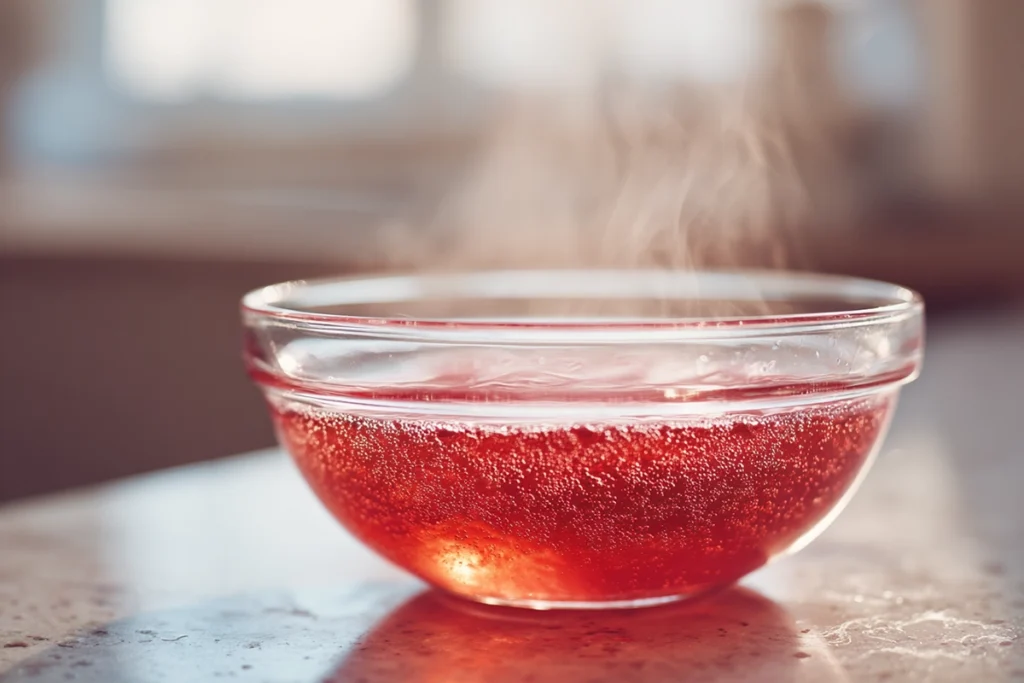
This is where everything starts, and it’s also where most failures are baked in. When the boiling water hits the gelatin, you should see the powder disappear completely, leaving a clear, jewel-toned liquid with no graininess at the bottom of the bowl. Give it time. Stir until the mixture looks glossy and uniform, and when you drag a spoon across the bottom, it should feel smooth—not sandy. If you tilt the bowl toward the light and see specks, keep stirring. The smell at this stage should be lightly fruity, not artificial or sharp.
Once the cold water goes in, the temperature drops fast. That’s intentional. Touch the side of the bowl—it should feel warm, not hot. This cooling step is what prevents the fruit from floating strangely later. Rushing here leads to uneven setting, which shows up hours later when you cut into it and wonder why the bottom is firmer than the top.
Folding in the Fruit Without Clouding the Gel
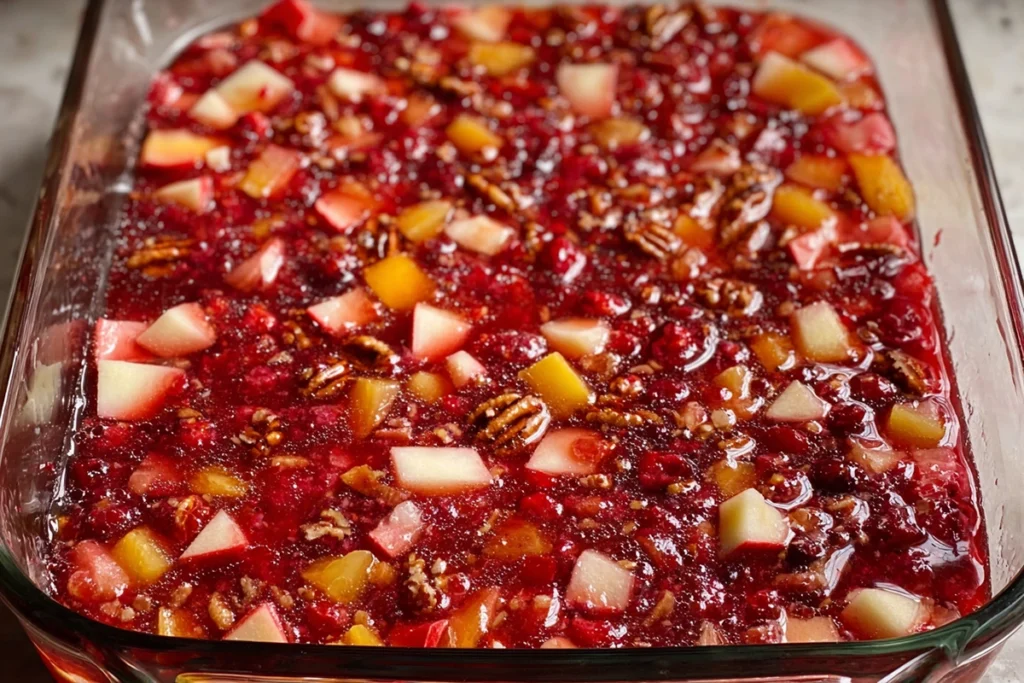
When the pineapple, cranberry sauce, and orange zest go in, the mixture should look thick but still pourable, like heavy cream. Stir gently. You’re not beating eggs—you’re coaxing everything together. Visually, you want to see streaks disappear slowly, not instantly. If the mixture turns foamy or cloudy, you’ve gone too aggressive.
Pay attention to texture as you stir. You should feel resistance from the fruit pieces, but the liquid should still flow easily around them. The smell will shift here—brighter, more citrus-forward, with that unmistakable cranberry tang. That’s your cue that everything is balanced and ready for the mold.
The Long, Cold Set (This Is Where Patience Pays Off)
Once poured, the surface should look smooth and level, with fruit evenly suspended instead of clumped at the top. Cover it, slide it into the fridge, and then leave it alone. Not peek-in-every-hour alone—actually leave it alone. After a few hours, if you gently press the surface through the plastic wrap, it should feel firm but springy, like pressing on a chilled panna cotta.
By the time it’s fully set, the color deepens slightly and the texture becomes clean and sliceable. There’s no smell at this stage unless you lean in close, and that’s a good thing. Strong smells mean something didn’t set right.
The Uh-Oh Moments (Where People Usually Mess This Up)
“Why Didn’t My Gelatin Set?”
I’ve been there. The most common culprit is water temperature. If the initial water wasn’t truly boiling, the gelatin never fully dissolved, even if it looked fine at first. Hours later, you end up with a soft, slushy center. If your kitchen is quiet, you should hear a faint clink of the spoon against the bowl as you stir boiling water—anything less is a gamble.
“My Salad Looks Cloudy”
This usually comes from over-stirring after the fruit goes in. I learned this the hard way when I treated it like batter instead of gelatin. Cloudiness doesn’t change the taste much, but visually it loses that classic, glassy holiday look. Slow down. Stir like you’re folding whipped cream, not mixing concrete.
“Everything Sank to the Bottom”
That’s a temperature issue. If the gelatin mixture is too warm when the fruit is added, gravity wins. The fruit sinks, the top sets clear, and the whole thing looks upside down. The bowl should feel just warm to the touch before you add anything chunky. If it feels hot, wait.
“It Won’t Come Out of the Mold”
This one still makes people panic. If the gelatin won’t release, it’s not ruined. The water you dip the mold into should be very hot—steaming hot—but only for seconds. You’ll feel the outer edge loosen slightly when you touch it. Too long, and you’ll melt the edges. Too short, and nothing happens. This is a finesse move, not brute force.
Make It Your Own (Without Ruining It)
Cherry-Cranberry Swap (Sharper, Less Sweet)
If you want a more grown-up version, swap the raspberry gelatin for cherry. Not strawberry—cherry. Cherry leans tart and plays better with the cranberry sauce, especially if you’re serving this alongside very rich food. The texture stays the same, but the flavor is noticeably sharper and less candy-like. I only do this for Thanksgiving or Christmas dinners where everything else is already sweet-heavy.
Creamy Top, Not Mixed In
If you want that classic retro look, add whipped cream—but only on top, never folded into the gelatin. Folding cream into the base dulls the color and muddies the texture. A clean layer of lightly sweetened whipped cream added right before serving keeps the salad crisp-looking and gives you that cold-creamy contrast when you cut into it. Store-bought whipped topping works fine here; homemade tastes better but weeps faster.
Nutty Crunch (Use Restraint)
For texture lovers, a small amount of finely chopped pecans can work, but this is a less-is-more situation. They should feel like a surprise, not the main event. I add them only if I’m serving the salad unmolded in a pan, not as a showpiece mold. Too many nuts interrupt the clean slice and make the salad crumble instead of wobble.
Serving & Storing (Real Life Advice)
I serve this ice-cold, straight from the fridge, usually after the heavy stuff hits the table. It works best as a palate reset—right next to turkey, ham, or anything gravy-based. When sliced cleanly, it should hold its shape but jiggle slightly when you nudge the plate. If it doesn’t jiggle at all, it’s over-set. If it slumps, it wasn’t ready.
This is one of the rare dishes that genuinely improves overnight. The flavors mellow, the citrus settles in, and the texture firms up just enough to slice cleanly. You can make it up to three days ahead, loosely covered, so it doesn’t pick up fridge smells. Do not freeze it. Gelatin and freezing are enemies—thawing turns it grainy and watery, and there’s no fixing that.
If you’ve added whipped cream, keep it separate until serving. Once cream goes on top, the clock starts ticking. Leftovers with cream are still edible the next day, but they won’t look pretty—and this dish is half about looks.
This Cranberry Jello Salad works because it respects what it is: cold, bright, nostalgic, and unapologetically simple. When it’s done right, it earns its place at the holiday table—not out of tradition, but because people actually want it there.
Get inspired with more mouthwatering recipes! Follow me on Pinterest for new cooking ideas every week.
Frequently Asked Questions
Can I make this cranberry jello salad without a mold?
Yes. A simple 9-inch square pan works just fine. You lose the dramatic shape, but you gain easier slicing and zero stress when it’s time to serve.
Why didn’t my gelatin fully set?
This almost always comes down to water temperature. If the water wasn’t truly boiling when you dissolved the gelatin, it won’t fully activate, even if it looks okay at first.
Can I use fresh cranberries instead of canned cranberry sauce?
Not really. Fresh cranberries don’t break down the same way and won’t give you the right texture or balance. Whole berry canned sauce is cooked, sweetened, and reliable—this is not the place to improvise.
Is cranberry jello salad a side dish or a dessert?
It depends on how you serve it. Without whipped cream, it behaves like a bright, refreshing side dish. Add whipped cream, and it crosses firmly into dessert territory.
Can I freeze cranberry jello salad?
No. Freezing destroys the texture. When it thaws, it turns watery and grainy, and there’s no fixing it.
How far ahead can I make it for the holidays?
Up to three days ahead is ideal. Make the gelatin early, keep it loosely covered in the fridge, and add any whipped topping or garnish right before serving.
What’s the best way to unmold it without breaking it?
Dip only the bottom two-thirds of the mold into very hot water for about 30 seconds. You should feel the edges loosen slightly—then flip. If it doesn’t release, repeat briefly. Don’t force it.
Print
Cranberry Jello Salad
- Prep Time: 20 minutes
- Total Time: 6 hours 20 minutes
- Yield: 8 servings 1x
- Category: Holiday Side Dish
- Method: Chilling
- Cuisine: American
- Diet: Gluten Free
Description
Sweet-tart Cranberry Jello Salad made with fresh cranberries, pineapple, oranges, apples, and pecans. This classic holiday side is easy to make ahead and perfect for Thanksgiving or Christmas.
Ingredients
- 1 box raspberry gelatin (6 oz)
- 2 cups boiling water
- Reserved pineapple juice plus water to make 1 1/2 cups
- 12 oz fresh cranberries
- 1 cup granulated sugar
- 1 apple, cored and finely chopped
- 2 cans (8 oz each) pineapple tidbits, drained
- 1 can (11 oz) mandarin oranges, drained
- 1/2 cup chopped pecans
Instructions
- Dissolve the raspberry gelatin completely in boiling water, stirring until fully clear.
- Measure the reserved pineapple juice and add cold water to make 1 1/2 cups, then stir into the gelatin.
- Pulse the cranberries and sugar in a food processor until finely chopped and evenly coated.
- Add the cranberry mixture, apple, pineapple, oranges, and pecans to a large dish and stir gently.
- Pour the gelatin mixture over the fruit and mix until evenly combined.
- Cover and refrigerate for at least 6 hours or overnight until fully set.
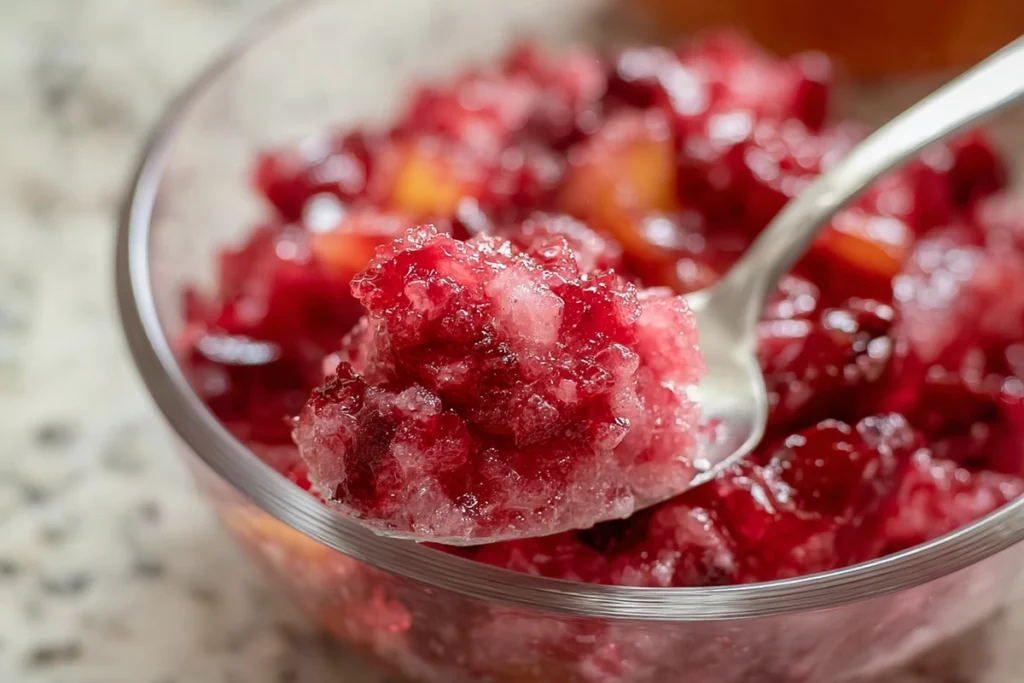
- Before serving, gently stir with a fork to loosen the texture and serve chilled.
Notes
- Drain all fruit very well to prevent excess liquid.
- Do not use fresh pineapple, as it will prevent the gelatin from setting.
- Stir before serving for a lighter, scoopable texture.
- This salad can be made up to two days in advance.
Nutrition
- Serving Size: 1/2 cup
- Calories: 220
- Sugar: 36 g
- Sodium: 70 mg
- Fat: 4 g
- Saturated Fat: 1 g
- Unsaturated Fat: 3 g
- Trans Fat: 0 g
- Carbohydrates: 45 g
- Fiber: 3 g
- Protein: 2 g
- Cholesterol: 0 mg