
The Ultimate Guide to Homemade Yakisoba Sauce – Sweet, Savory, and Unforgettably Umami

There’s something oddly comforting about standing over a hot skillet of sizzling noodles as that sweet, savory aroma fills the kitchen. The first time I made yakisoba sauce from scratch, I didn’t expect much—just a simple stir-fry sauce for a busy weeknight. But after one bite, I understood why this Japanese classic is such a staple. It’s rich, complex, and perfectly balanced, coating each noodle like a glossy, flavorful hug. Whether you’re cooking for family or recreating a street-food favorite, mastering this sauce instantly upgrades your home-cooked meals.
Let’s dive into how to make your own yakisoba sauce—and how to tweak it to match your taste, diet, and lifestyle.
Table of Contents
What Is Yakisoba Sauce?
If you’ve ever enjoyed a plate of Japanese stir-fried noodles at a street fair or food truck, you’ve likely tasted yakisoba sauce without realizing it. This sauce is the heart of yakisoba, a dish that literally means “fried noodles.” Originating in Japan in the early 20th century, it blends Eastern and Western influences—soy sauce, Worcestershire sauce, and ketchup—to create a unique umami-rich flavor that’s both nostalgic and exciting.
While bottled versions are easy to find, homemade sauce gives you the freedom to adjust sweetness, saltiness, and spice exactly how you like. You can make it mild and mellow or bold and tangy—either way, it brings an unmistakable Japanese flair to your kitchen.
Key Ingredients and What They Do
Making your own yakisoba sauce doesn’t require a trip to Tokyo. You probably have most ingredients in your pantry already. Here’s what you’ll need and why each one matters:
Soy sauce (3 tablespoons) – Provides the salty, savory foundation and that classic umami depth.
Worcestershire sauce (2 tablespoons) – Adds tang and complexity, balancing the soy sauce with mild acidity.
Oyster sauce (1 tablespoon) – Brings a rich, slightly sweet undertone that makes the sauce feel more rounded.
Ketchup (1 tablespoon) – Adds a touch of sweetness and body while enhancing color.
Sugar (1 teaspoon) – Balances out saltiness and sharpness, especially if your Worcestershire is strong.
Sesame oil (½ teaspoon) – Lends a warm, nutty finish that ties everything together.
Optional: A pinch of garlic powder or chili flakes if you want an extra punch.
Each ingredient has its own voice, but when whisked together, they sing in harmony—sweet, salty, tangy, and deeply satisfying.

How to Make Yakisoba Sauce at Home
Quick Whisk Method
This is the easiest and most common way to prepare yakisoba sauce:
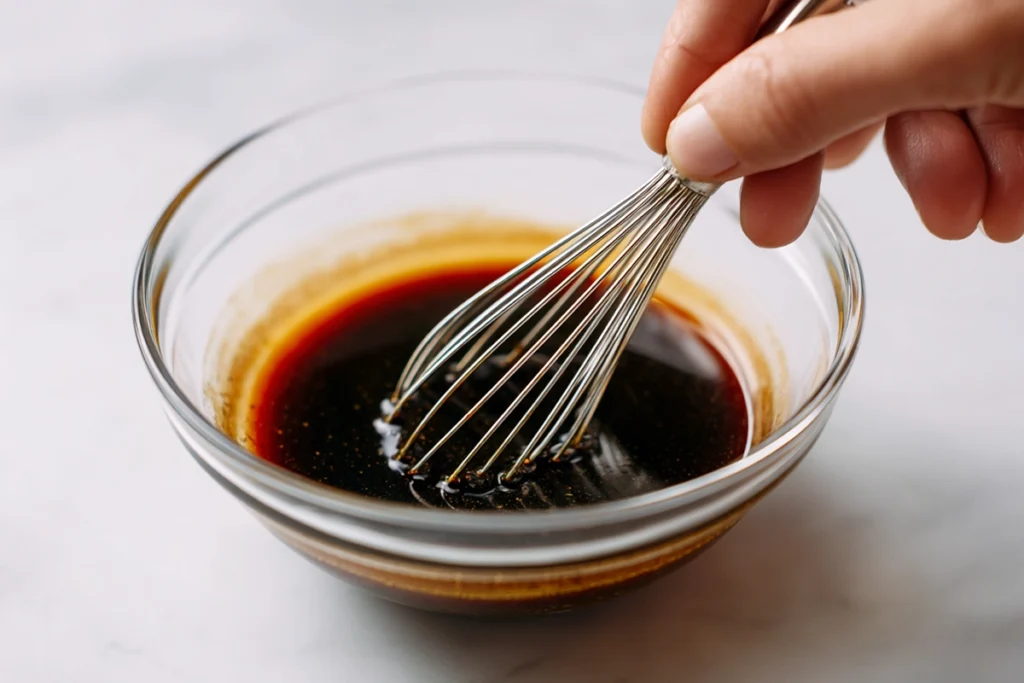
- In a small bowl, whisk together soy sauce, Worcestershire, oyster sauce, ketchup, sugar, and sesame oil.
- Taste and adjust—add more sugar for sweetness or a splash more Worcestershire for brightness.
- Use immediately or store for later (details below).
Simmered Method for Deeper Flavor
If you have five extra minutes, simmering the sauce takes it to another level. Heat all ingredients in a small saucepan over low heat until slightly thickened. This helps the sugar dissolve completely and creates a silky, restaurant-style texture.
When it cools, you’ll have a glossy, pourable sauce ready to coat noodles, meats, or veggies.
Using Yakisoba Sauce in Your Dishes
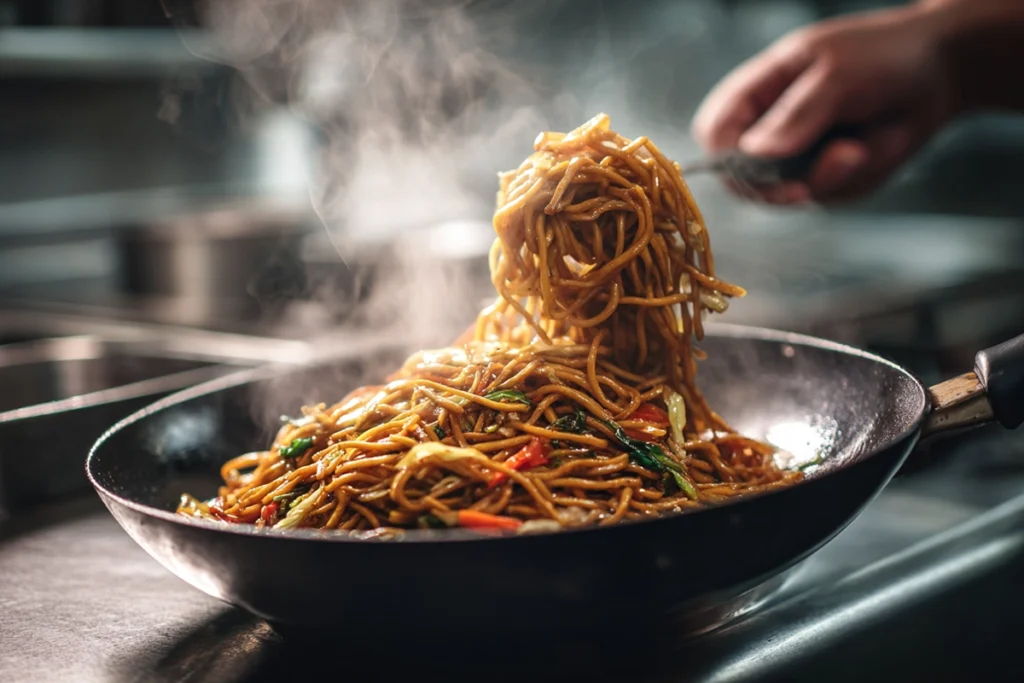
The obvious choice is, of course, classic yakisoba noodles. Stir-fry your cooked noodles with sliced cabbage, carrots, and protein (like chicken or shrimp). Add the yakisoba sauce near the end of cooking so it caramelizes slightly without burning.
But don’t stop there—you can use it for so much more:
- Marinades: Mix with a little oil for grilling meats or tofu.
- Dipping Sauce: Perfect for fried foods like tempura or gyoza.
- Glaze: Brush it over skewers or burgers before finishing on the grill.
It’s the kind of sauce that works quietly in the background but transforms an ordinary meal into something crave-worthy.
Dietary Variations and Substitutions
Everyone deserves to enjoy the magic of yakisoba sauce, no matter their diet. Here’s how to adapt it for your needs:
Vegan / Vegetarian:
Swap oyster sauce for mushroom stir-fry sauce or hoisin sauce. Choose a vegan Worcestershire sauce (some brands use anchovies, so check labels).
Gluten-Free:
Use tamari instead of soy sauce, and find gluten-free Worcestershire and ketchup. A touch of rice vinegar can add back any missing sharpness.
Low-Calorie or Low-Sugar:
Cut the sugar in half or use honey or monk fruit sweetener. Reduce ketchup slightly and replace it with a splash of tomato paste for a thicker texture.
Halal:
Ensure your oyster or Worcestershire sauces are halal-certified. Alternatively, mix soy sauce with a hint of pomegranate molasses for a rich, tangy base.
By adjusting just a few ingredients, you can make this sauce fit seamlessly into your lifestyle without sacrificing flavor.
Storage and Shelf Life
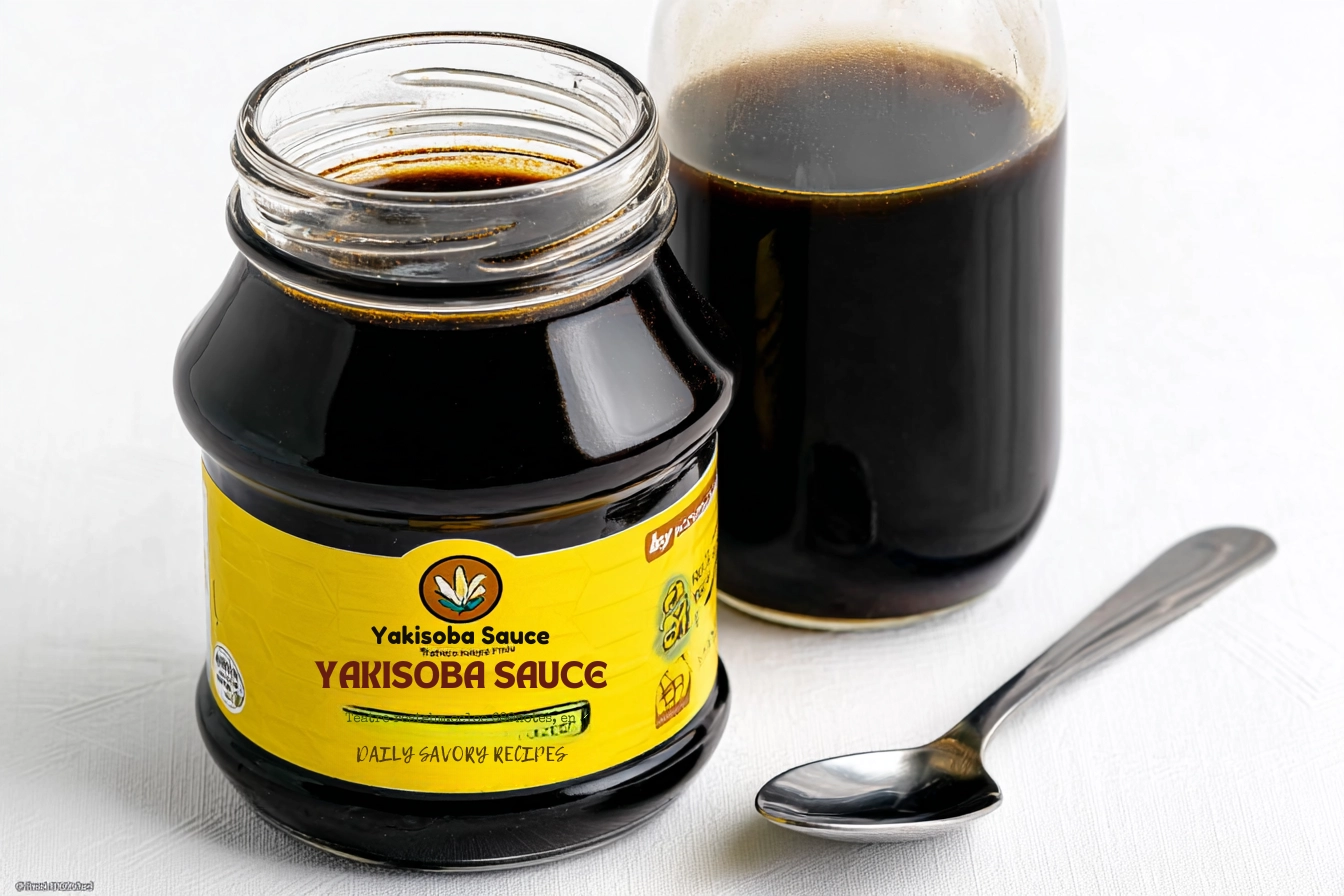
Homemade yakisoba sauce keeps beautifully if stored right. Once cooled, pour it into a clean glass jar or bottle and refrigerate. It will stay fresh for about 10 to 14 days. Shake before using—it may separate slightly over time.
If you love batch cooking, double the recipe and freeze it in small portions using ice cube trays. Each cube is a perfect single serving for noodles or marinades. Just thaw in the fridge or melt directly into your stir-fry pan.
Avoid keeping it too long, though—if it smells off, looks cloudy, or develops mold, it’s time to make a fresh batch.
Tips for Perfect Yakisoba Flavor
Balancing flavors is everything. If your sauce tastes too salty, add a touch of sugar or a splash of water. Too sweet? A few drops of soy sauce or vinegar will fix it. For more umami depth, stir in a dab of miso paste or a sprinkle of dashi powder.
When cooking noodles, keep the heat high and add the sauce at the end. This helps the sugars caramelize and coat each noodle evenly, giving you that signature yakisoba sheen and flavor.
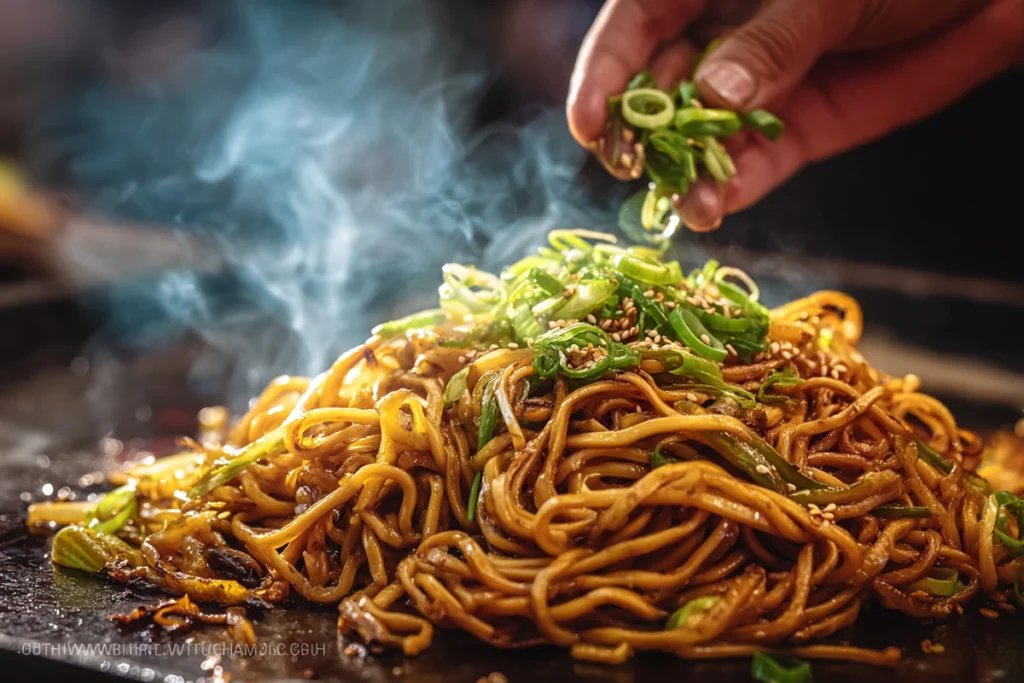
When you make your own yakisoba sauce, you’re not just mixing condiments—you’re creating the backbone of countless meals. It’s the flavor that brings your noodles to life, turns leftovers into something exciting, and makes your kitchen smell like your favorite Japanese food stall. Once you’ve tasted the homemade version, you’ll never go back to bottled again.
FAQ
What does yakisoba sauce taste like?
Yakisoba sauce has a perfect mix of sweet, savory, and tangy flavors with a touch of umami. It’s similar to a Japanese-style barbecue sauce but lighter and more balanced, making it ideal for noodles and stir-fries.
Can I use yakisoba sauce for other dishes besides noodles?
Absolutely. You can use yakisoba sauce as a marinade for meats, a glaze for grilled vegetables, or even as a dipping sauce for fried foods like tempura or chicken bites. It’s incredibly versatile.
Is yakisoba sauce gluten-free?
Traditional yakisoba sauce isn’t gluten-free because of soy sauce and Worcestershire sauce. However, you can make it gluten-free by using tamari and a gluten-free Worcestershire substitute.
How long does homemade yakisoba sauce last?
When stored in an airtight jar and refrigerated, homemade yakisoba sauce lasts up to two weeks. Just shake it before using since the ingredients may separate slightly.
What’s the difference between yakisoba sauce and teriyaki sauce?
Yakisoba sauce is tangier and less sweet than teriyaki sauce. While teriyaki focuses on sugar and mirin for a glossy glaze, yakisoba sauce leans on Worcestershire and soy sauce for a deeper, savory flavor.
Print
Yakisoba Sauce
- Prep Time: 5 minutes
- Cook Time: 3 minutes
- Total Time: 8 minutes
- Yield: 6 servings (about ¾ cup total) 1x
- Category: Sauce
- Method: Whisked / Simmered
- Cuisine: Japanese
Description
This homemade yakisoba sauce is a sweet, savory, and tangy Japanese stir-fry sauce that perfectly coats noodles, meats, and vegetables. Made with pantry staples like soy sauce, Worcestershire, and oyster sauce, it delivers the authentic umami flavor of Japanese street food in just minutes
Ingredients
3 tablespoons soy sauce
2 tablespoons Worcestershire sauce
1 tablespoon oyster sauce
1 tablespoon ketchup
1 teaspoon sugar
½ teaspoon sesame oil
Optional: pinch of garlic powder or chili flakes
Instructions
-
3 tablespoons soy sauce
-
2 tablespoons Worcestershire sauce
-
1 tablespoon oyster sauce
-
1 tablespoon ketchup
-
1 teaspoon sugar
-
½ teaspoon sesame oil
-
Optional: pinch of garlic powder or chili flakes
Notes
The sauce thickens slightly as it cools, especially if simmered.
For a vegan option, replace oyster sauce with mushroom or hoisin sauce and use vegan Worcestershire.
Store in the refrigerator for up to 2 weeks. Shake before using