
The Cheesy Garlic Crescent Rolls That Never Let Me Down

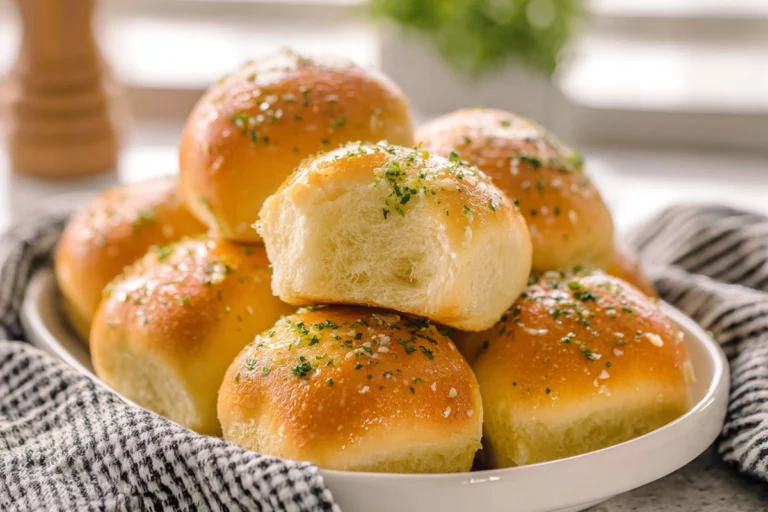
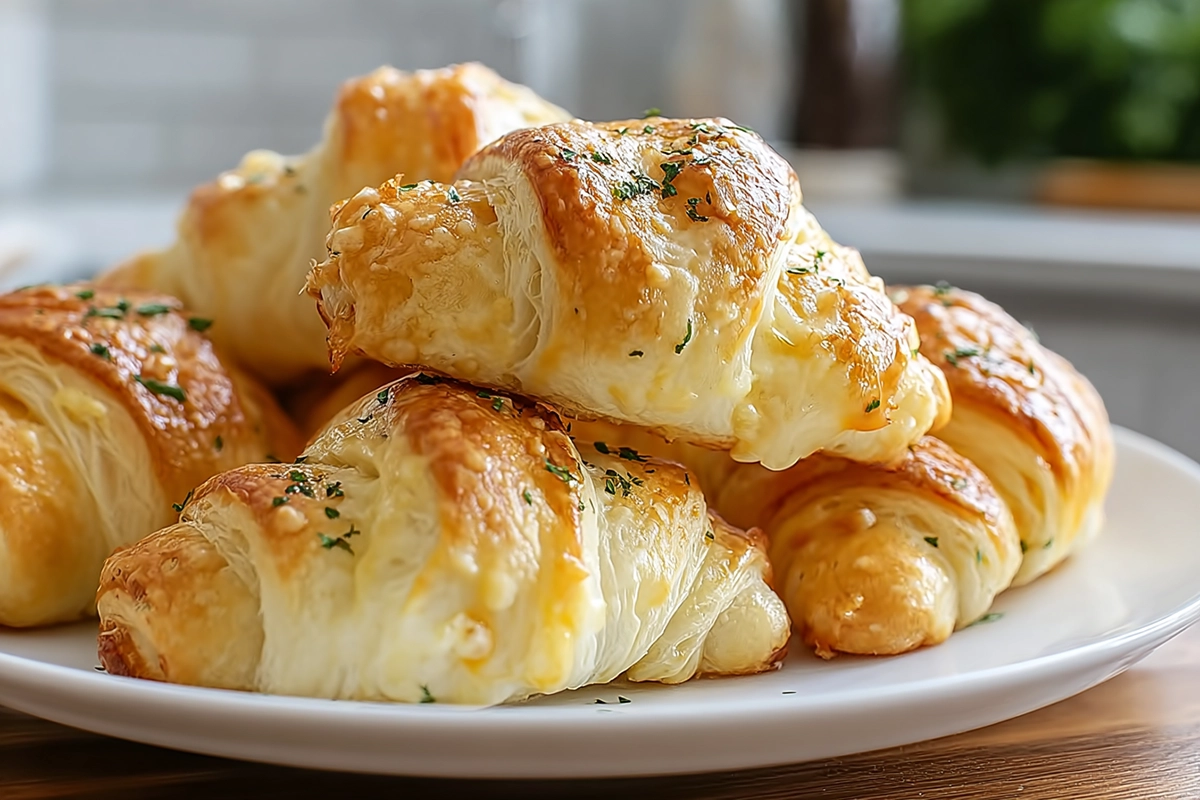
The first time I nailed Cheesy Garlic Crescent Rolls, it wasn’t because I got fancy—it was because I paid attention to the smell. That buttery, garlicky steam hits the oven door before the timer even matters, and suddenly everyone in the house is standing closer than necessary. These rolls aren’t subtle. They’re soft in the middle, lightly crisp on the outside, and just cheesy enough to feel indulgent without crossing into greasy regret. When they’re right, they disappear fast—and people ask if you’re making another batch before the tray cools.
Most versions out there promise “easy” but leave out the parts that actually matter. They overload the filling, scorch the garlic, or bake too hot so the bottoms brown before the dough has time to puff. Some skip the brushing step, which sounds minor until you taste the difference. The result is often dry crescents with leaked cheese and that harsh, burnt-garlic edge nobody wants but nobody talks about.
This version works because it’s built around restraint and timing. I’m not trying to reinvent crescent rolls—I’m using them for what they’re good at. The cheese choice matters. The garlic handling matters. The butter application matters more than you think. My promise here is simple: if you respect the ingredients and don’t rush the setup, these rolls come out golden, melty, and reliable every single time. No tricks. Just decisions that hold up.
Table of Contents
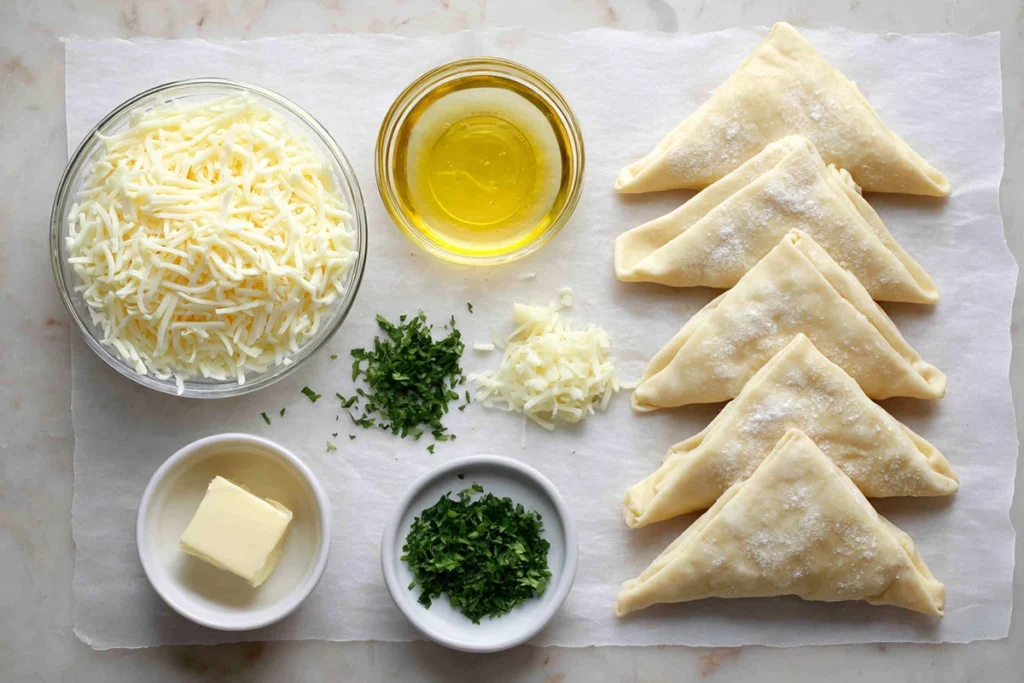
The No-Regret Ingredients
Refrigerated Crescent Rolls
This recipe depends on store-bought crescent dough, and I won’t apologize for it. The layers are already engineered to puff fast and evenly, which is exactly what you want here. Any major brand works, but avoid off-brand dough that tears easily—it won’t seal well and that’s how you lose the cheese.
Butter
Melted butter is the backbone of flavor and texture. I’ve used everything from name-brand to the cheapest store version, and honestly, this is where saving money is fine. What matters more is brushing generously and evenly so every bite stays tender.
Garlic
Freshly minced garlic is non-negotiable. Jarred garlic has a dull, almost sour edge once it hits heat, and this recipe doesn’t hide flaws. Two cloves is plenty—you want aroma and warmth, not bitterness.
Italian Seasoning
This adds background flavor without stealing focus. A basic blend is perfect; no need for anything artisanal. It rounds out the butter and garlic so the rolls taste finished, not one-note.
Mozzarella String Cheese
Low-moisture string cheese melts predictably and stays put when wrapped correctly. Pre-shredded mozzarella releases too much oil here, and fresh mozzarella is asking for a mess. Stick with sticks—they’re shaped this way for a reason.
How These Rolls Go From Flat Dough to Gone Fast
Butter First, Always
The garlic butter is where everything starts, and you can tell immediately if you’re on the right track. When the butter is warm—not hot—and the minced garlic hits it, you should smell a soft, round garlic aroma, not anything sharp or aggressive. If it smells harsh, the butter was too hot. The mixture should look glossy and speckled, not separated, and when you brush it onto the dough it should glide on easily instead of soaking straight through.
When you unroll the crescent dough, pay attention to how it feels. It should be cool and slightly tacky, like a Post-it note on your finger, not wet or floppy. Brushing the butter on the inside first gives the dough flavor where it counts, and you’ll see it darken just a shade as it absorbs. That’s what you want—seasoned layers, not puddles.
Rolling Tight Without Crushing the Dough
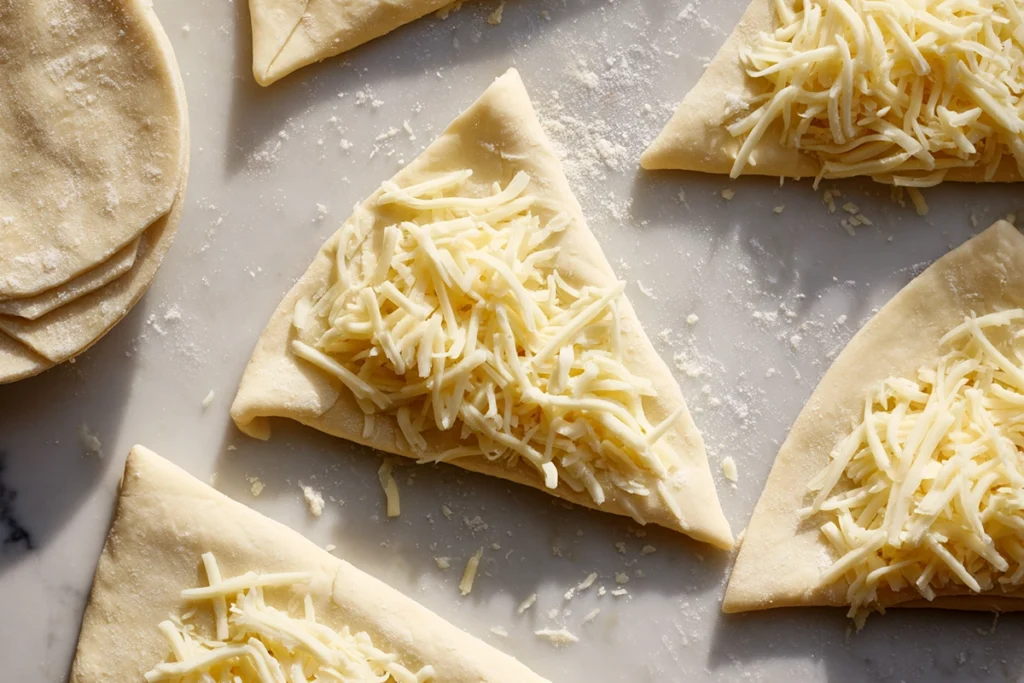
This is the quiet moment where things either work or fall apart. Place the cheese at the wide end and roll with intention, not force. The dough should stretch just enough to hug the cheese, but if it feels like it’s tearing or going translucent, you’ve gone too far. A good roll looks snug and slightly plump, not skinny and strained.
As you finish rolling, you should feel gentle resistance under your fingers—springy, not stiff. When the roll hits the pan, it should sit seam-side down without unraveling. A final brush of garlic butter on top gives you that glossy finish later, and you’ll smell the garlic warming the second it goes into the oven.
The Fast Bake That Makes or Breaks Them
Once they’re in the oven, things move quickly. Within a few minutes, you’ll hear a faint sizzle as the butter heats and the dough starts to puff. Look for the rolls to swell and separate slightly, with small golden patches forming along the edges. If you smell toasted garlic and butter before the tops have color, you’re right on schedule.
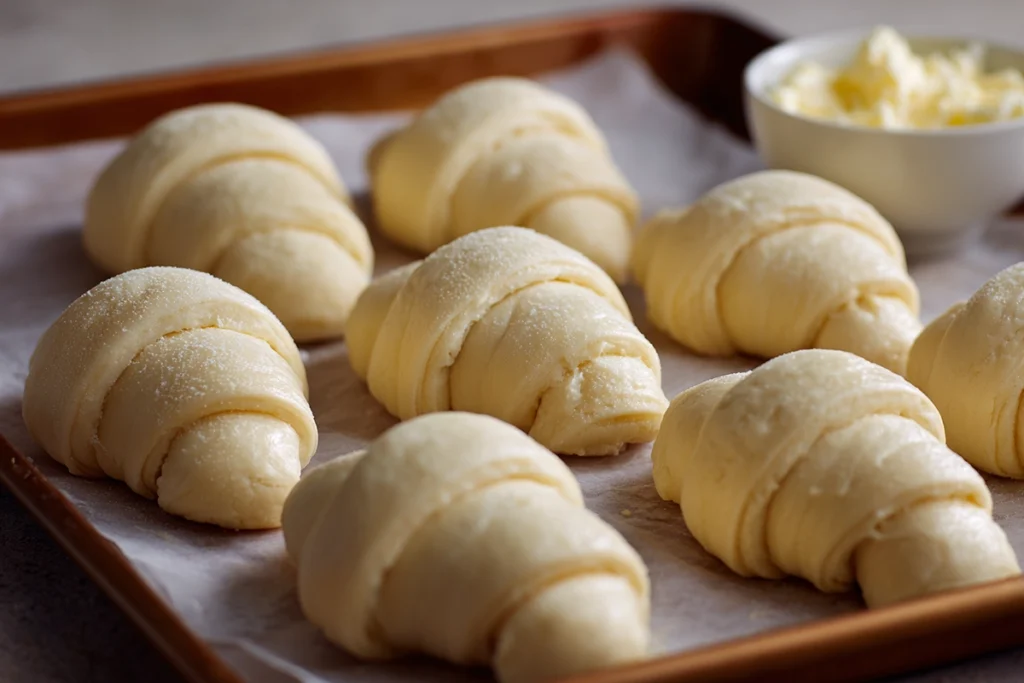
By the end, the tops should be lightly golden and feel firm when gently pressed, while the sides still look soft. When you pull the tray out, you should hear a quiet crackle from the bottoms and smell warm bread, not scorched butter. That’s the moment—they’re done.
The Uh-Oh Moments (I’ve Burned, Leaked, and Learned)
Why Did My Garlic Taste Bitter?
I burned it. Simple as that. The first time I rushed, I mixed garlic into butter that was still sizzling hot, and the smell turned sharp immediately. Garlic should bloom gently—if it smells toasted before it hits the oven, you’ve already gone too far.
Why Did All the Cheese Leak Out?
I used too much and rolled too loose. String cheese feels harmless, but once it melts, it pushes hard. If the roll doesn’t feel snug in your hands, it won’t hold in the oven. When cheese leaks, you’ll hear it sizzle loudly on the pan and smell milk solids browning—that’s your warning sign.
Why Are My Rolls Pale and Soft?
My oven runs cool, and I learned that the hard way. The first batch looked puffed but stayed blond and doughy underneath. An oven thermometer fixed this fast. You want steady heat so the dough sets and browns before the butter soaks in.
Why Are the Bottoms Too Dark?
I baked too low in the oven on a dark pan. The bottoms fried while the tops lagged behind. Use parchment and keep the tray centered—you want even heat, not direct blast from below.
Make It Your Own (Without Ruining It)
Provolone With a Little Bite
If you want more flavor than mozzarella without losing melt, provolone is the cleanest upgrade. Use a low-moisture provolone stick or cut a block into even pieces—pre-sliced deli provolone melts too fast and turns greasy. You’ll notice the smell change in the oven: less milky, more savory, almost nutty at the edges.
Cheddar That Actually Melts
Cheddar works, but only if you treat it right. Use a block of sharp cheddar and cut it into short, thick batons; pre-shredded cheddar has anti-caking powder that stops it from melting smoothly. Expect a firmer center and a louder sizzle as it bakes—cheddar releases fat differently and needs that tight roll to stay put.
Garlic Butter With Heat
I’ve tested red pepper flakes and a pinch of cayenne, and flakes win here. Stir them into the butter and let it sit for a minute so the oil blooms—you should smell warmth, not fire. This gives a slow burn at the finish without overpowering the cheese.
Parmesan Finish (After Baking)
Grated Parmesan goes on after the rolls come out, not before. Sprinkled hot, it melts just enough to cling without burning. You’ll hear a faint crackle as it hits the buttered surface, and the salty edge balances the richness perfectly.
Serving & Storing (What Actually Works)
I eat these straight off the tray while they’re still warm enough to stretch when pulled apart. They don’t need sauce, but if I’m serving them with pasta or soup, a simple marinara on the side makes sense. Once they cool, they lose that soft-pillowy magic fast.
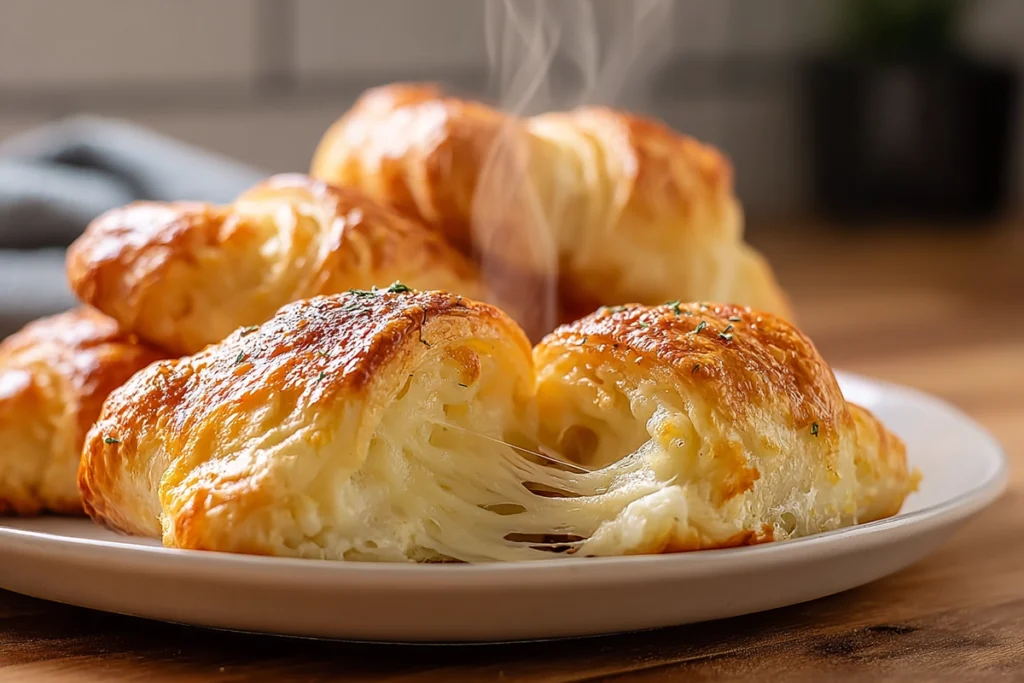
If you’re storing leftovers, skip the fridge—bread goes stale there faster than anywhere else. Let the rolls cool completely, then wrap them tightly and freeze. Slice them before freezing if you plan to reheat one or two at a time; otherwise, you’ll be hacking at a frozen brick later.
For reheating, the air fryer is king. Two minutes brings back the crisp outside and warms the center without drying it out. The oven works too, but avoid the microwave unless you’re okay with soft, quiet disappointment.
These Cheesy Garlic Crescent Rolls work because they respect timing, heat, and restraint. When that buttery garlic smell fills the kitchen again, you’ll know you did it right—and so will everyone else.
Get inspired with more mouthwatering recipes! Follow me on Pinterest for new cooking ideas every week.
Frequently Asked Questions
Can I prep these ahead of time?
Yes, but only up to a point. You can assemble the rolls, cover them tightly, and refrigerate for a few hours. Don’t leave them overnight—the dough starts to relax and you’ll get leaks when baking.
Why does my cheese leak out every time?
Either the rolls weren’t tight enough or there was too much cheese. The dough should feel snug around the filling, not stretched thin. If you hear loud sizzling early in the bake, that’s cheese escaping.
Can I use jarred garlic instead of fresh?
You can, but I don’t recommend it. Jarred garlic turns sharp and slightly sour when baked at this temperature. Fresh garlic smells sweet and mellow once it warms in butter.
Can I bake these in an air fryer?
Yes, but watch them closely. Air fryers run hotter and faster, so they brown quickly on the outside while the inside catches up. Lower the temperature slightly and check early.
How do I keep the bottoms from overbrowning?
Use parchment paper and bake on the center rack. Dark pans and low racks concentrate heat underneath, which fries the bottoms before the tops are ready.
Can I freeze them after baking?
Yes, and they freeze well. Let them cool completely, then freeze in an airtight container. Reheat straight from frozen in an air fryer or oven—don’t thaw first or they turn soggy.
PrintCheesy Garlic Crescent Rolls
Buttery, flaky crescent rolls filled with melted cheese and brushed with garlic butter. These Cheesy Garlic Crescent Rolls are quick to make, comforting, and perfect as an easy side dish for weeknight dinners or family gatherings.
- Prep Time: 10 minutes
- Cook Time: 12 minutes
- Total Time: 22 minutes
- Yield: 8 rolls 1x
- Category: Side Dish
- Method: Baking
- Cuisine: American
- Diet: Halal
Ingredients
- 1 can (8 oz) refrigerated crescent roll dough
- 1 cup shredded mozzarella cheese
- 2 tablespoons unsalted butter, melted
- 2 cloves garlic, finely minced
- 1 tablespoon chopped fresh parsley (optional)
Instructions
- Preheat the oven to 375°F and line a baking sheet with parchment paper.
- Stir the melted butter and minced garlic together in a small bowl until combined.
- Unroll the crescent dough and separate it into triangles on a clean surface.
- Sprinkle shredded mozzarella across the wide end of each triangle.
- Roll each triangle starting from the wide end and tuck the tip underneath.
- Arrange the rolls evenly on the prepared baking sheet.
- Brush the tops generously with the garlic butter mixture.
- Bake for 10 to 12 minutes until golden and puffed.
- Let cool briefly before serving warm.
Notes
- Avoid overfilling with cheese to prevent leaking during baking.
- Let the rolls rest a few minutes after baking so the cheese sets slightly.
- Reheat leftovers in the oven for best texture.
Nutrition
- Serving Size: 1 roll
- Calories: 160
- Sugar: 2
- Sodium: 340
- Fat: 10
- Saturated Fat: 5
- Unsaturated Fat: 4
- Trans Fat: 0
- Carbohydrates: 13
- Fiber: 0
- Protein: 5
- Cholesterol: 20