
The Hashbrown Casserole That Finally Works

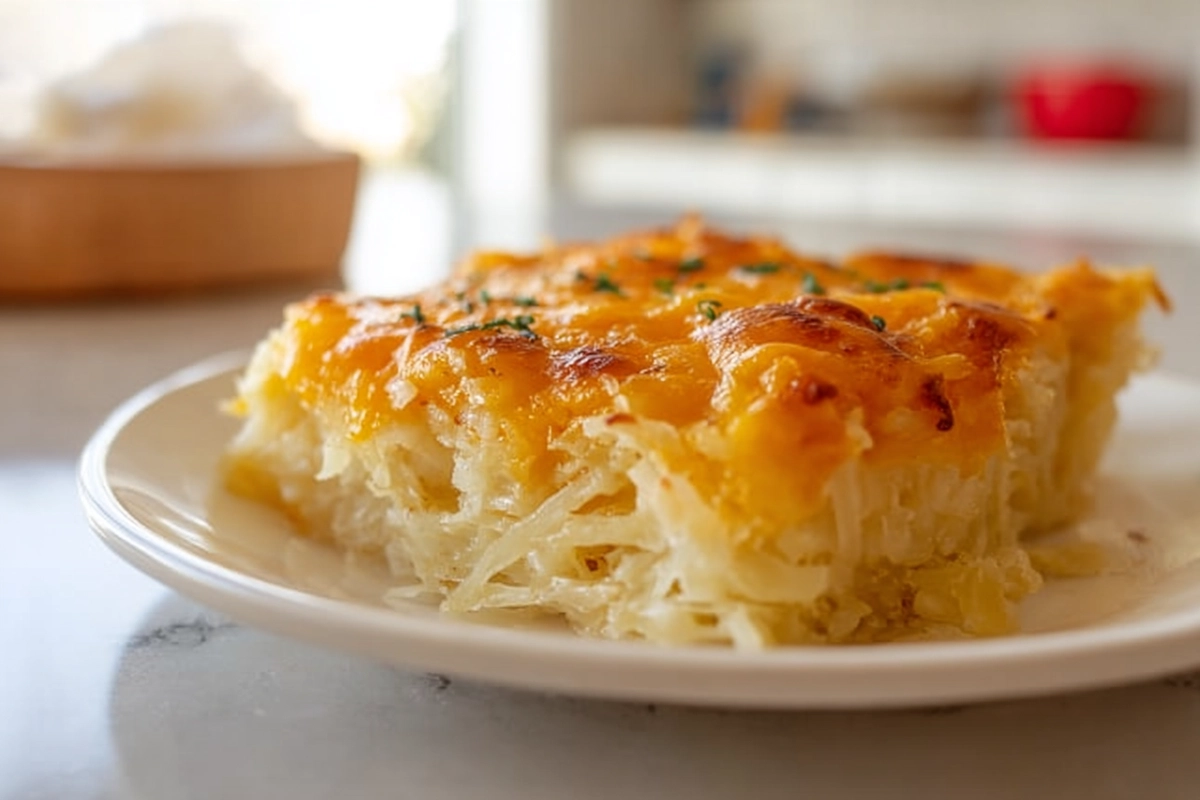
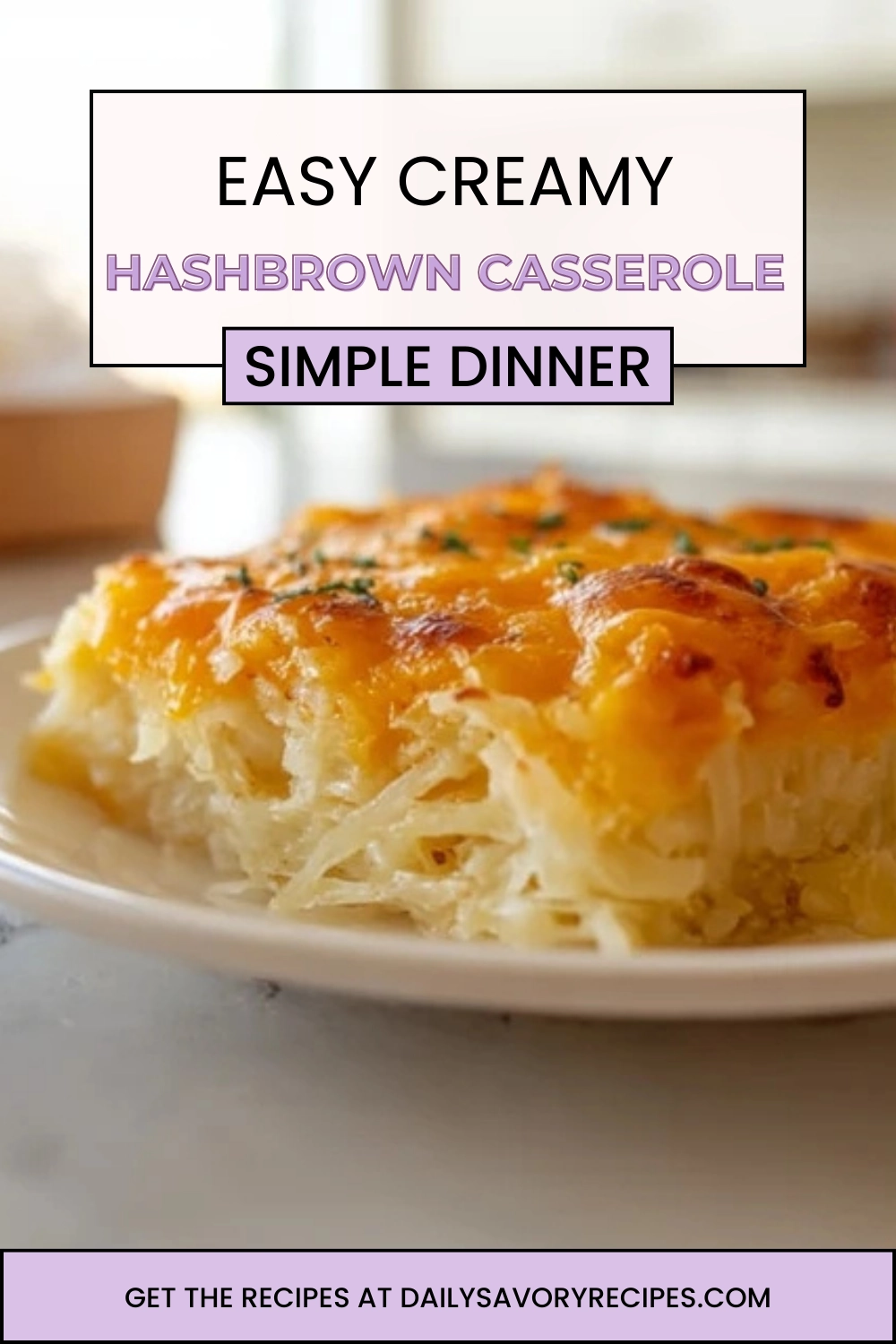
The smell of a Hashbrown Casserole hitting the oven is hard to ignore—melted butter, soft onion, and cheese doing that slow, comforting thing where the kitchen suddenly feels warmer than it did five minutes ago. This is the dish that makes people hover, ask “how long?” twice, and sneak a forkful before it’s fully set. It’s rich, a little messy, and exactly what you want when you’re chasing that Cracker Barrel side-dish nostalgia at home.
Most hashbrown casserole recipes promise “easy,” but skip the part where things quietly go wrong. The potatoes don’t get drained, so the middle turns loose. Someone swaps in low-fat dairy and wonders why it tastes flat. Or the cheese gets piled on without thinking, and the top turns greasy while the inside stays bland. None of these mistakes is dramatic—but they add up to a casserole that’s fine, not crave-worthy.
Here’s my promise: this version works because it respects how the ingredients behave together. It leans on frozen hashbrowns for consistency, uses fat where it actually matters, and keeps the flavor balance tight instead of loud. Nothing fancy, nothing cheffy—just a reliable, copycat-style hashbrown casserole that comes out creamy, cohesive, and exactly as comforting as you expect.
The No-Regret Ingredients
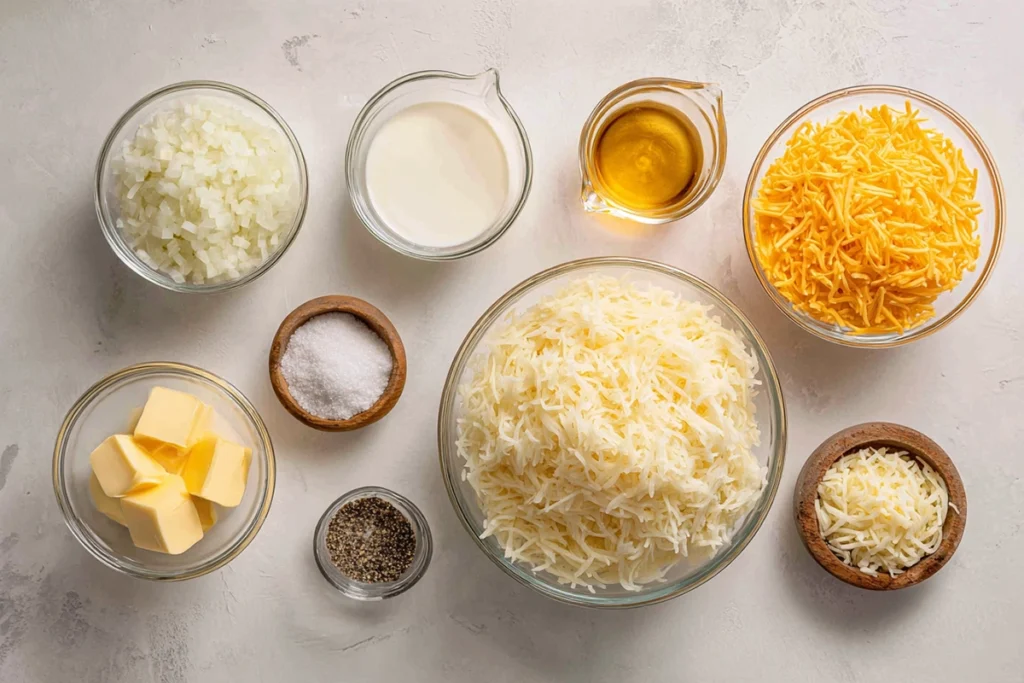
Frozen Shredded Hashbrowns
Frozen hashbrowns are non-negotiable here. They’re par-cooked and consistent, which means predictable texture once baked. Fresh potatoes introduce too much water unless you’re willing to squeeze them bone-dry—and most people aren’t.
Butter
This is where richness starts. Melted butter coats the potatoes and helps the casserole bake up creamy instead of chalky. Don’t cut it back—this isn’t the place for restraint.
Cream of Chicken Soup
Store brand is perfectly fine. It’s acting as a binder and seasoning base, not a flavor star. Cream of cheddar works too, but only if you want a sharper finish.
Sour Cream
Full-fat sour cream matters. Reduced-fat versions thin out under heat and leave the casserole tasting flat. You want tang and body here.
Onion
Finely diced onion melts into the mix and gives background sweetness. Big chunks stay crunchy and feel out of place, so keep the knife work tight.
Shredded Colby or Cheddar Cheese
Pre-shredded is acceptable in this one case. Colby keeps things mellow; sharp cheddar adds bite. Just don’t overdo it—balance beats excess.
Black Pepper
A small amount goes a long way. This isn’t about heat, just enough edge to keep the richness from getting sleepy.
How This Casserole Comes Together (Why It’s So Forgiving)
Getting the Potatoes Ready Without Ruining Them
Once the hashbrowns are thawed, they should look loose and separated, not icy and clumped. When you grab a handful, they should feel cool and slightly damp, not dripping wet. If you hear water squishing when you squeeze them, that’s your warning sign—extra moisture is the enemy here. Take a minute to press them gently in a towel until they feel dry to the touch but still flexible.
As soon as the butter hits the bowl, you’ll smell that rich, almost nutty warmth, and that’s when things start coming together. The potatoes should look lightly coated, not swimming. Visually, you want sheen, not shine—glossy usually means greasy later.
Mixing Without Beating the Life Out of It
When everything goes into the bowl, stir slowly and deliberately. You’re not whipping air into this; you’re folding until the mixture looks evenly pale and creamy, with shreds of potato clearly visible. The spoon should glide through without resistance, and you shouldn’t hear any sloshing sounds. If you do, something’s too loose.
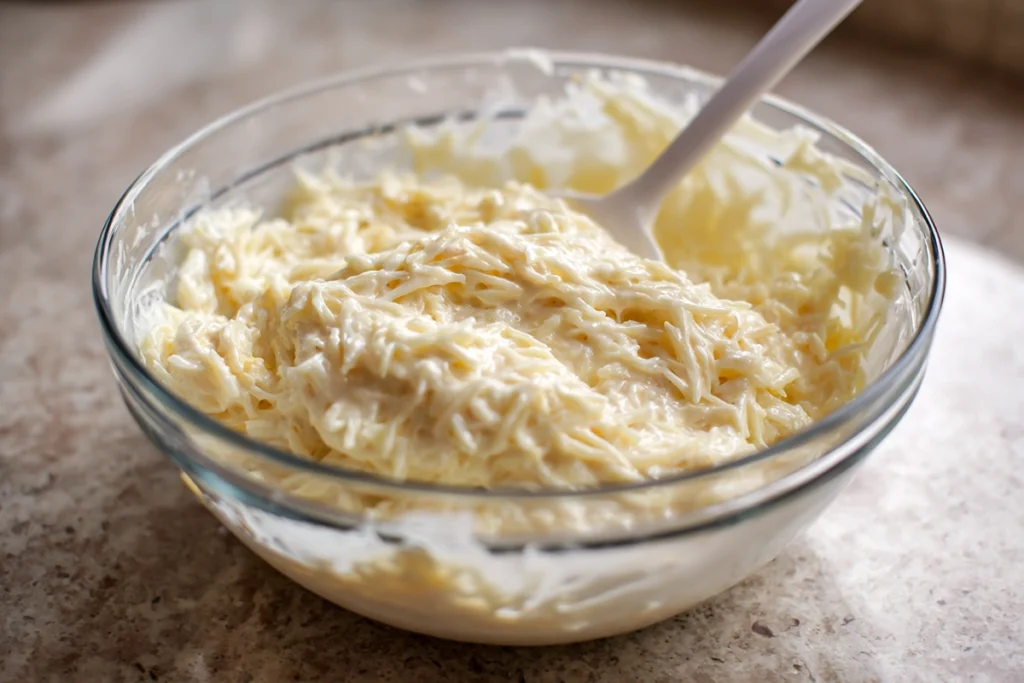
The smell at this stage is your checkpoint. You should catch onion and dairy, but nothing sharp or sour. If it smells flat, it usually means under-seasoned; if it smells heavy, someone went wild with cheese.
Baking Until It Behaves
In the oven, this casserole tells you what it’s doing if you pay attention. About halfway through, you’ll hear a faint sizzle from the edges and see small bubbles forming near the corners. That’s good—that’s heat working its way in evenly.
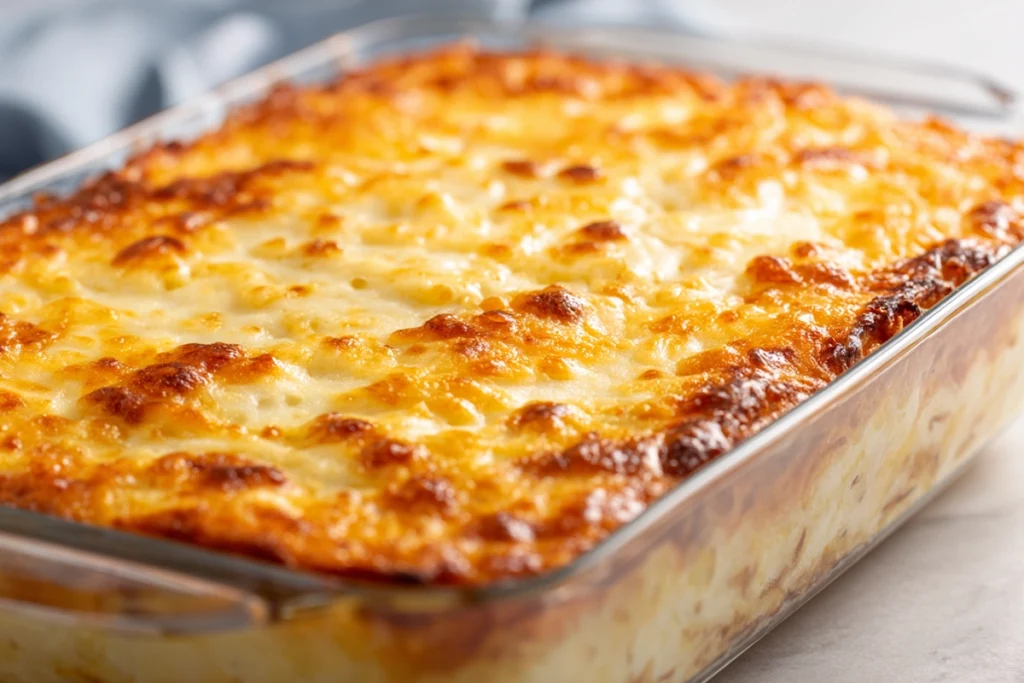
Near the end, the top should look gently puffed, not cracked or dark. When you tap the center with a spoon, it should feel set but still soft, like pressing on a thick mattress. Pull it too early, and it slumps; leave it too long, and the edges go stiff. The smell you’re waiting for is toasted dairy and butter—not sharp, not burnt.
The Uh-Oh Moments (Where This Usually Goes Sideways)
Why Is My Casserole Watery in the Middle?
I did this once by rushing the thaw. The potatoes felt fine on the outside, but ice was hiding inside. In the oven, that ice melts and turns into steam, and suddenly the center won’t set. If the middle looks glossy and loose even after baking, that’s usually the culprit.
Why Is the Top Greasy but the Inside Bland?
This happens when extra cheese gets added “just because.” I get the instinct, but too much cheese separates under heat. You’ll see orange oil pooling on top while the inside tastes muted. Cheese should support the potatoes, not drown them.
Why Did Mine Come Out Dry Around the Edges?
My oven runs hot, and the first time I made this, the corners were stiff before the center was ready. If the edges look dark and feel firm while the middle still jiggles, your oven temperature is off. An oven thermometer saved me from blaming the recipe.
Why Doesn’t Mine Taste Like the Restaurant Version?
Low-fat swaps. I tried it once, thinking no one would notice. Everyone noticed. The texture went thin, the flavor disappeared, and the smell never bloomed the way it should. This casserole depends on fat for structure and flavor—cut it, and the whole thing loses its backbone.
Make It Your Own (Without Breaking It)
Cream of Cheddar Version
If you want this closer to the bolder Cracker Barrel flavor, swap the cream of chicken soup for cream of cheddar. The texture stays the same, but the flavor shifts sharper and more savory. I don’t add extra cheese when I do this—cream of cheddar already brings enough salt and fat, and doubling down makes it heavy fast.
Breakfast Casserole Upgrade
This works well with cooked breakfast sausage or diced ham, but only if it’s browned and dry. When you stir it in, you shouldn’t hear any sizzling or see grease pooling—that’s how you know it won’t leak fat into the casserole. The smell should still be buttery and cheesy, not meaty or smoky.
Onion-Forward Version
If you love that Cracker Barrel onion note, increase the onion slightly and sauté it first. When it turns translucent and smells sweet instead of sharp, it’s ready. Raw onion works, but cooked onion melts in and gives a deeper, rounder flavor.
Lighter (But Still Worth Eating)
Greek yogurt can replace half the sour cream, but not all of it. The texture firms up and the tang gets brighter, which some people like. Go any further than a half swap and the casserole loses its richness and starts to feel more like a potato bake than a comfort dish.
Serving & Storing (Real Life)
I serve this hot, right out of the oven, and I always let it sit for about ten minutes first. That short rest matters—the center finishes setting, and the slices hold together instead of sliding apart. At breakfast, I eat it plain. At dinner, it’s great next to ham or roast chicken, especially when the edges are still soft and buttery.
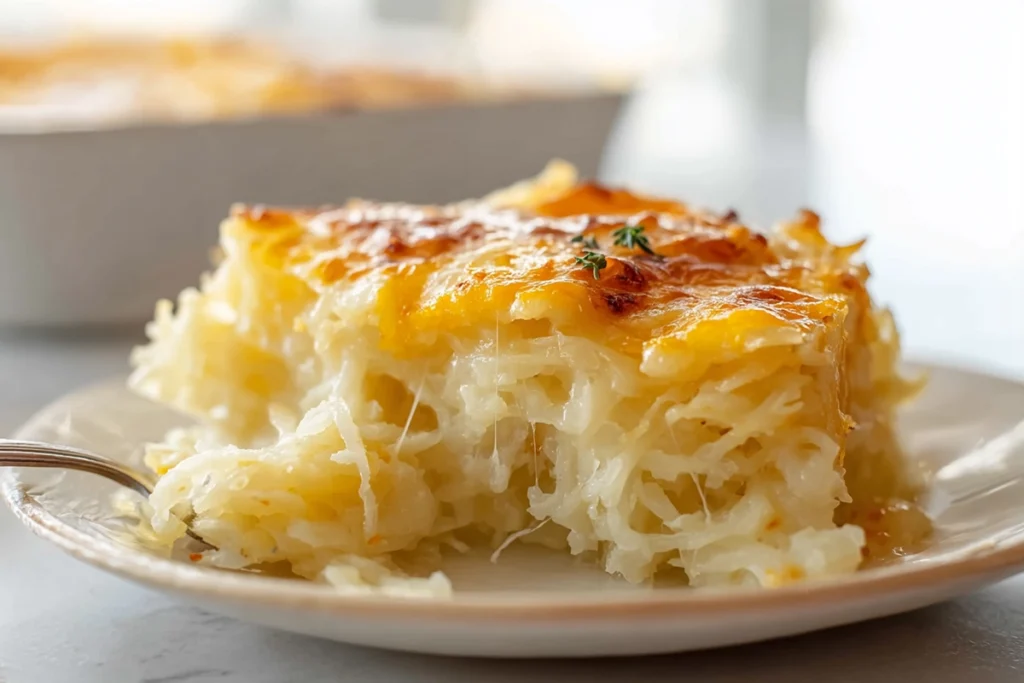
Leftovers are where this casserole really shines. Store it tightly covered in the fridge for up to four days, and expect it to taste better on day two. The flavors settle, the texture firms, and reheating a square in the oven or air fryer brings back that gentle sizzle around the edges. Microwaving works, but you’ll lose the surface texture.
For freezing, slice it first. Wrap individual portions tightly and freeze up to two months. Reheat straight from frozen in the oven until the center feels hot when pressed and the top smells toasted again. Don’t thaw it on the counter—it turns soft and uneven.
One Last Thing
This Hashbrown Casserole works because it respects the ingredients and doesn’t rush the process. When it comes out creamy, bubbling, and smelling like butter and cheese, you’ll understand why this one always pulls people back into the kitchen.
Get inspired with more mouthwatering recipes! Follow me on Pinterest for new cooking ideas every week.
Frequently Asked Questions
Can I make hashbrown casserole ahead of time?
Yes. Assemble it fully, cover it tightly, and refrigerate it up to 24 hours before baking. When it goes into the oven cold, expect it to need an extra 5–10 minutes to heat through and set properly.
Do I really need to thaw the hashbrowns first?
Yes. Frozen hashbrowns release water as they bake, which is why casseroles turn watery in the middle. They should feel cool and damp, not icy or dripping, before you mix them in.
Why is my hashbrown casserole watery in the center?
This almost always comes from excess moisture—either the potatoes weren’t fully thawed and drained, or too many add-ins were added. If the center looks glossy and loose after baking, moisture is the problem, not bake time.
Can I use fresh potatoes instead of frozen?
You can, but it’s more work and less forgiving. Fresh potatoes need to be shredded, rinsed, and squeezed very dry or the texture won’t set. Frozen hashbrowns are more reliable and closer to the restaurant-style result.
What cheese tastes closest to Cracker Barrel’s version?
Colby cheese is the closest match. It melts smoothly and stays mild. Sharp cheddar works too, but it shifts the flavor more aggressively and less classically.
Can I bake this in a smaller dish?
Yes, but it will be thicker and need more time. In a smaller dish, watch the center closely—the edges will brown faster while the middle takes longer to set.
How do I get a lightly crisp top without drying it out?
Bake it uncovered at the correct temperature and stop once the top looks gently puffed and lightly golden. Overbaking for color dries the edges before the center finishes.
Hashbrown Casserole
Ingredients
Method
- Preheat oven and grease a casserole dish.
- Thaw and drain hashbrowns thoroughly.
- Mix hashbrowns with butter, soup, sour cream, onion, cheese, and pepper.
- Spread mixture evenly into baking dish.
- Bake until hot, bubbly, and lightly golden on top.
Notes
- Let casserole rest 10 minutes before serving for best texture.