
Garlic Butter Bread Rolls That Stay Soft and Buttery

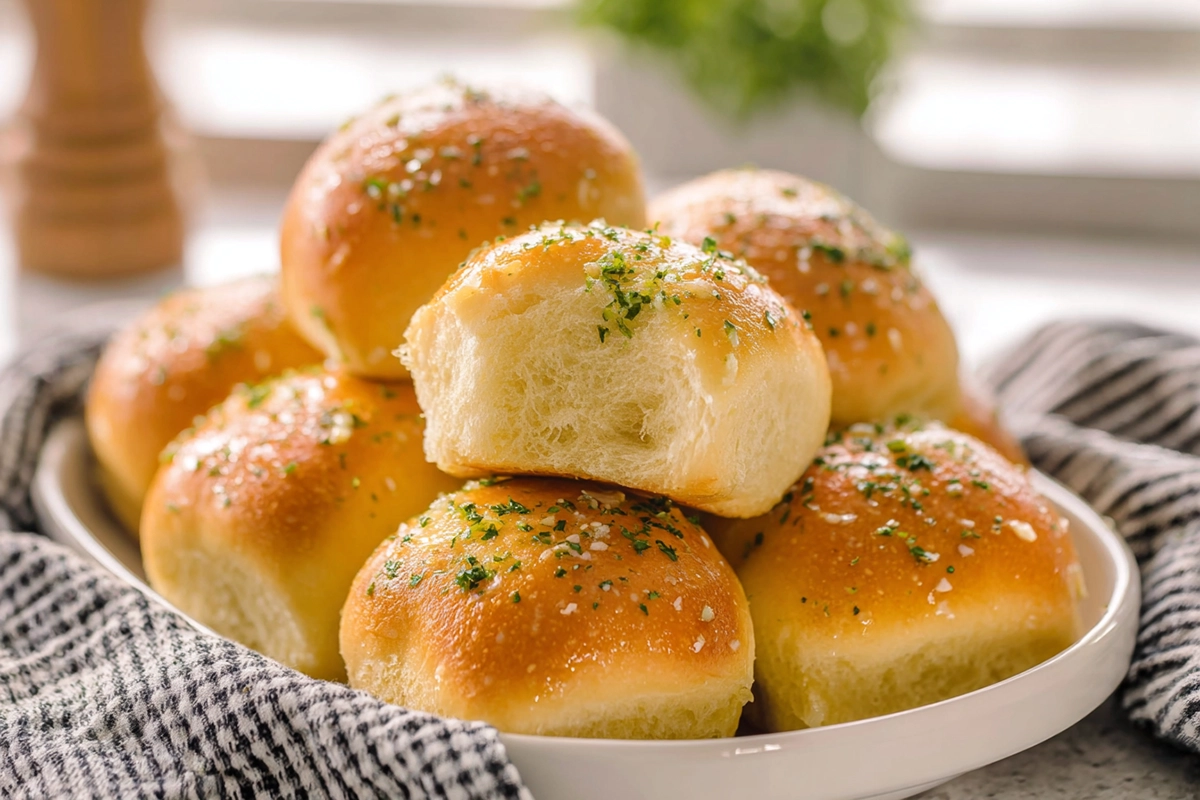
There’s a moment when these rolls come out of the oven that always stops whatever else is happening in the kitchen. The tops are lightly browned, the butter is still bubbling in the pan, and the smell of warm bread and garlic spreads fast. It’s not a sharp garlic smell — it’s mellow, buttery, and rounded, the kind that makes people wander in asking what’s ready.
These Garlic Butter Bread Rolls are pure comfort food, but they’re not fussy. They’re soft through the center, lightly crisp where the dough meets the pan, and finished with a garlic butter that soaks in instead of just sitting on top. They’re the kind of rolls you tear apart while they’re still warm, even if dinner isn’t fully on the table yet.
What makes them reliable is not any trick ingredient — it’s paying attention to the details that actually matter. The temperature of the milk, how the dough feels after kneading, and letting the rolls rise based on size instead of the clock. When those things are right, you get rolls that bake evenly and stay tender instead of drying out or turning dense.
I come back to recipes like this because they deliver the same result every time when you follow the process as written. These rolls work in a normal kitchen, with normal tools, and they don’t require guesswork once you understand why each ingredient is there. That’s what makes them dependable — and worth baking again.
Table of Contents
Ingredients That Make These Rolls Work
Warm Milk
Milk provides moisture and richness, but temperature matters more than people expect. It should feel warm to the touch, not hot — too much heat can weaken the yeast before it ever gets started. Whole milk gives the softest crumb, but skim works if that’s what you keep on hand.
Active Dry Yeast
This recipe relies on active dry yeast blooming properly before it ever touches the flour. If your yeast doesn’t foam after a few minutes in warm milk and sugar, it’s not worth continuing — the dough won’t rise the way it should. Fresh yeast here saves you from dense rolls later.
Bread Flour
Bread flour is the one ingredient I wouldn’t casually swap if you want structure and chew. Its higher protein content gives the rolls strength while still staying soft inside. All-purpose flour will work, but the rolls won’t have the same elasticity or height.
Vegetable Oil
This is not the place to use fancy oil. Plain vegetable oil does its job quietly by keeping the crumb soft and preventing dryness. Olive oil can change the flavor in ways that don’t always pair well with garlic butter.
Egg
The egg adds richness and helps with structure, especially during baking. It also contributes to the soft interior texture without making the dough heavy.
Butter, Garlic, and Parsley
Butter carries flavor and softens the crust once baked. Fresh garlic gives warmth without bitterness, and parsley adds a clean finish. Brushing this mixture on while the rolls are hot is what lets the flavor sink in instead of sitting on the surface.

Bringing Garlic Butter Bread Rolls Together Without Guesswork
Waking Up the Yeast and Building the Dough
This dough starts quietly, and that’s where people rush it. When the warm milk hits the yeast and sugar, look for a light foam forming on the surface within a few minutes — that’s your visual confirmation that things are alive and working. You should smell a faint, clean bread aroma, not sour or sharp. If you touch the liquid, it should feel comfortably warm, like bath water, never hot.
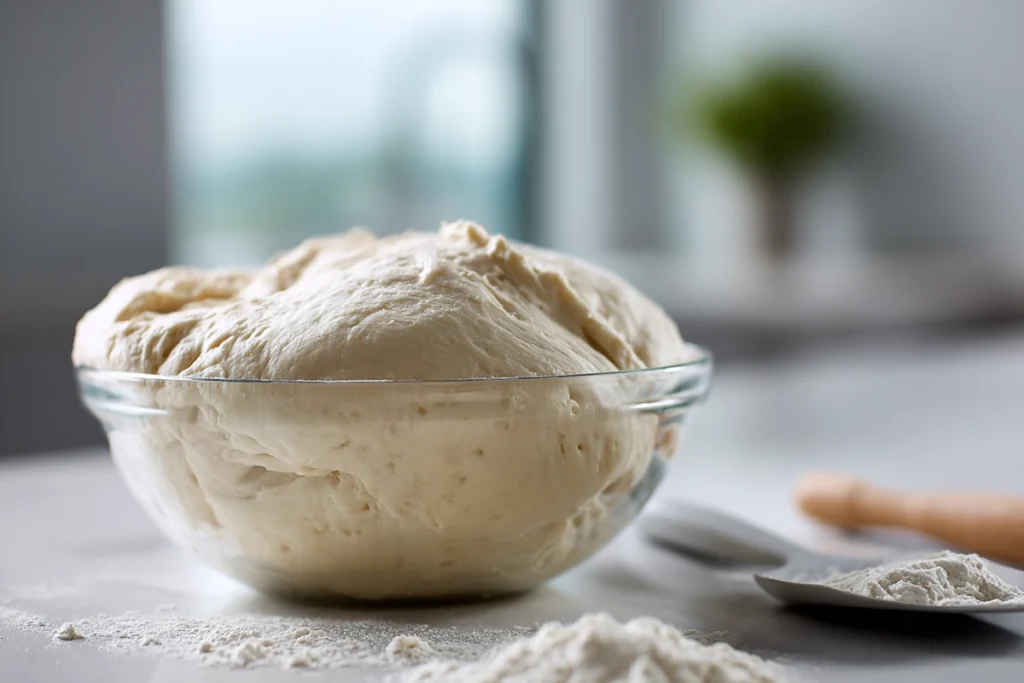
As the flour comes in and the dough forms, pay attention to texture. It should pull together into a soft mass that feels tacky, like a Post-it note, but not wet like glue. When kneading, listen for the dough to start slapping lightly against the bowl or counter — that sound tells you the gluten is developing. Visually, the dough will smooth out and lose its rough, torn look as it becomes elastic.
The Rise That Sets the Texture
The first rise is where structure is built, not speed. Once the dough is resting, lightly oiled and covered, it should slowly expand until it triples in size. Look for rounded edges pressing upward rather than spreading outward. When you press a finger gently into the dough, it should spring back slowly, leaving a slight indentation.
Smell matters here too. Properly risen dough smells clean and slightly sweet, never alcoholic. If your kitchen is cool, the rise will take longer — and that’s fine. The dough doesn’t care about the clock; it responds to warmth and time. Let size be your guide, not minutes.
Shaping and the Second Rise
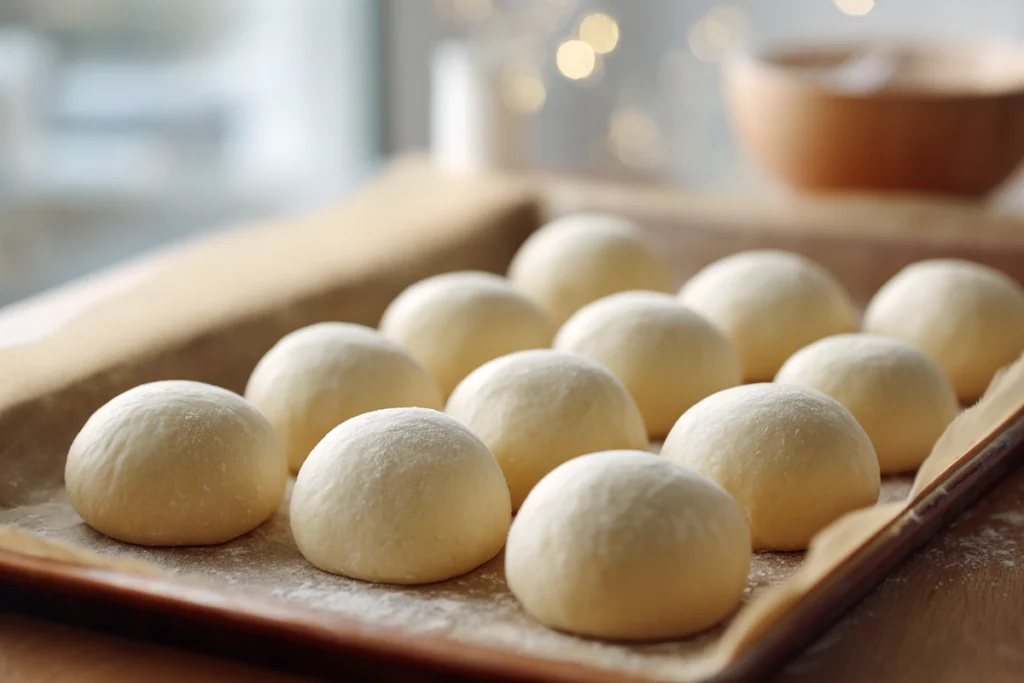
When dividing the dough, consistency matters more than perfection. Evenly sized pieces bake at the same rate, so you don’t end up with pale rolls next to overbrowned ones. As you roll each piece, the dough should feel soft and cooperative, not tight or springy. If it fights back, it needs another minute to relax.
Once arranged in the pan, the second rise should bring the rolls just close enough to touch. Look for gentle puffing and softened seams between them. When you lift the pan, it should feel light in your hands. You’ll notice a subtle bread aroma again — that’s your cue that the oven is next.
Baking and the Garlic Butter Finish
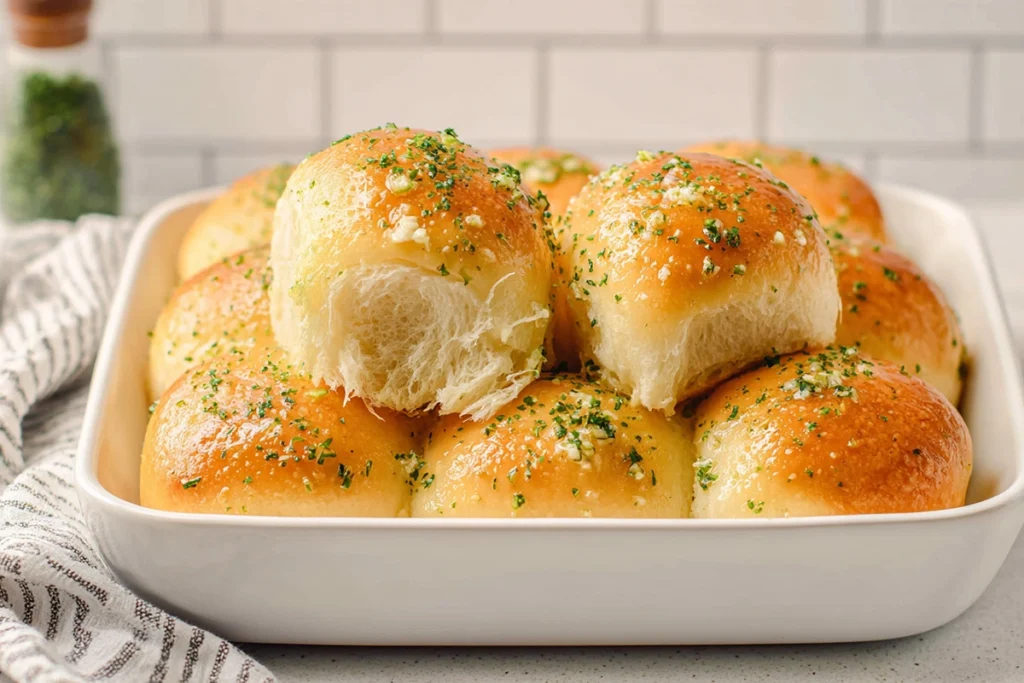
As the rolls bake, listen for a quiet sizzle as the egg wash sets and the tops begin to color. Visually, you’re looking for even golden browning, not deep brown patches. The kitchen should smell like warm bread first, then slowly shift toward toasted notes.
The garlic butter comes together quickly, and timing matters. When the butter melts, stop heating as soon as you smell garlic — browned garlic turns bitter fast. Brushing it onto the rolls straight out of the oven lets the butter soak in while the crust is still flexible. You’ll see the surface glisten, and the smell will deepen into that unmistakable garlic-butter comfort.
Where Garlic Butter Bread Rolls Usually Go Sideways
When the Dough Feels Sticky and Won’t Cooperate
If the dough clings to your hands like glue, it usually means too much liquid or not enough kneading. Sticky dough looks shiny and wet instead of soft and matte. Add only a light dusting of flour and keep kneading — you should feel it tighten slightly and become smoother as the gluten develops.
When the Rolls Don’t Rise the Way They Should
Under-risen rolls look dense and squat, while over-risen ones collapse easily. If the dough smells overly yeasty or alcoholic, it’s gone too far. Watch the volume and texture instead: the dough should feel airy and elastic, not fragile. A gentle finger press is more reliable than any timer.
When the Tops Brown Too Fast
If the rolls are deeply golden before they’re fully baked, your oven is likely running hot. You’ll notice a strong toasted smell early and uneven coloring on the tops. Shield them loosely with foil and let the centers finish baking — the sound should be hollow when tapped lightly.
When the Garlic Flavor Turns Sharp
Garlic burns faster than people expect. If the butter smells harsh or bitter, it was overheated. Fresh garlic should smell mellow and sweet when warmed, not sharp. Stop heating as soon as the butter melts, and let residual heat do the rest.
Make These Rolls Fit Your Table
Parmesan-Garlic Finish
If you want a slightly sharper, more savory edge, add finely grated Parmigiano-Reggiano to the garlic butter just before brushing. Use a microplane and keep the amount modest — about a tablespoon is enough for the whole pan. Visually, you’ll see the butter turn slightly cloudy as the cheese melts, and the smell shifts from buttery to nutty. Pre-grated Parmesan doesn’t melt the same way and tends to sit gritty on the surface, so this is one place where the real block matters.
Herb Swap That Actually Works
Parsley is clean and mild, which is why it works so well here. If you want to change it, chives are the safest swap. They soften immediately in the warm butter and give a gentle onion note without overpowering the bread. When chopped fresh, they should smell grassy and mild, not sharp. Avoid woody herbs like rosemary — they don’t soften enough and interrupt the soft bite of the rolls.
Whole Wheat Adjustment (With Real Expectations)
Whole wheat flour can replace up to half of the bread flour if you want more structure and a nuttier flavor. Expect the dough to feel slightly firmer and less elastic under your hands. The finished rolls will be denser and less fluffy, so brush them generously with garlic butter while hot to keep the crust from tightening as they cool.
Serving and Storing Garlic Butter Bread Rolls
I eat these warm, straight from the pan, usually with just the garlic butter already on them. They’re perfect alongside soups, roasted meats, or even as a stand-alone snack while dinner finishes. When fresh, the rolls should tear easily and release steam — that’s when they’re at their best.
For storage, keep them at room temperature in a sealed container for up to two days. Don’t refrigerate them; cold air dries bread out fast and kills the texture. If you’re freezing, let the rolls cool completely, then wrap them tightly. If you know you’ll want single portions later, separate or slice them before freezing — frozen bread is hard to break cleanly.
To reheat, a low oven or air fryer brings them back to life. Two minutes in an air fryer restores the soft center and lightly crisps the edges again. If reheating from frozen, wrap loosely in foil and warm slowly so the inside heats without drying out.
When Simple Comfort Is the Goal
There’s something grounding about baking bread that fills the kitchen with warmth and pulls people in without effort. These Garlic Butter Bread Rolls do exactly that — soft, dependable, and comforting in the way only warm bread can be.
Get inspired with more mouthwatering recipes! Follow me on Pinterest for new cooking ideas every week.
Frequently Asked Questions
Can I make the dough ahead of time and bake later?
Yes. After the first rise, you can cover the dough tightly and refrigerate it overnight. The next day, let it sit at room temperature until it’s soft and slightly puffy before shaping. Cold dough feels stiff and won’t rise evenly if you rush it.
Why didn’t my dough triple in size during the first rise?
Most of the time, the room was too cool or the yeast was weak. The dough should smell lightly sweet and look airy, not dense. If it hasn’t grown enough, give it more time — rising is about volume, not the clock.
Can I use all-purpose flour instead of bread flour?
Yes, but expect a difference. All-purpose flour makes rolls that are softer but slightly flatter and less chewy. They’ll still taste good, just with less structure. Bread flour gives more height and a better pull-apart texture.
How warm should the milk be for the yeast?
Warm to the touch, not hot — about the temperature of a comfortable bath. If the milk feels hot on your finger, it’s too hot and can weaken the yeast. You should see light foam forming within a few minutes.
Why is the garlic butter brushed on after baking instead of before?
Garlic burns quickly in the oven. Brushing the butter on after baking keeps the garlic mellow and lets the butter soak into the hot rolls instead of frying on the surface.
Can I freeze Garlic Butter Bread Rolls?
Yes, they freeze well. Let them cool completely, then freeze in a sealed bag. Slice or separate them first — if you freeze them as one solid block, they’re difficult to reheat evenly.
Print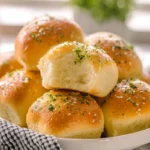
Garlic Butter Bread Rolls
- Prep Time: 25 minutes
- Cook Time: 25 minutes
- Total Time: 2 hours 15 minutes
- Yield: 16 rolls 1x
- Category: Bread
- Method: Baking
- Cuisine: American
- Diet: Halal
Description
Soft, warm Garlic Butter Bread Rolls with a fluffy center and rich garlic butter topping. Clear steps, simple ingredients, and dependable results.
Ingredients
- 1 cup warm milk
- 1½ tsp sugar
- 1 tbsp active dry yeast
- 3 tbsp vegetable oil
- 1 large egg
- 1 tsp salt
- 3 cups bread flour
- 1 egg
- 1 tbsp butter
- 1 clove garlic
- 1 tbsp fresh parsley
Instructions
- Bloom yeast in warm milk with sugar.
- Mix yeast mixture with egg, oil, and salt.
- Add flour and knead until smooth.
- Let dough rise until tripled in size.
- Divide dough and shape into rolls.
- Bake until golden.
- Brush with garlic butter while hot.
Notes
- Measure ingredients accurately.
- Use fresh active yeast.
- Brush rolls with garlic butter immediately after baking.
Nutrition
- Serving Size: 1 roll
- Calories: 210
- Sugar: 4
- Sodium: 230
- Fat: 8
- Saturated Fat: 3
- Unsaturated Fat: 5
- Trans Fat: 0
- Carbohydrates: 30
- Fiber: 1
- Protein: 6
- Cholesterol: 35