
The Chickpea Feta Avocado Salad That Never Lets Me Down

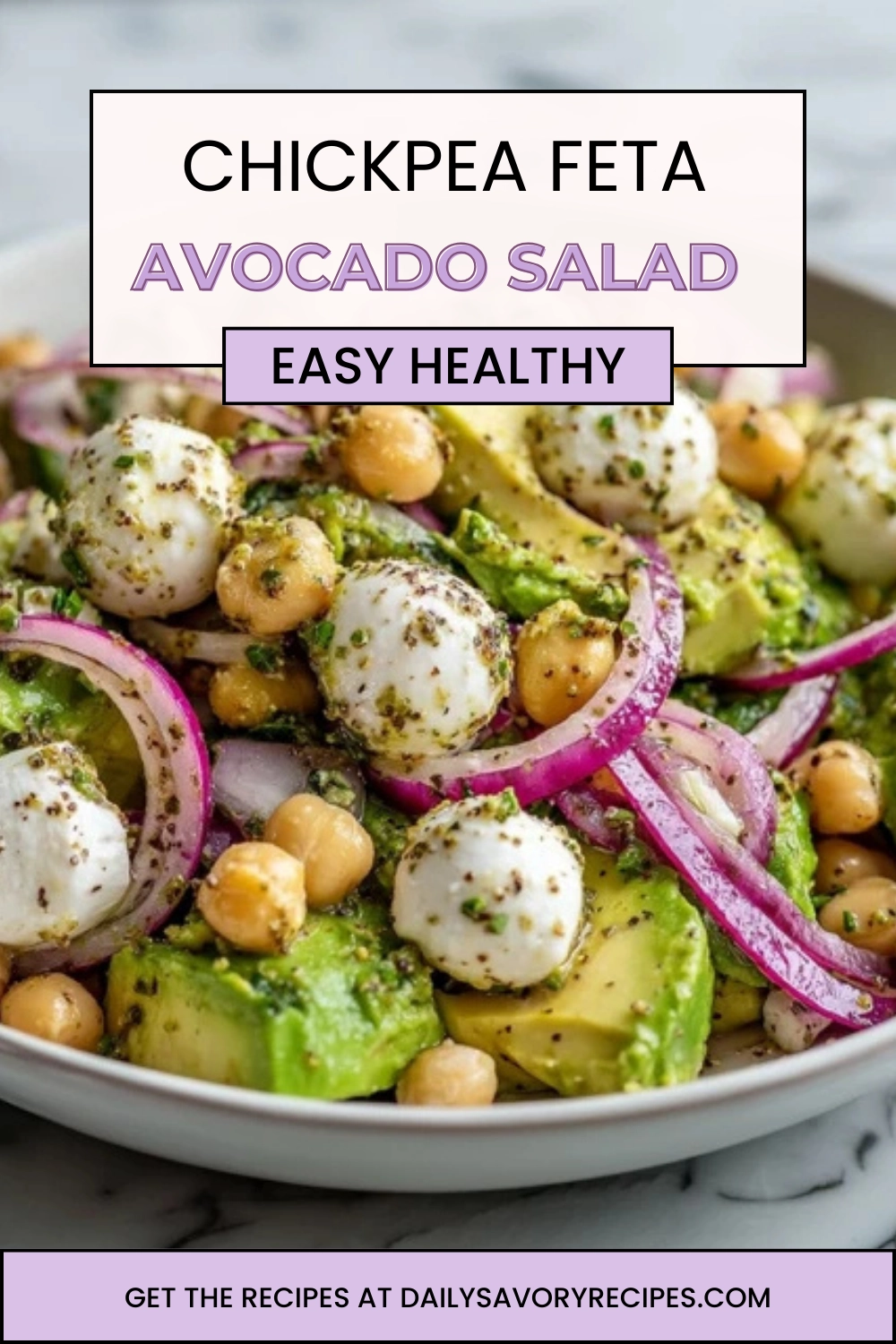
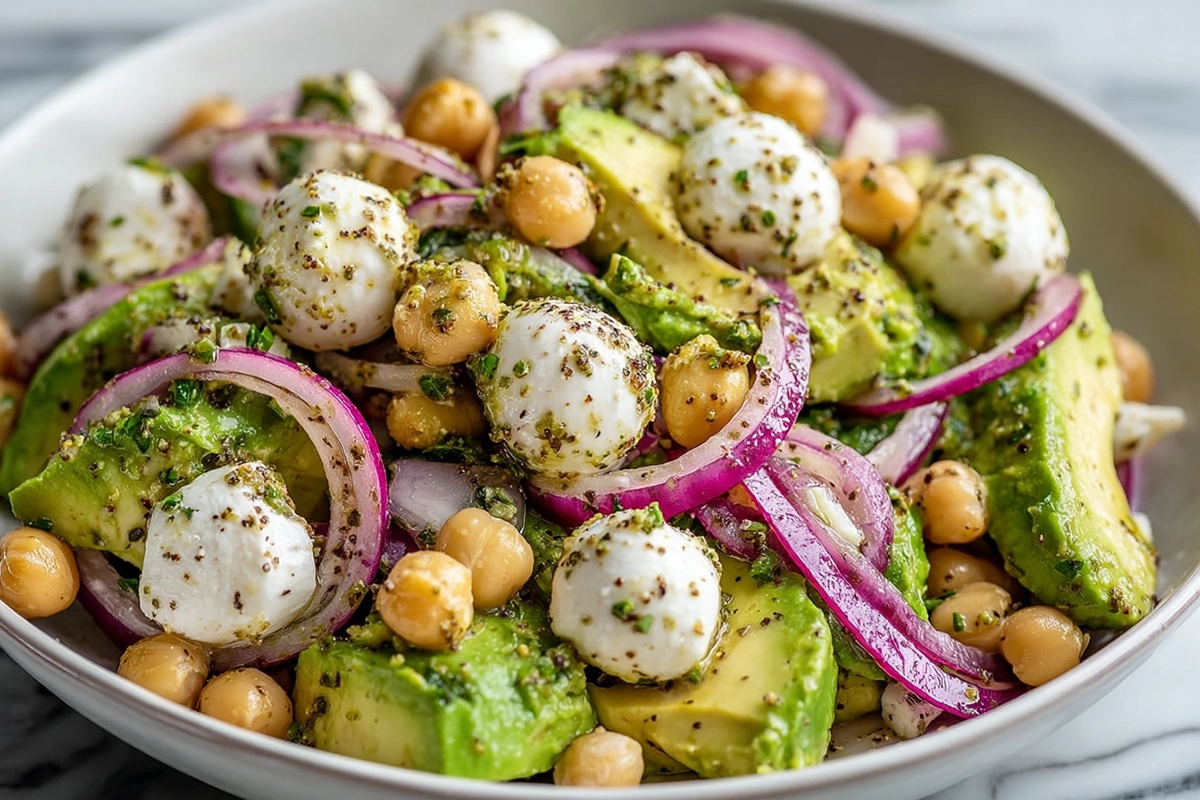
Chickpea Feta Avocado Salad is one of those recipes I come back to when I want something cold, creamy, and bright—but still filling enough to count as real food. You get the buttery softness of avocado, the salty punch of feta, and chickpeas that actually feel satisfying, not like an afterthought. Add fresh lime and herbs, and suddenly you’re not “eating a salad,” you’re eating something you want to keep scooping up.
Here’s the problem with most versions of this salad: they’re sloppy. Too much lime turns it sour. Cheap feta melts into nothing. Underripe avocados make the whole bowl feel unfinished. And worst of all, people stir it as it owes them money, turning a clean, chunky salad into mashed regret. On paper, it’s a five-minute recipe—but without restraint, it falls apart fast.
This version works because it’s built on restraint and respect for the ingredients. I’m not throwing things in a bowl and hoping for the best. Every ingredient here has a job, and if one of them is off, you’ll taste it immediately. My promise is simple: if you start with the right ingredients and understand why they’re here, this salad delivers every single time—no fuss, no gimmicks, no “healthy but sad” energy.
Table of Contents
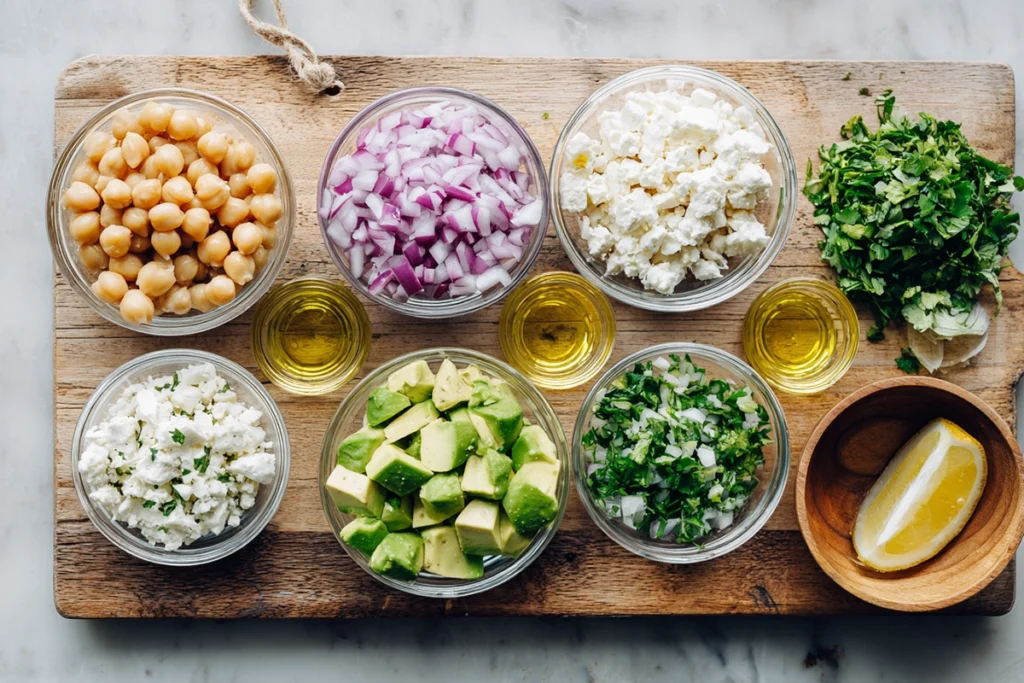
The No-Regret Ingredients
Chickpeas
Canned chickpeas are perfectly fine here—this is not the place to soak beans overnight. What does matter is rinsing them thoroughly to remove that canned liquid, which dulls flavor and makes the salad taste flat. I like brands with firmer beans, because soft chickpeas break down too quickly once mixed.
Avocados
This recipe lives or dies on avocado ripeness. You want avocados that yield slightly to pressure but aren’t collapsing inside—too firm and they taste green, too soft and they smear everywhere. If your avocado has brown streaks, save it for toast and wait a day for this salad.
Feta Cheese
Use block feta in brine if you can find it. Pre-crumbled feta is dry and oddly sweet, and it disappears instead of holding its shape. I want salty little bursts in every bite, not feta dust.
Fresh Cilantro
Cilantro brings brightness and contrast to the richness of the avocado and feta. If you’re cilantro-averse, parsley works, but don’t skip herbs entirely—this salad needs something green and fresh to keep it awake.
Green Onion
Green onions give you onion flavor without harshness. Raw red onion is too aggressive here and overpowers the avocado. Slice the green onion thin so it blends instead of shouting.
Lime Juice
Fresh lime juice only—no bottles. It adds acidity, keeps the avocado from browning too fast, and pulls everything together. Start light; you can always add more, but you can’t take it back.
Salt & Black Pepper
Feta is salty, but it’s not enough on its own. A light hand with salt sharpens everything, and black pepper adds just enough bite without turning this into a spice experiment.
The Process (How This Comes Together Without Turning to Mush)
Build the Base Before Anything Soft Goes In
I always start with the chickpeas in a medium bowl, and I take a second to look at them. They should be dry-looking, not glossy or slick, because excess moisture is the enemy here. When you stir them, you want to hear that soft, dull tapping against the bowl—not a wet slosh. This is your foundation, and if it’s watery, everything that comes after slides downhill.
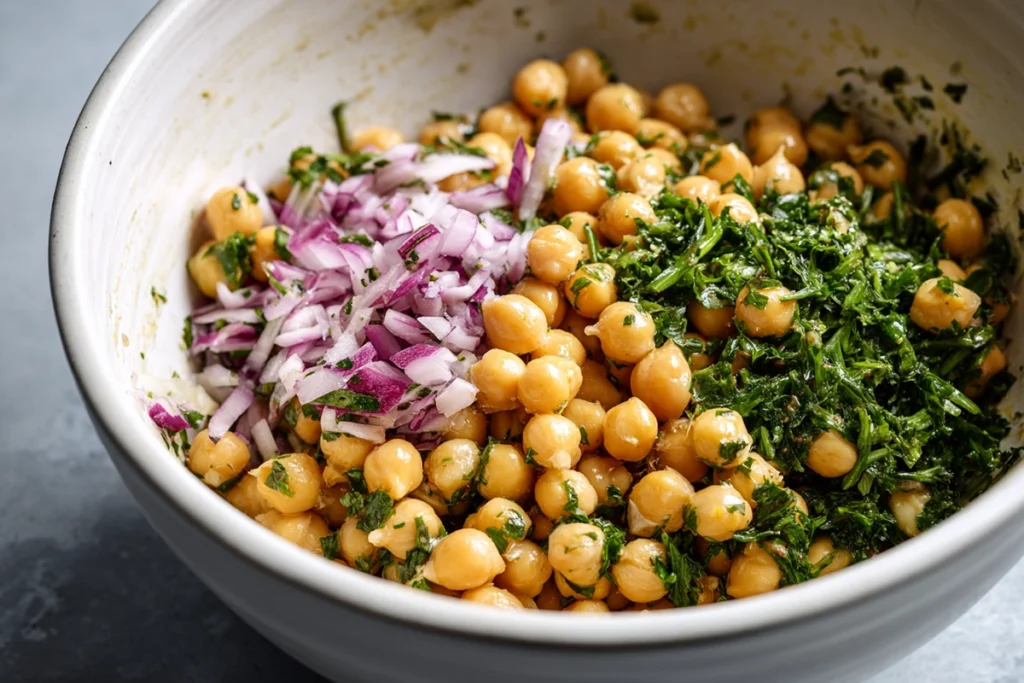
Once the chickpeas are in, this is when the lime juice goes in—not later. You’ll smell that sharp citrus hit immediately, and that’s good. It wakes the beans up and gives them flavor before anything delicate joins the party. Toss gently and stop as soon as they look lightly coated, not swimming.
Folding in the Avocado Without Crushing It
This is where restraint matters. When the avocado goes in, I switch from stirring to folding, using a broad spoon or spatula. You should feel the avocado hold its shape as you move it—soft but not collapsing. Visually, you’re aiming for clean chunks with lightly coated edges, not green streaks smeared around the bowl.
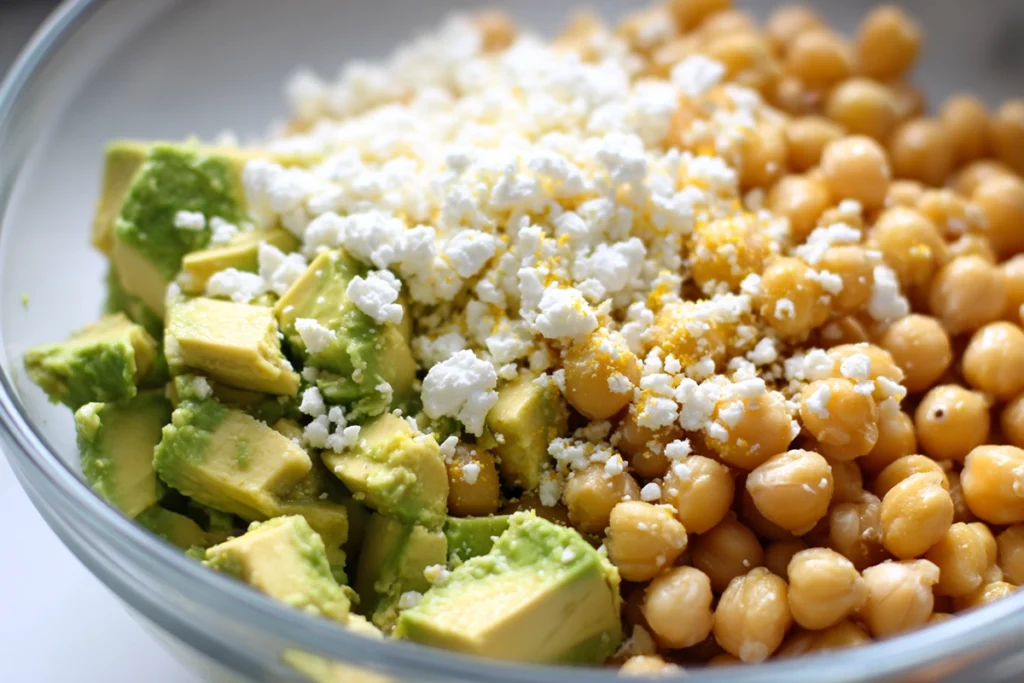
If you hear squishing sounds, you’re being too aggressive. Pause. The avocado should smell fresh and grassy, not overly ripe or fermented. If it starts to look glossy and mashed, you’ve gone too far, and there’s no reversing that.
Finishing with Feta and Herbs
Feta and herbs go in last for a reason. As soon as they hit the bowl, you’ll smell that salty, briny feta mixed with fresh green notes from the cilantro. That’s your signal to slow down. Fold just until you see the white feta distributed and the herbs evenly scattered—no more.
The texture at this point should feel chunky and cohesive, not loose. When you drag a spoon through the salad, it should part cleanly and fall back gently, not ooze. This is where I taste and adjust seasoning, listening for that quiet crunch from the chickpeas and feeling the balance land just right.
The Uh-Oh Moments (Where People Mess This Up)
Why Does Mine Turn Into Guacamole?
I learned this the hard way after aggressively stirring while distracted. If your salad looks smeared and green instead of chunky, you overworked the avocado. The fix is prevention: fold slowly, watch the texture, and stop the second it looks combined. If you hear squishing or feel resistance disappear under your spoon, you’ve crossed the line.
Why Does It Taste Flat Even With Feta?
This usually means the chickpeas weren’t seasoned early enough. Adding salt only at the end doesn’t penetrate them, and the salad tastes hollow. I know because my first batch tasted like avocado with accessories. Season the chickpeas lightly before the avocado goes in, and the whole bowl wakes up.
Why Is It Watery After Sitting?
This happens when the chickpeas weren’t rinsed well or the avocado was overripe. Excess moisture seeps out as it rests, and suddenly you’ve got puddles at the bottom of the bowl. I now drain chickpeas until they look matte and use avocados that still hold their shape when cut. If it looks wet early, it’ll be worse later.
Why Is the Lime Overpowering?
Lime is sharp, and once it’s in, it’s in. I ruined a batch by squeezing the whole lime without tasting first. Start with less than you think you need. When the salad smells fresh and bright—but not acidic—you’re there. If your nose wrinkles when you lean in, you’ve gone too far.
Make It Your Own (Only the Good Ideas)
Tomato-Cucumber Summer Version
If you’re making this in peak summer, a handful of chopped cherry tomatoes and diced English cucumber works beautifully—but only if they’re dry. I seed the cucumber and blot everything with a towel first, or the salad turns watery fast. The flavor is brighter and lighter, but the tradeoff is shelf life; this version really wants to be eaten the same day.
Mediterranean-Style with Olives
A small amount of sliced Kalamata olives adds depth and makes the salad feel more “dinner-worthy.” Go easy—olives are salty, and too many will bulldoze the feta. I skip extra salt entirely when I do this and rely on taste, not habit.
Vegan-Friendly (Still Worth Eating)
If you ditch the feta, you need something to replace the salt and richness or the salad falls flat. A drizzle of good olive oil and a pinch of flaky salt helps, but the real fix is adding finely chopped capers. They give you that briny pop without pretending to be cheese.
Protein Boost That Makes Sense
Grilled chicken or shrimp works if—and only if—it’s simply seasoned. I keep it salt, pepper, and maybe a touch of cumin. Anything heavily spiced or sauced competes with the avocado and turns the salad muddy instead of balanced.
Serving & Storing (Real Life Advice)
I eat this straight from the bowl more often than I care to admit, but it’s excellent spooned onto toasted sourdough or tucked into a warm pita. It also holds its own next to grilled chicken or salmon, especially when you want something cool to balance heat. If you’re serving it to people, let it sit out for five minutes—cold avocado is muted, and this wakes up slightly at room temp.
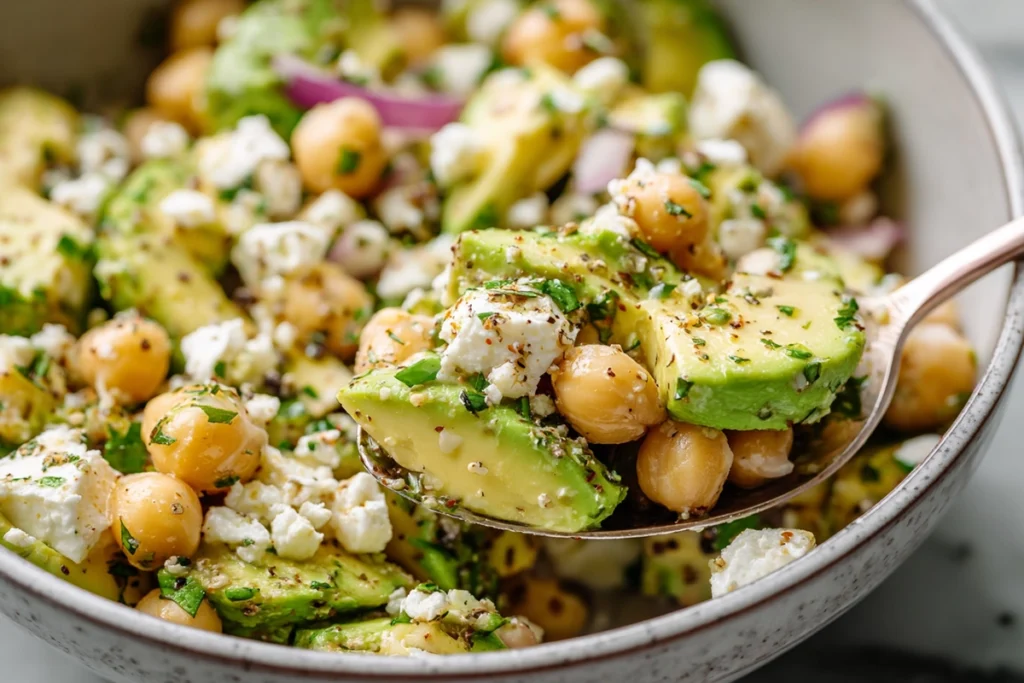
For storing, an airtight container in the fridge, no exceptions. It’ll keep for about two days, but understand this going in: the texture softens, and the avocado darkens a bit. It’s still edible, still tasty, just less pretty. I don’t freeze this—avocado turns grainy and sad, and life’s too short for that kind of disappointment.
This Chickpea Feta Avocado Salad is one of those recipes that proves simple doesn’t mean careless. When the ingredients are right, and you treat them with respect, ten minutes is all it takes to get something fresh, filling, and worth repeating.
Get inspired with more mouthwatering recipes! Follow me on Pinterest for new cooking ideas every week.
Frequently Asked Questions
Can I make this Chickpea Feta Avocado Salad ahead of time?
Yes—but only partially. You can prep everything except the avocado a few hours ahead and keep it chilled. Cut and fold in the avocado right before serving, or it softens and darkens faster than you want.
How do I keep the avocado from turning brown?
Fresh lime juice is doing most of the work here. Make sure the avocado is fully coated, then store the salad in an airtight container with plastic wrap pressed directly against the surface. It won’t stay bright green forever, but this slows things down.
Can I add protein without ruining the texture?
Yes, as long as it’s simply cooked. Plain grilled chicken or shrimp works well if it’s cooled and lightly seasoned. Anything saucy or heavily spiced overwhelms the avocado and throws off the balance.
Is there a good substitute for feta cheese?
If you need a swap, use block goat cheese and crumble it yourself. It’s creamier and milder, so the salad will taste richer but less salty. Avoid pre-crumbled cheeses—they disappear instead of holding shape.
Does this salad work for meal prep?
It’s better for same-day eating. You can stretch it to two days in the fridge, but expect softer texture and darker avocado on day two. If meal prep matters, keep the avocado separate until you’re ready to eat.
Can I freeze this salad?
No. Avocado does not freeze well—it turns grainy and watery when thawed. This is one of those recipes meant for the fridge and a short timeline, not the freezer.
PrintChickpea Feta Avocado Salad
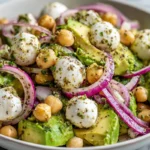
A fresh and creamy Chickpea Feta Avocado Salad made with ripe avocados, salty feta, chickpeas, fresh herbs, and lime juice. Ready in just 10 minutes, it works as a light lunch or easy side dish.
- Prep Time: 10 minutes
- Cook Time: 0 minutes
- Total Time: 10 minutes
- Yield: 4 servings 1x
- Category: Salad
- Method: No Cook
- Cuisine: American
- Diet: Vegetarian
Ingredients
15 ounces chickpeas, rinsed and drained
2 avocados, pitted and chopped
1/3 cup feta cheese, crumbled
1/3 cup fresh cilantro, chopped
2 tablespoons green onion, sliced
Juice of 1 lime
Salt, to taste
Black pepper, to taste
Instructions
Add the rinsed and drained chickpeas to a medium bowl and toss with lime juice.
Gently fold in the avocado pieces, taking care not to mash them.
Add feta cheese, cilantro, and green onion.
Season with salt and black pepper and fold gently until combined.
Serve immediately or chill briefly before serving.
Notes
For best texture, use ripe but firm avocados.
Store leftovers in an airtight container in the refrigerator for up to 2 days.
This salad is best enjoyed fresh and does not freeze well.
Nutrition
- Serving Size: 1 cup
- Calories: 369
- Sugar: 6 g
- Sodium: 155 mg
- Fat: 20 g
- Saturated Fat: 4 g
- Unsaturated Fat: 14 g
- Trans Fat: 0 g
- Carbohydrates: 39 g
- Fiber: 15 g
- Protein: 13 g
- Cholesterol: 11 mg