
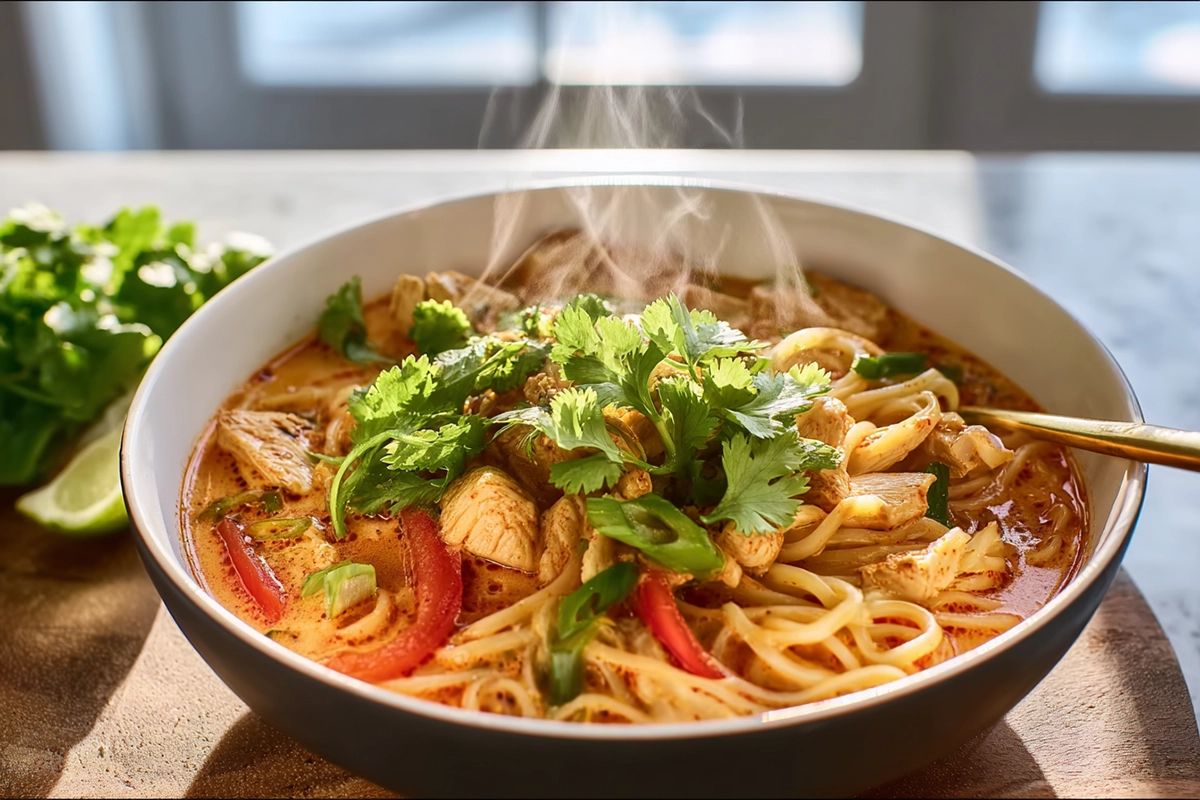
Thai Red Curry Noodle Soup That Actually Hits the Spot

There’s a very specific moment when this soup comes together. The red curry paste warms in the pot, coconut milk softens the heat, and suddenly the kitchen smells rich, savory, and slightly sweet all at once. It’s the kind of aroma that makes you slow down and grab a spoon before anyone else notices. That first inhale tells you this isn’t just another noodle soup — it’s comforting in a way that feels intentional.
What I like about Thai Red Curry Noodle Soup is how balanced it is when it’s done right. It’s creamy without being heavy, spicy without being aggressive, and fresh enough that you don’t feel weighed down afterward. Lime juice and herbs at the end matter just as much as the curry and coconut milk at the beginning. Miss one of those details, and the soup feels flat. Get them right, and it tastes like something you’d happily order again.
This is also a practical, repeatable dinner. The ingredient list is approachable, the timing is realistic, and everything cooks in one pot without shortcuts that hurt the final texture. The goal here isn’t to recreate restaurant drama — it’s to make a bowl of soup that’s dependable, comforting, and consistent every time you cook it. Once you understand why each ingredient is there, this becomes a recipe you can rely on when you want something warm, flavorful, and deeply satisfying.
Table of Contents
Ingredients That Build Real Flavor
Chicken Breasts
Boneless, skinless chicken breasts work well here because they stay tender when cooked gently in the broth. Cut them into even, bite-sized pieces so they cook at the same rate and don’t dry out. Thighs can be used, but they’ll make the soup richer and slightly heavier.
Red Curry Paste
This is the backbone of the soup, and quality matters. Thai brands tend to be more balanced and aromatic than generic grocery versions, which can taste flat or overly salty. Start with the measured amount — you can always add more heat later, but you can’t take it out.
Coconut Milk
Full-fat coconut milk gives the soup body and smoothness. Light versions often separate and don’t carry flavor as well. Shake the can before opening, and avoid brands with lots of stabilizers if possible — cleaner ingredients usually mean better texture.
Chicken Broth
Low-sodium broth is important here. The curry paste and fish sauce already bring salt, and starting with a salty broth limits your ability to adjust. A lighter broth also lets the coconut and curry flavors come through clearly.
Rice Noodles
Thin rice noodles cook quickly and soak up flavor without overpowering the soup. They also keep the texture lighter than wheat noodles. Avoid very thick rice noodles unless you adjust timing carefully — they can turn gummy fast.
Fish Sauce
This doesn’t make the soup taste “fishy.” It adds depth and savoriness that salt alone can’t provide. A little goes a long way, and it’s essential for balance in a curry-based soup.
Fresh Lime, Cilantro, and Basil
These are not garnish — they’re structural. Lime brightens the richness, while cilantro and basil add freshness that keeps the soup from feeling heavy. Add them at the end so they stay vibrant and aromatic.

How This Thai Red Curry Noodle Soup Comes Together
Building Flavor in the Pot
Everything starts with heat control. When the oil goes into the pot, you want it warm enough that the chicken sizzles the second it touches the surface — not a violent crackle, but a steady hiss. Look for light golden edges forming on the chicken pieces, and listen for that consistent sizzle that tells you moisture is cooking off instead of steaming. The smell at this stage should be savory and clean, not sharp or burnt.
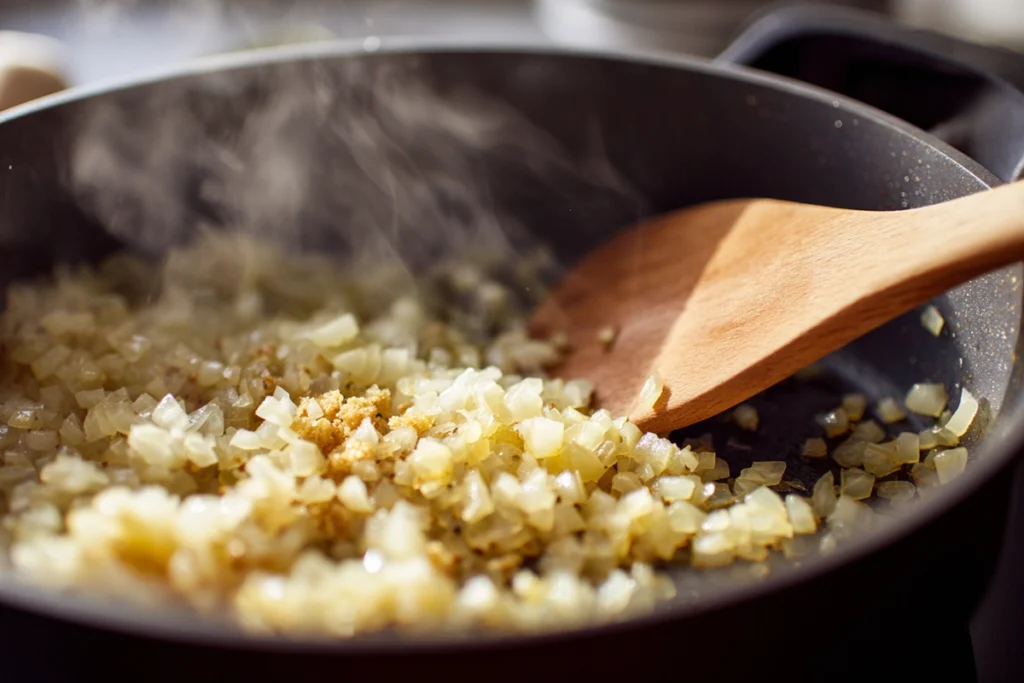
Once the chicken comes out, the aromatics go in while the pot is still hot. The onions should soften and turn glossy, not brown. When the garlic and ginger hit the heat, the smell changes quickly — warm, slightly sweet, and fragrant. That’s your cue to move on. Red curry paste needs just enough time to darken slightly and bloom; you’ll see it loosen and smell deeper and rounder, not raw or chalky.
Letting the Broth Do the Work
When the broth and coconut milk are added, the sound drops from a sizzle to a gentle simmer. Scrape the bottom of the pot and look for any browned bits releasing — that’s flavor dissolving back into the soup. As it simmers, the surface should show small, lazy bubbles, not a rolling boil. The texture should look creamy but fluid, coating the back of a spoon without feeling thick.
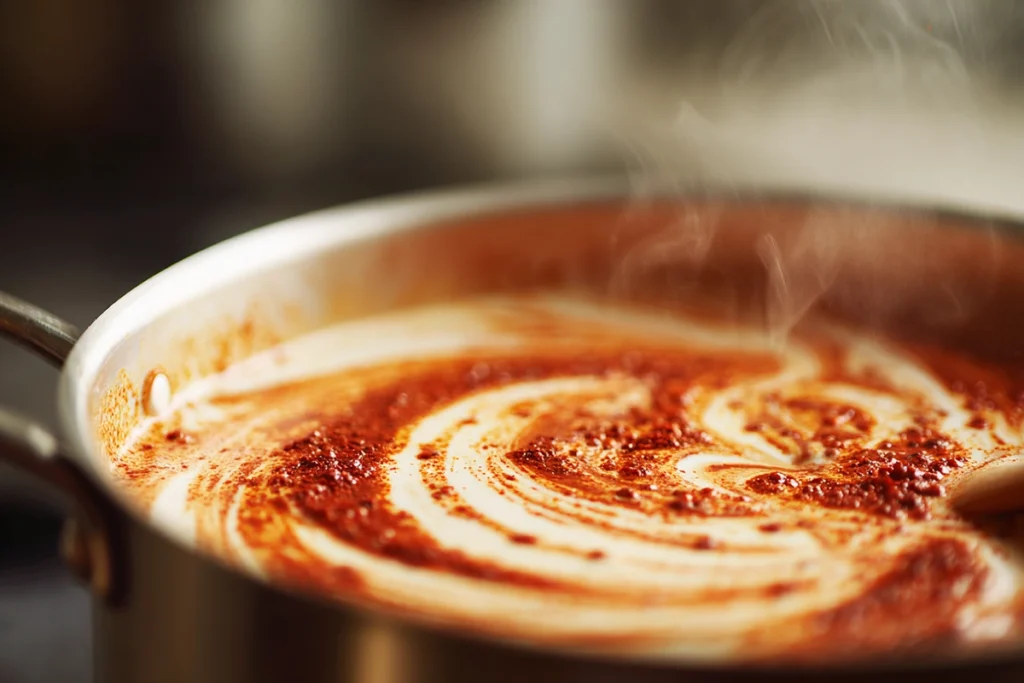
This is where patience matters. Letting the soup reduce slightly concentrates the curry and coconut without overpowering the broth. The smell should feel cohesive — savory, lightly sweet, and aromatic — not sharp or oily. If it smells flat here, it won’t fix itself later.
Noodles and the Final Finish
Rice noodles change fast. When they go in, press them gently under the surface and watch how quickly they soften. They should bend easily but still have a slight bite when you pinch one between your fingers. Overcooked noodles feel mushy and make the broth cloudy.
The final additions happen off the heat for a reason. When lime juice, cilantro, and basil go in, the aroma should immediately lift — bright, fresh, and slightly citrusy. You should smell herbs first, not curry. That contrast is what keeps the soup comforting without feeling heavy.
Where This Soup Can Go Wrong
When the Curry Tastes Flat
If the soup tastes dull, it’s usually because the curry paste didn’t get enough heat early on. Curry paste needs to warm in oil to release its flavor. If it smells faint or raw, the base won’t develop depth later, no matter how long it simmers.
Mushy Noodles in the Pot
Rice noodles don’t forgive extra time. If the soup sits hot after they’re fully tender, they keep absorbing liquid. You’ll notice the broth thickening and the noodles losing structure. The fix is simple: stop the heat early and let residual warmth finish the job.
Broken or Oily Coconut Milk
Boiling is the enemy here. If the soup looks grainy or oily on top, the heat was too high after adding coconut milk. You want gentle bubbles and steady steam, not agitation. Once coconut milk splits, it won’t fully recover — prevention is the real solution.
Too Spicy or Too Rich
Overdoing curry paste or coconut milk can throw off balance. If the heat overwhelms, a splash of broth and a squeeze of lime can pull it back. If it feels heavy, fresh herbs and acidity matter more than salt. The soup should smell inviting, not dense or aggressive.
Make It Your Own
Shrimp Instead of Chicken
This works well if you like a lighter, cleaner finish. Use raw shrimp and add them right at the end, when the broth is already hot but no longer boiling. You’re looking for shrimp that turn pink and firm with a slight spring when pressed — usually just a couple of minutes. Overcooking shows up fast here; the texture goes rubbery and the sweetness disappears.
Extra-Veggie Version That Still Feels Satisfying
If you want more vegetables, add thin-sliced mushrooms or snow peas after the aromatics soften. Mushrooms should release moisture and look slightly glossy before you move on. Snow peas go in late so they stay bright and crisp, adding contrast without watering down the broth.
Dialing the Heat Up or Down
For more heat, add a small spoon of curry paste after the soup has simmered and taste again once it dissolves. This keeps the spice sharp instead of muddy. If you prefer it milder, increase the coconut milk slightly and finish with extra lime — the soup should still smell fresh, not muted.
Rotisserie Chicken Shortcut
When time is tight, shredded rotisserie chicken works, but add it only after the broth has reduced. Cold chicken dropped in too early can dull the flavor and cool the pot. You want it just warmed through, not simmered again.
Serving & Storing (Real Life)
I serve this hot, straight from the pot, with extra lime wedges on the table. I usually add a handful of fresh herbs to my own bowl rather than the whole pot — the aroma stays brighter, and the leaves don’t wilt as fast. A quiet simmer on the stove keeps the texture right while everyone gets settled.
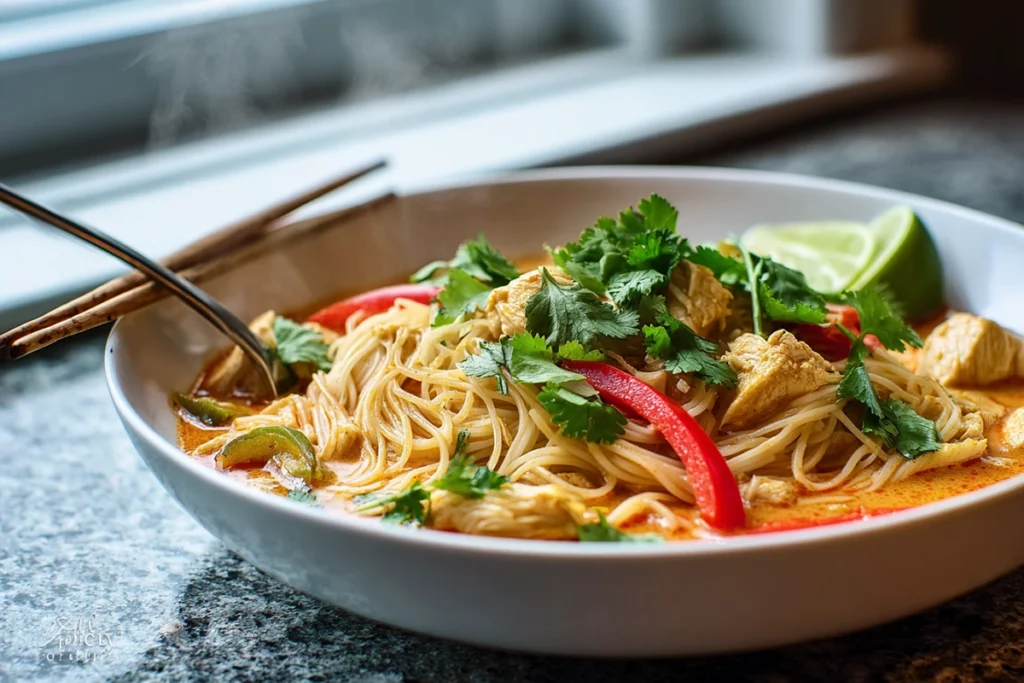
For storing, this soup does best when noodles and broth are kept separate. In the fridge, the broth keeps well for up to three days, while cooked rice noodles are best used within a day. If you plan to freeze it, freeze the broth without noodles in an airtight container. Coconut milk handles freezing fine here, but thaw gently over low heat and stir until smooth.
When reheating, warm the broth slowly until steaming but not boiling. Add fresh or briefly soaked noodles at the end so they don’t turn soft. You’re aiming for a soup that smells fresh again, not reheated.
This Thai Red Curry Noodle Soup is at its best when the balance is right — creamy, warm, and lifted with herbs and lime. Get those details right, and it’s the kind of bowl you’ll come back to when comfort is what you’re after.
Get inspired with more mouthwatering recipes! Follow me on Pinterest for new cooking ideas every week.
Frequently Asked Questions
Can I make Thai Red Curry Noodle Soup ahead of time?
Yes, but store the broth and noodles separately. Make the soup base fully, cool it, and refrigerate it for up to 3 days. Cook the rice noodles fresh when you’re ready to eat — adding them early is the fastest way to end up with mushy leftovers.
What kind of red curry paste works best for this soup?
Thai brands are more reliable because they’re balanced and aromatic. Grocery-store curry pastes can be salty but flat. If you’re using a new brand, taste the soup before adding more — heat levels vary a lot.
How spicy is Thai Red Curry Noodle Soup?
It’s moderately spicy, not aggressive. You’ll feel warmth, not burn. If you’re sensitive to heat, reduce the curry paste slightly and finish with extra lime. If you like it hotter, add more paste at the end so the spice stays sharp.
Can I freeze this soup?
Yes, but freeze only the broth and chicken — no noodles. Let the soup cool completely, then freeze in airtight containers for up to 2 months. Thaw gently over low heat and add fresh noodles just before serving.
What noodles work if I don’t have rice noodles?
Thin wheat noodles or ramen-style noodles work in a pinch, but they absorb more liquid. Cook them separately and add them to the bowl, not the pot, so the broth stays balanced.
How do I keep the coconut milk from separating?
Don’t let the soup boil once the coconut milk is added. Keep it at a gentle simmer with small bubbles. High heat breaks the fat and causes that oily, grainy look.
Print
Thai Red Curry Noodle Soup
- Prep Time: 15 minutes
- Cook Time: 35 minutes
- Total Time: 50 minutes
- Yield: 6 servings 1x
- Category: Soup
- Method: Slow Cooking
- Cuisine: American
- Diet: Vegan
Description
Creamy Thai Red Curry Noodle Soup with coconut milk, chicken, and rice noodles. A comforting one-pot dinner with realistic timing and dependable results.
Ingredients
- 1 tablespoon olive oil
- 1 1/2 pounds boneless skinless chicken breasts
- Kosher salt
- Black pepper
- 3 cloves garlic
- 1 red bell pepper
- 1 onion
- 3 tablespoons red curry paste
- 1 tablespoon fresh ginger
- 6 cups low sodium chicken broth
- 13.5 ounces coconut milk
- 4 ounces rice noodles
- 1 tablespoon fish sauce
- 2 teaspoons brown sugar
- 3 green onions
- 1/2 cup fresh cilantro
- 1/4 cup fresh basil
- 2 tablespoons lime juice
Instructions
- Heat oil and brown chicken until lightly golden, then remove.
- Cook onion, bell pepper, garlic, and ginger until fragrant and softened.
- Stir in red curry paste and cook briefly until aromatic.
- Add broth and coconut milk, scraping the pot, then return chicken.
- Simmer gently until flavors combine and broth slightly reduces.
- Add rice noodles, fish sauce, and brown sugar until noodles are tender.
- Remove from heat and finish with green onions, herbs, and lime juice.
Notes
- Store broth and noodles separately for best leftovers.
- Avoid boiling after adding coconut milk to prevent separation.
- Add fresh herbs and lime just before serving for best flavor.
Nutrition
- Serving Size: 1 bowl
- Calories: 520
- Sugar: 8
- Sodium: 980
- Fat: 28
- Saturated Fat: 17
- Unsaturated Fat: 9
- Trans Fat: 0
- Carbohydrates: 38
- Fiber: 3
- Protein: 32
- Cholesterol: 95