
Salsa Verde Pepper Jack Chicken for Fast Weeknight Grilling

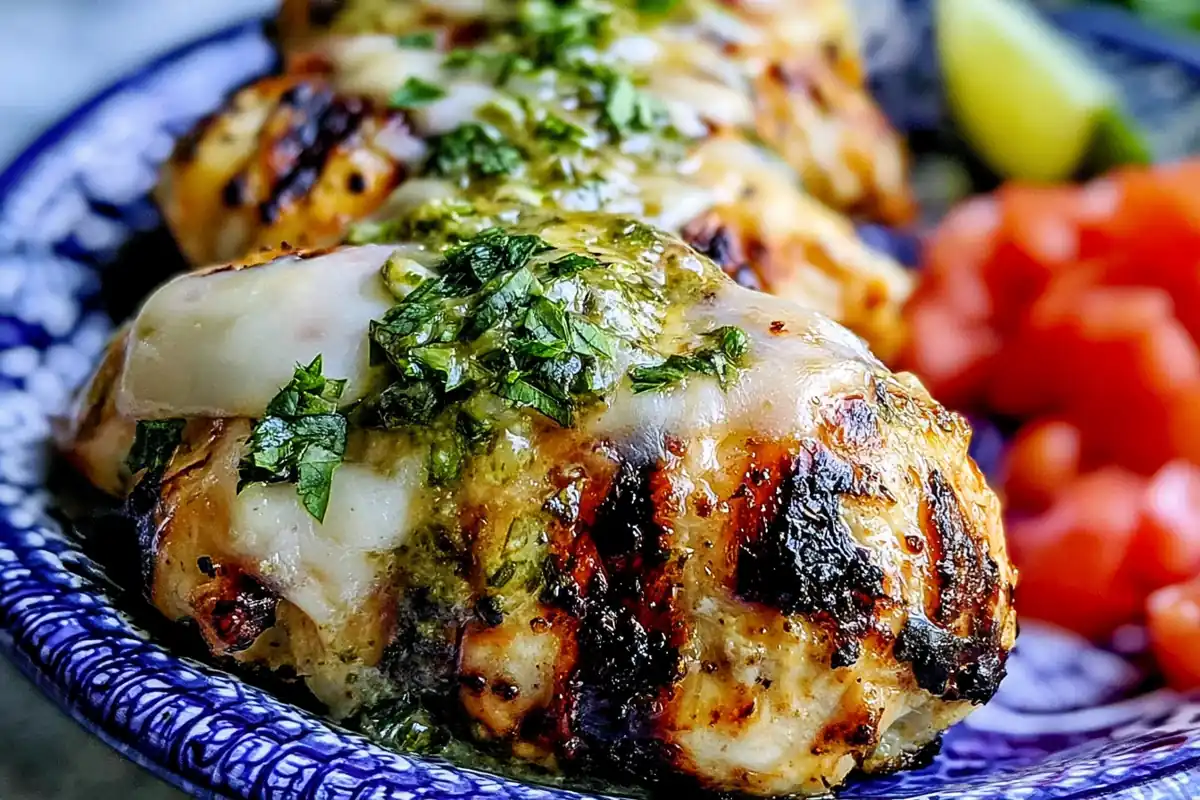
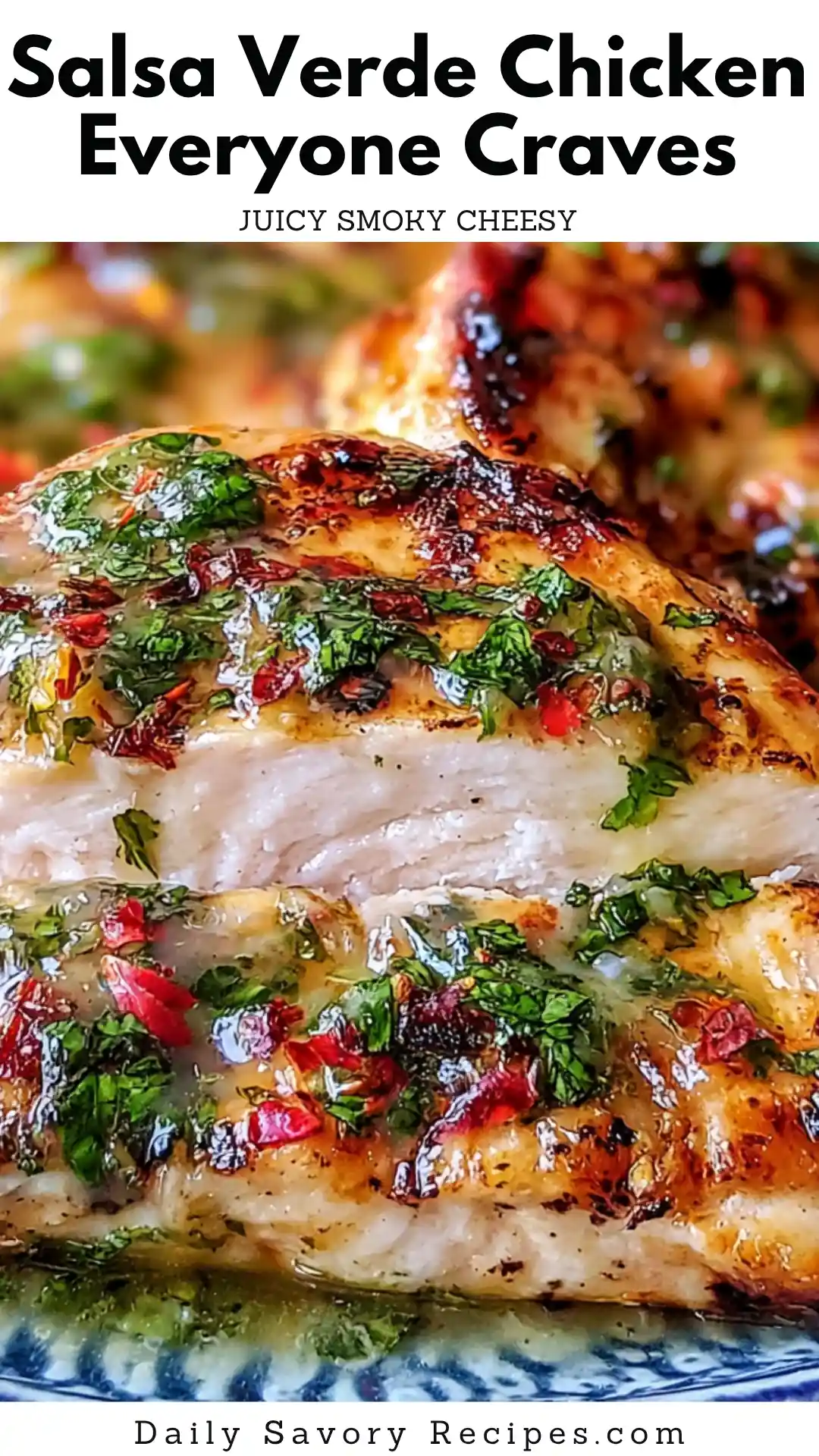
Salsa Verde Pepper Jack Chicken comes together quickly, but it doesn’t taste rushed. The salsa verde adds acidity and heat, the lime keeps the chicken bright, and the melted pepper Jack finishes everything with just enough richness to balance the grill flavor.
I’ve made versions of this for quick family dinners and outdoor cookouts, and the biggest difference usually comes down to the chicken itself. Thin pieces cook faster, stay juicier, and hold onto the marinade better. You don’t need a complicated setup here. Just solid ingredients and good timing.
This article walks through the small details that actually matter, from marinating to grilling temperature to avoiding dry chicken.
Why Salsa Verde Pepper Jack Chicken Works So Well
Some grilled chicken recipes rely heavily on spice rubs or sugary sauces. This one leans on acidity instead. Salsa verde brings sharpness from tomatillos and peppers, while lime juice cuts through the richness of the cheese. The result tastes fresh even though the ingredients are simple.
Pepper Jack also melts differently than cheddar or mozzarella. It softens quickly without becoming oily, which matters when the chicken only spends about 10 minutes on the grill. I prefer using sliced cheese here instead of shredded because it melts evenly over the top during the final minute.
It’s also flexible. Rice bowls, tacos, salads, sandwiches. Leftovers hold up surprisingly well.
The Ingredients That Matter Most
The salsa verde does most of the heavy lifting, so don’t grab the blandest jar on the shelf. Look for one with noticeable acidity and visible texture instead of a completely smooth puree. A little heat helps too. Once it hits the grill, the flavor softens slightly.
Fresh lime juice matters more than bottled here. Bottled juice tends to taste flat after grilling, especially mixed into the marinade. Two tablespoons of fresh juice is enough to brighten everything without overpowering the chicken.
For the chicken itself, thin-sliced breasts work best because they cook evenly before the exterior dries out. Thick chicken breasts often char outside while staying undercooked in the center. If the pieces vary too much in thickness, pound them gently to about ½ inch thick before marinating.
The cumin is subtle but important. It gives the marinade some depth without turning it into a taco seasoning situation. Easy to overdo though. Stick close to the teaspoon.
Tools That Make Grilling Easier
You don’t need much equipment for this recipe, but a few things make the process smoother.
A meat thermometer helps more than people think. Chicken breast can go from juicy to dry in a couple of minutes, especially over medium-high heat. Pull the chicken once it reaches 165°F in the thickest part.
A grill with clean grates also matters because salsa verde contains sugars and moisture that tend to stick. I usually oil the grates lightly right before adding the chicken. Long tongs help too. Turning the chicken with a fork releases juices you’d rather keep inside the meat.
Nothing fancy. Just practical tools that prevent frustration.
Preparing the Chicken for Even Cooking
Thin chicken breasts aren’t only about faster cooking. They absorb marinade more evenly and stay flatter on the grill, which gives you better browning across the surface.
If your chicken breasts are thick on one end and thin on the other, place them between sheets of parchment or plastic wrap and lightly pound the thicker side. You’re not trying to flatten them completely. Just even things out enough so they cook at roughly the same speed.
I usually marinate the chicken for about 30 minutes to 2 hours. Longer isn’t necessarily better here because the lime juice can start changing the texture of the surface if it sits too long. The chicken can become slightly mushy around the edges. Still edible, just not as clean on the grill.
Before cooking, let excess marinade drip off for a few seconds instead of placing the chicken directly onto the grates dripping wet. That helps prevent flare-ups and improves browning.
Homemade Salsa Verde Option
Jarred salsa verde works perfectly well for this recipe, especially on busy nights, but making a quick homemade version gives you more control over the flavor. I usually roast tomatillos, garlic, jalapeño, and onion at 425°F for about 15 minutes until the edges darken slightly. Then everything goes into a blender with cilantro, lime juice, and salt.
Keep it a little chunky. A completely smooth salsa tends to slide off the chicken too easily during marinating. You want enough texture for the sauce to cling to the meat while still spreading evenly.
If your salsa tastes too sharp, add a small drizzle of olive oil before blending. It rounds things out.
Grilling Salsa Verde Pepper Jack Chicken Without Drying It Out
Medium-high heat works best here. Too hot and the salsa verde burns before the chicken cooks through. Too low and you miss out on proper browning. I aim for grill grates around 400°F to 425°F before adding the chicken.
Once the chicken hits the grill, leave it alone for the first few minutes. Constant flipping prevents good grill marks and slows down browning. After about 4 to 5 minutes, the chicken should release fairly easily from the grates. If it sticks aggressively, give it another minute.
The marinade will caramelize lightly around the edges because of the natural sugars in the salsa. That’s what you want. Blackened spots are fine. Completely charred patches usually mean the heat is too high.
During the final minute, place one slice of pepper Jack cheese over each piece of chicken and close the grill lid briefly. The trapped heat melts the cheese quickly without overcooking the meat underneath. Worth doing carefully. If you leave the lid closed too long, the cheese can split and turn oily.
After grilling, let the chicken rest for about 3 to 5 minutes before slicing. Short rest. Big difference. The juices settle back into the meat instead of running across the cutting board.
Small Details That Improve the Final Texture
A quick pat with paper towels before marinating helps the salsa verde stick better to the chicken surface. Wet chicken tends to dilute the marinade instead of absorbing it.
Another thing people skip: resting the meat after cooking. Even thin chicken breasts benefit from a few minutes off the heat. Slice too early and the juices escape fast, especially with lean meat like breast meat.
I also like adding fresh cilantro and lime wedges right before serving rather than during cooking. The fresh acidity wakes everything back up after the heat from the grill and melted cheese.
Simple detail. Makes the whole plate taste fresher.
Common Grilling Mistakes That Affect Flavor
Using cold chicken straight from the refrigerator can cause uneven cooking, especially on a hot grill. Let the chicken sit out for about 15 minutes before grilling so the center isn’t ice cold when it hits the heat.
Another common issue is over-marinating. Since the marinade contains lime juice, leaving the chicken overnight can change the texture too much. The outside starts feeling almost chalky after grilling instead of tender.
Weak salsa verde is another problem. If the salsa tastes bland from the jar, the finished chicken usually will too. Taste it first. If needed, add extra lime juice, salt, or a small pinch of cumin before marinating.
And don’t press down on the chicken with a spatula while grilling. People do this thinking it helps browning. Mostly it squeezes moisture into the fire.
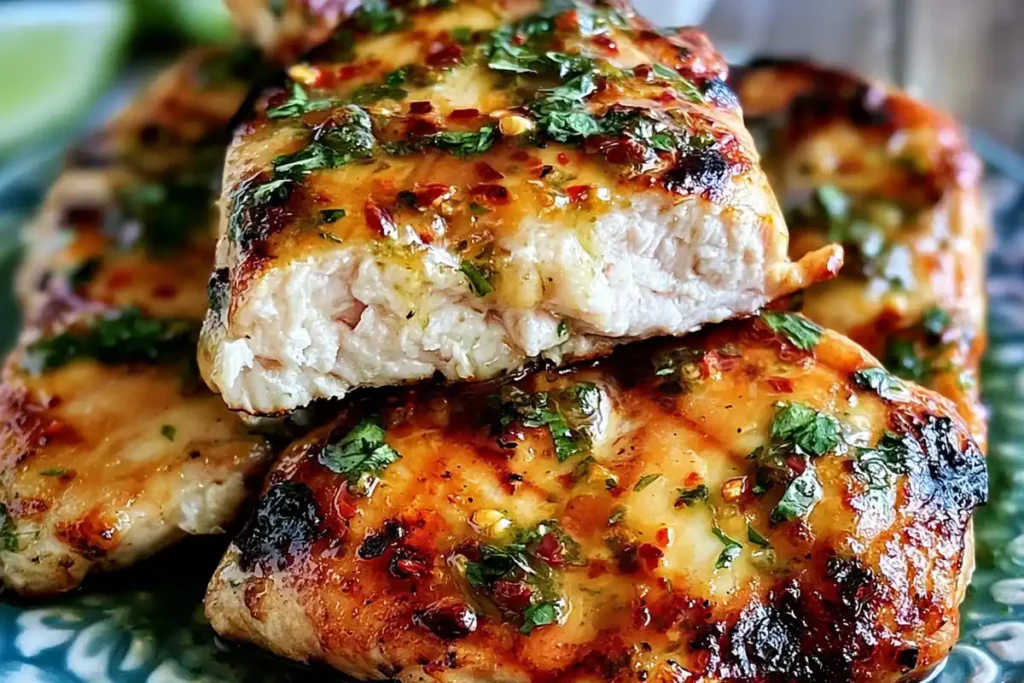
Serving Ideas for Salsa Verde Pepper Jack Chicken
This chicken fits naturally into a lot of different meals, which is probably one reason I keep coming back to it during warmer months. Slice it over cilantro rice with grilled peppers and extra lime, or tuck it into tortillas with shredded cabbage for quick tacos. Both work well because the salsa verde already brings enough flavor that you don’t need much else.
For side dishes, I usually keep things simple. Grilled corn, black beans, avocado salad, or roasted potatoes all make sense here. If the chicken is the main focus, avoid sides with heavy creamy sauces since the pepper Jack already adds richness.
Cold leftovers also work surprisingly well sliced over greens with extra salsa verde as dressing.
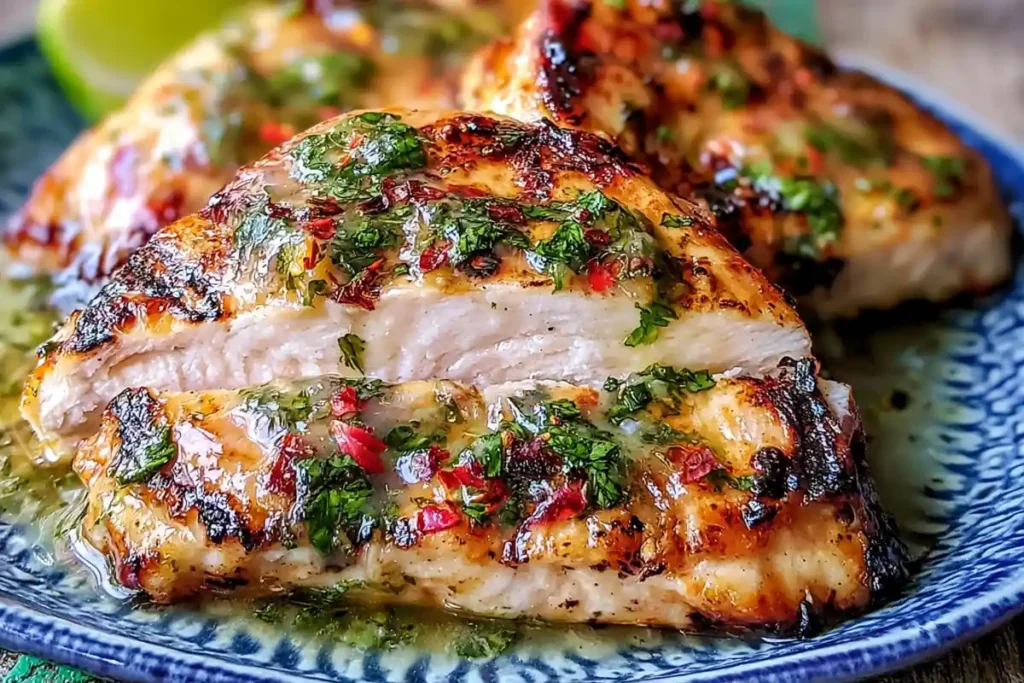
Storing and Reheating Leftovers
Store leftover Salsa Verde Pepper Jack Chicken in an airtight container in the refrigerator for up to 4 days. If you’re stacking pieces, place parchment or wax paper between them so the melted cheese doesn’t stick together into one solid layer.
For reheating, low heat works better than blasting it in the microwave. I usually warm the chicken in a skillet over medium-low heat with a small splash of water and a loose lid for a few minutes. That keeps the meat from drying out.
You can freeze it too, though the texture of the cheese changes slightly after thawing. Still good for tacos or rice bowls later.
Frequently Asked Questions (FAQ)
Can I use chicken thighs instead?
Yes. Boneless skinless thighs work well and usually stay juicier on the grill because they contain more fat. They may need an extra couple of minutes of cooking time depending on thickness.
How long should I marinate the chicken?
About 30 minutes to 2 hours is the sweet spot for this recipe. Less than that and the flavor stays mostly on the surface. Much longer can soften the exterior too much because of the lime juice.
Can this recipe be baked indoors?
You can bake it at 425°F for roughly 18 to 22 minutes, depending on thickness. Add the pepper Jack during the last couple of minutes so it melts without overcooking the chicken.
What temperature should grilled chicken reach?
The thickest part of the chicken should reach 165°F. I usually pull it right at that point and let carryover heat finish the rest while it rests.
Worth Keeping in Your Summer Dinner Rotation
Salsa Verde Pepper Jack Chicken is one of those recipes that earns repeat status because it’s practical. Fast marinade, short grill time, and enough flavor that it doesn’t need much around it.
Once you’ve made it once, it’s easy to adjust depending on what you have nearby. Extra heat, different cheese, tacos one night, rice bowls the next. That flexibility matters on busy evenings. Every recipe I share is an invitation from my kitchen to yours.
Salsa Verde Pepper Jack Chicken
Ingredients
Method
- In a large bowl, mix salsa verde, olive oil, lime juice, cumin, salt, and pepper to create the marinade.
- Add the chicken breasts to the bowl and coat evenly. Cover and refrigerate for 30 minutes to 2 hours.
- Preheat the grill to medium-high heat, about 400°F to 425°F.
- Remove the chicken from the marinade and let excess marinade drip off.
- Grill the chicken for 4 to 5 minutes per side until the internal temperature reaches 165°F.
- During the final minute of grilling, place one slice of pepper Jack cheese on each piece of chicken and close the lid briefly to melt.
- Transfer the chicken to a plate and let it rest for 3 to 5 minutes before serving.
- Serve with fresh cilantro and lime wedges.
Notes
- Use thin chicken breasts for faster and more even cooking.
- Do not marinate overnight because the lime juice can soften the texture too much.
- A meat thermometer helps prevent overcooking.
- This chicken works well in tacos, rice bowls, salads, or sandwiches.