
Oyakodon: The Comforting Japanese Chicken and Egg Rice Bowl You’ll Love

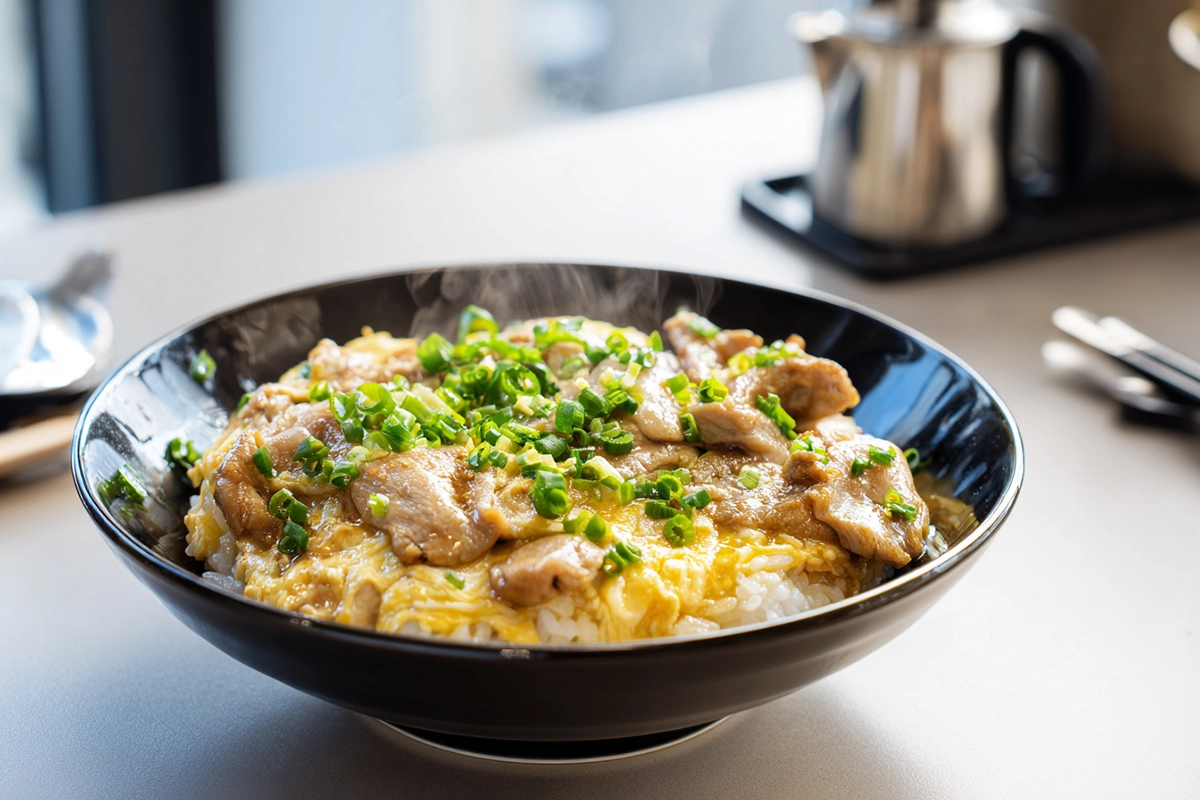
If you’ve ever had one of those nights where you want something warm, filling, and quick without pulling out half your pantry, this recipe will feel like a lifesaver. The first time I made Oyakodon, I remember being surprised by how such a simple mix of chicken, onion, egg, and rice could taste so complete. It’s a one-pan wonder that doesn’t just feed you—it hugs you from the inside out. This classic Japanese rice bowl has been a staple in Japanese homes for generations, and once you try it, you’ll see why it’s become a comfort food favorite across the U.S.
What Is Oyakodon? History, Meaning & Cultural Context
The word Oyakodon literally translates to “parent-and-child bowl,” a nod to the chicken and egg that share the same dish. It’s part of the donburi family, which simply means rice bowls topped with savory goodness. While the concept sounds humble, its history stretches back to the late 1800s when cooks in Tokyo started layering simmered meats and sauces over rice. This particular version stood out because it balanced protein, carbs, and a silky egg topping all in one satisfying meal.
What makes this dish so popular outside Japan is how approachable it is. You don’t need advanced knife skills or exotic tools—just a good pan, a bowl of hot rice, and about 30 minutes of your evening. For American home cooks, it’s an easy way to bring Japanese home cooking into your kitchen without feeling overwhelmed.
Oyakodon
Ingredients
Method
- In a small bowl, combine dashi, soy sauce, mirin, sake, and sugar.
- Pour the sauce into a skillet and add sliced onions. Simmer over medium heat until softened.
- Add chicken pieces to the broth and cook for 5–7 minutes, until the meat is cooked through and tender.
- Slowly pour the beaten eggs over the chicken and onion mixture. Cover and cook just until the eggs are softly set.
- Spoon freshly cooked rice into bowls, then top with the hot chicken-and-egg mixture.
- Garnish with chopped green onions and a sprinkle of shichimi togarashi if desired. Serve immediately.
Notes
- For creamier eggs, pour them in two stages, letting the first half set before adding the rest.
- Use chicken breast for a lighter version or tofu for a vegetarian alternative.
- Reheat gently on the stove with a splash of broth to maintain texture.
Ingredients You’ll Need & Where to Buy
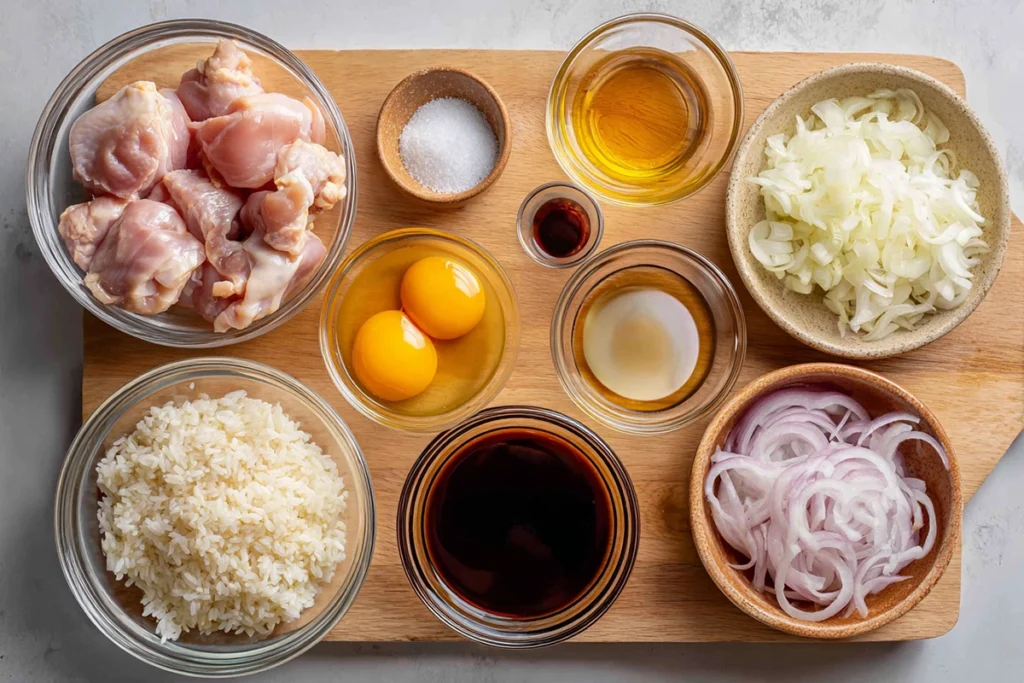
The ingredient list is short, but each item plays a key role in building flavor. You can find almost everything in regular U.S. grocery stores, though specialty Asian markets may give you more authentic options.
Core Ingredients
- 1 lb boneless, skinless chicken thighs (or chicken breast if preferred)
- 1 medium yellow onion, thinly sliced
- 4 large eggs, lightly beaten
- 2 cups cooked Japanese short-grain rice
Sauce Base
- 1 cup dashi stock (substitute with chicken broth if needed)
- 3 tbsp soy sauce
- 2 tbsp mirin (or white wine with a pinch of sugar)
- 1 tbsp sake (optional; omit for Halal or substitute with chicken broth)
- 1 tsp sugar
Garnishes
- Chopped green onion or fresh parsley
- Shichimi togarashi (optional, for heat)
The beauty of Oyakodon is that you can adapt based on what’s in your kitchen. Can’t find dashi? Use a mix of chicken broth and a small piece of dried kelp if available. Want a leaner version? Swap thighs for chicken breast.
Step-by-Step Instructions (with Tips for Reliable Results)
The cooking process is straightforward, but timing matters for getting the eggs just right. Think of this dish as more of a simmer than a stir-fry—it’s gentle cooking that allows flavors to blend together.
Prepare the Base
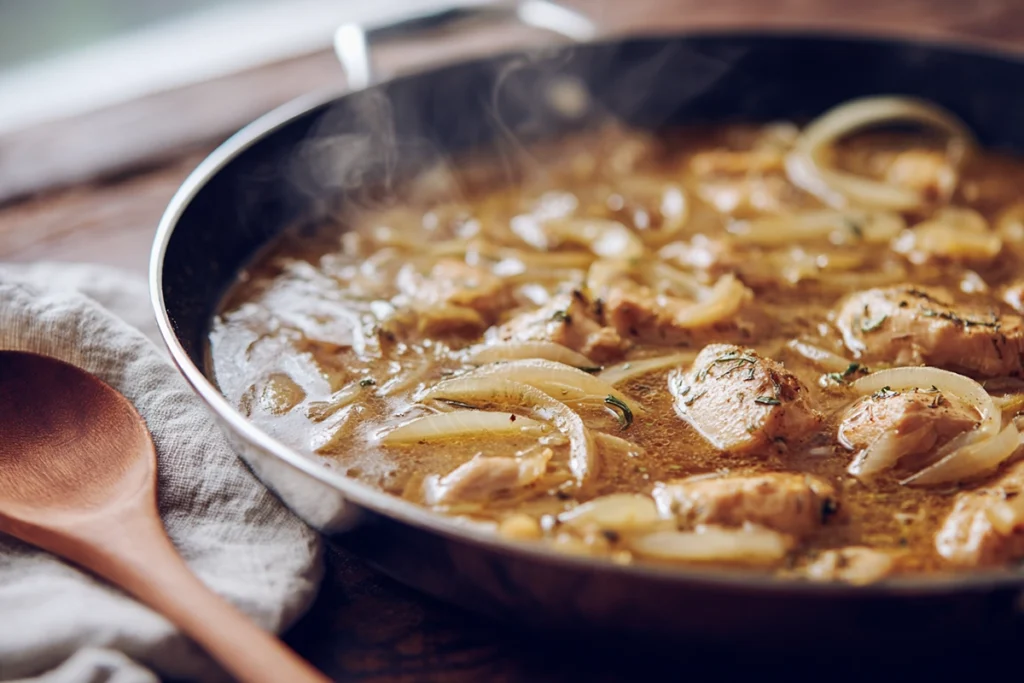
Start by combining the dashi, soy sauce, mirin, sake, and sugar in a small bowl. Pour this mixture into a large skillet or shallow pan. Add the sliced onions and simmer over medium heat until they turn soft and slightly translucent.
Cook the Chicken
Once the onions are tender, add the chicken pieces to the simmering broth. Let them poach gently until cooked through, about 5 to 7 minutes. Unlike searing, this method keeps the chicken juicy and helps it soak up the sweet-savory sauce.
Add the Eggs
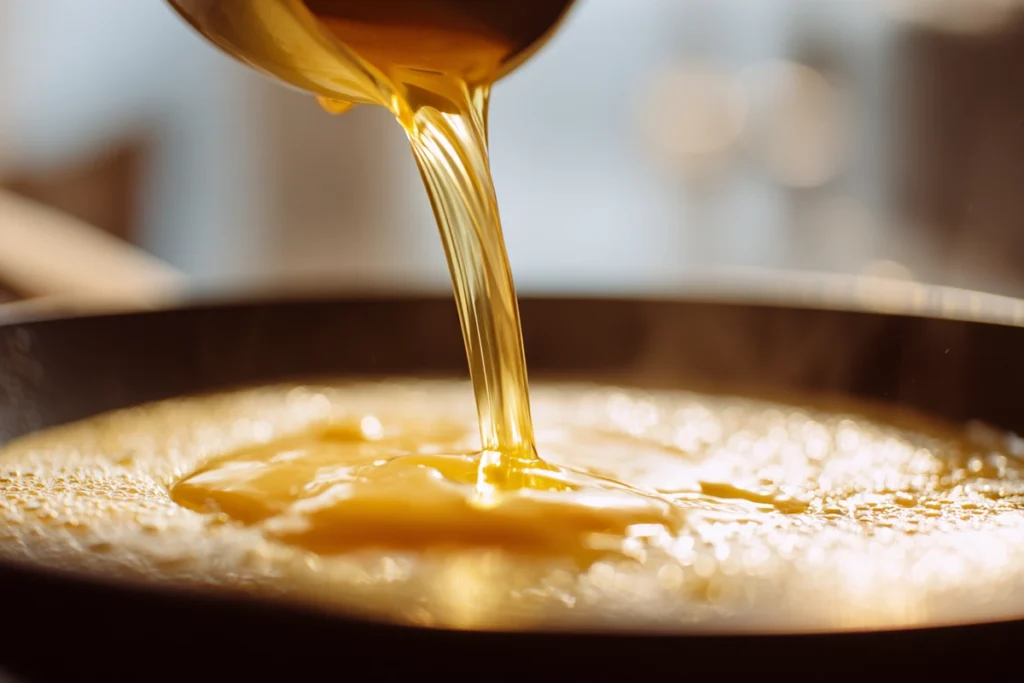
This is where the magic happens. Slowly pour the beaten eggs over the chicken and onion mixture. Cover the pan and cook just until the eggs are barely set. You want them soft and custardy, not dry or rubbery. If you prefer a creamier texture, pour the eggs in two stages—half first, then the rest a minute later.
Serve Over Rice
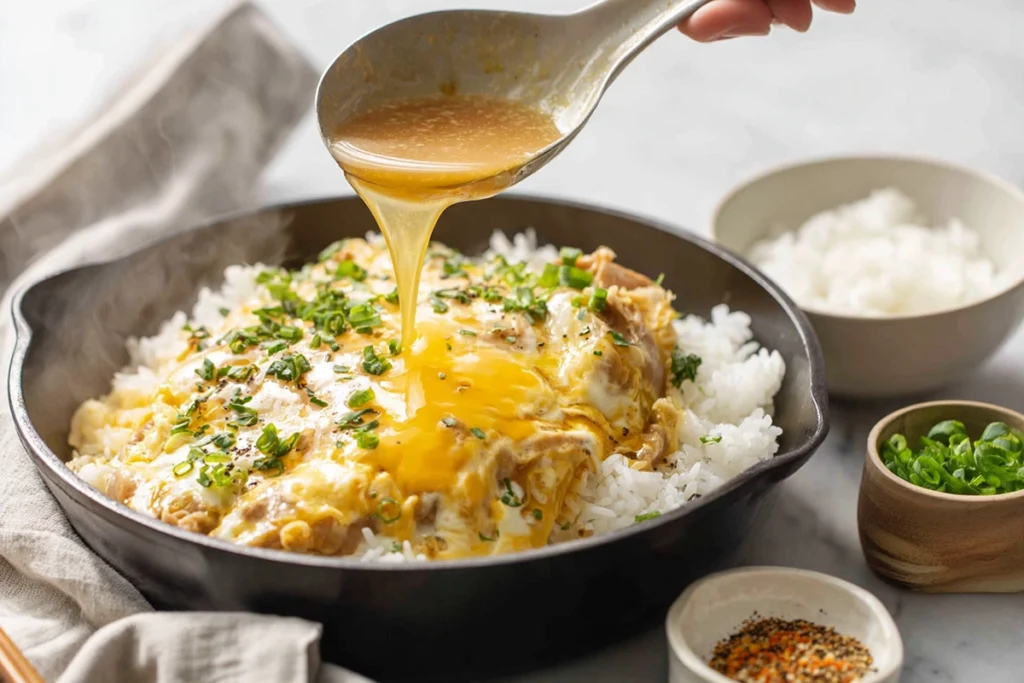
Scoop steaming rice into deep bowls, then gently slide the chicken-and-egg mixture on top. Garnish with green onions or a sprinkle of shichimi for a touch of spice.
Serving Ideas, Side Dishes & Pairings
The best companion to Oyakodon is a bowl of fluffy Japanese short-grain rice. Its slightly sticky texture holds the chicken and egg mixture perfectly. For sides, think simple and light: miso soup, quick-pickled cucumbers, or steamed spinach with sesame dressing. If you want a more filling meal, add a small plate of gyoza or edamame.
Plating is also part of the experience. A deep rice bowl works best, making it easy to scoop both rice and topping in one bite. Don’t forget a final garnish of fresh herbs—it adds both color and brightness.
Storage, Reheating & Meal Prep Tips
While Oyakodon is at its best right after cooking, you can make it ahead for busy nights. Store leftovers in an airtight container in the refrigerator for up to three days. Avoid freezing, as the eggs will lose their silky texture.
To reheat, place it in a skillet with a splash of broth or water and warm gently over low heat. The microwave works in a pinch, but reheating on the stove helps keep the eggs tender. For meal prep, you can cook the chicken and onions in advance, then finish with eggs right before serving for a fresh taste.
Every time you dig into Oyakodon, you’ll understand why it has stood the test of time in Japanese kitchens and why it’s quickly finding a spot at American dinner tables. It’s comforting without being heavy, flavorful without being complicated, and endlessly adaptable to your pantry and preferences. If you’ve been looking for a recipe that feels like a hug in a bowl, this is the one you’ll keep coming back to.
FAQ
Is Oyakodon safe to eat with soft or runny eggs?
Yes, it’s safe as long as your eggs are pasteurized or cooked until lightly set. If you prefer a firmer texture, just cover the pan a bit longer to let the eggs fully cook through.
Can I use chicken breast instead of thighs in Oyakodon?
Absolutely. Chicken thighs are traditional because they stay juicy, but chicken breast works fine if you want a leaner option. Just be careful not to overcook, since breast meat can dry out quickly.
What can I substitute for mirin or sake?
If you can’t find mirin, use a splash of white wine with a pinch of sugar. For the sake, simply replace it with extra broth or water to keep the balance of flavors in your rice bowl.
Can I make Oyakodon without dashi?
Yes. While dashi adds authentic flavor, you can swap in chicken broth for an easy alternative. It still gives you a savory base for the onion, chicken, and egg mixture.