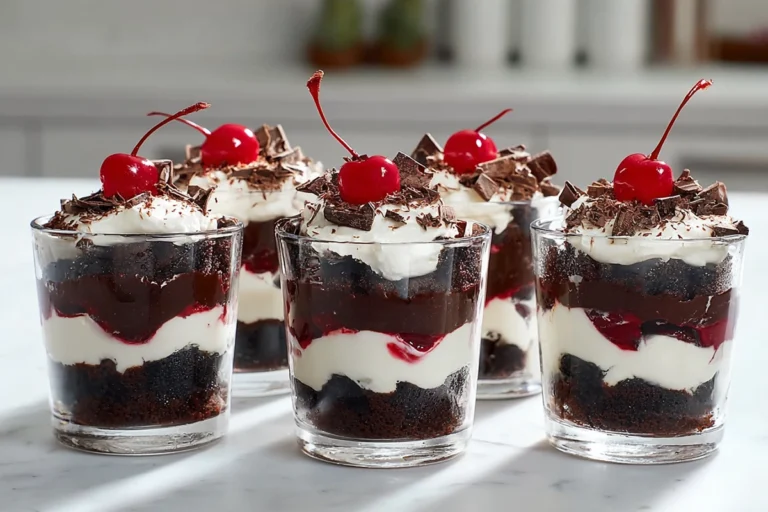

Italian Love Cake That Bakes Into Perfect Layers

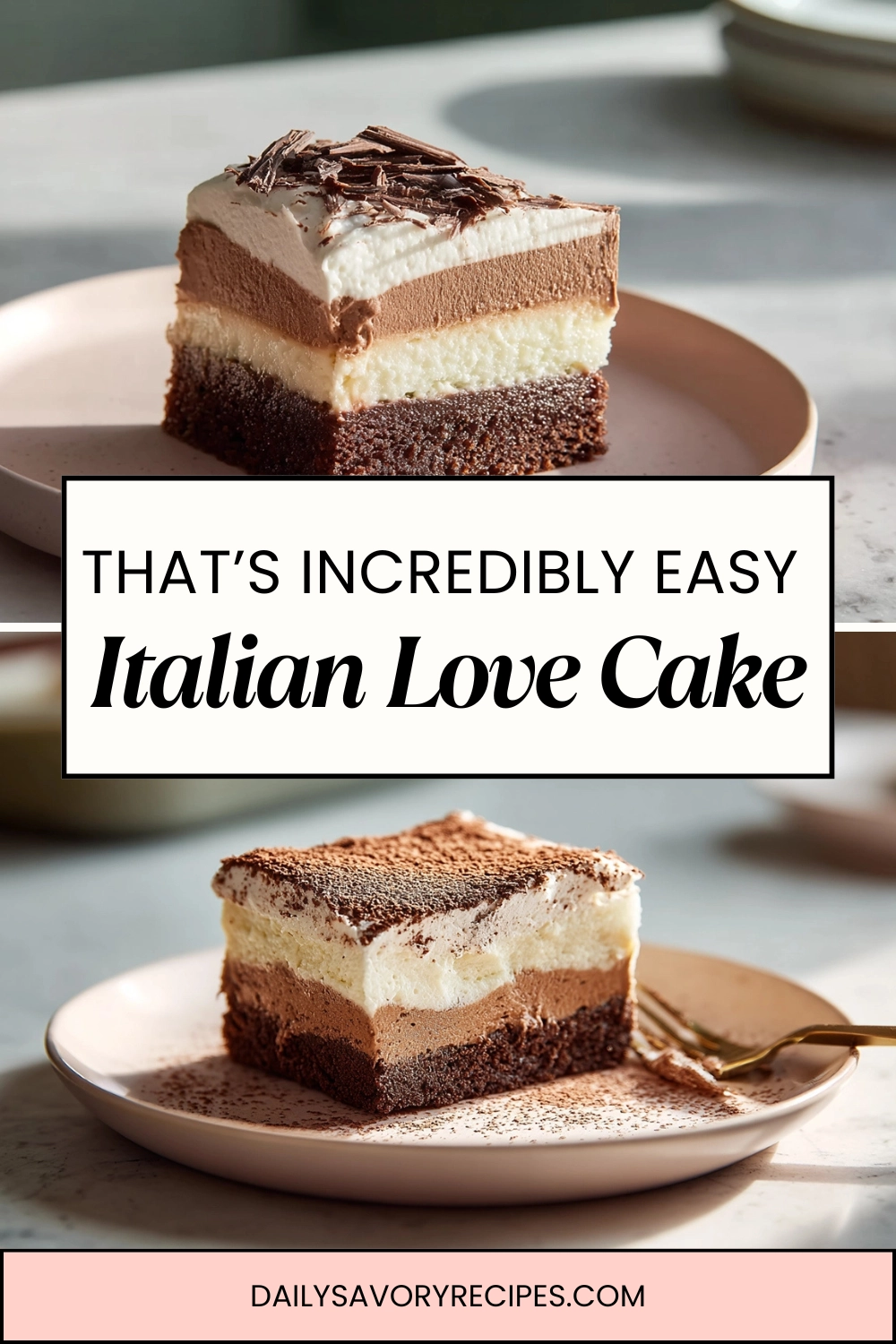
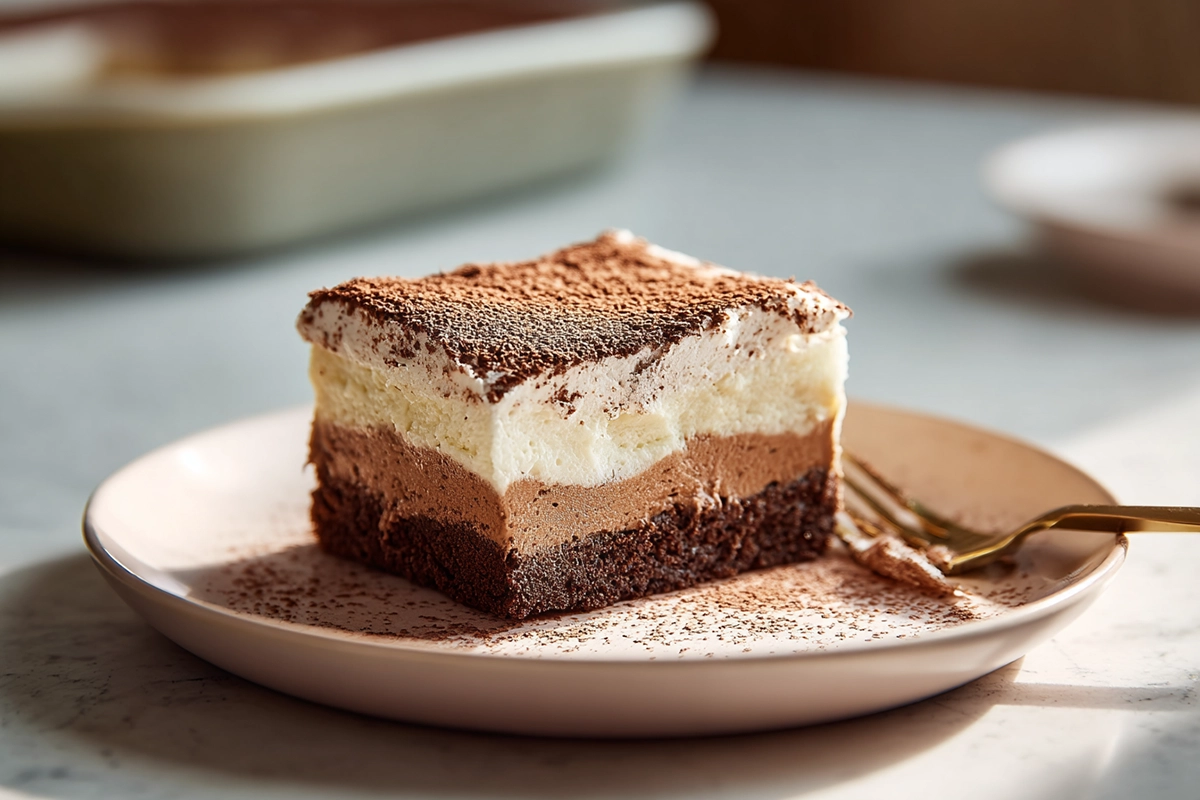
The first thing you notice with this cake isn’t the look — it’s the smell. As the chocolate cake bakes, it gives off that deep cocoa aroma, but underneath it there’s something softer and almost creamy coming through. That’s the ricotta layer doing its thing. When you finally cut into it, the fork goes through a cold, fluffy topping, then a light ricotta layer, and finally into a moist chocolate base. That contrast is what makes this dessert hard to stop eating after one slice.
What makes Italian Love Cake special isn’t just the flavor — it’s the way it comes together without complicated technique. This is one of those desserts where the oven does the work for you. You pour, you bake, and the layers sort themselves out. The ricotta mixture starts on top, sinks, then rises back up as the cake sets. It feels almost wrong the first time you make it, but the result is consistent when the ingredients and timing are right.
I like this cake for gatherings because it’s forgiving and practical. It feeds a crowd, it holds well in the fridge, and it actually improves after chilling. You’re not rushing to serve it warm or worrying about last-minute assembly. If you give it the proper cooling and use the right ingredients, the layers stay clean, the texture stays stable, and every slice looks intentional instead of messy.
Table of Contents
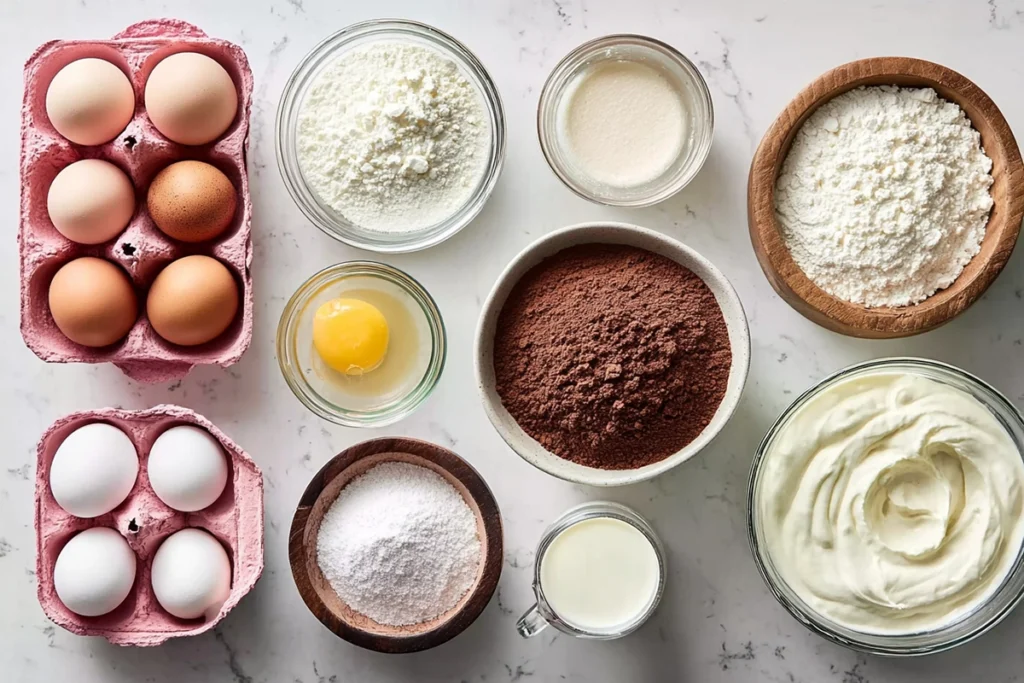
Ingredients (Why Each One Matters)
Chocolate Cake Mix
This recipe relies on a boxed chocolate cake mix for structure. A standard 15.25-ounce box works best because it’s balanced for moisture and rise. Store-brand mixes are completely fine here — what matters is following the package ratios exactly so the cake sets firmly enough to support the ricotta layer.
Whole-Milk Ricotta Cheese
This is the ingredient you should not compromise on. Whole-milk ricotta gives the filling its creamy texture and allows it to bake into a soft, cheesecake-like layer. Low-fat or skim ricotta releases too much liquid and can prevent the layers from separating cleanly.
Granulated Sugar & Light Brown Sugar
Using both sugars isn’t decorative — it’s functional. Granulated sugar sweetens and helps the ricotta set evenly, while brown sugar adds a slight depth and softness to the texture. You’ll notice the difference compared to using only white sugar.
Eggs
The eggs bind the ricotta mixture and give it structure as it bakes. Room-temperature eggs mix more smoothly and help prevent a grainy texture in the finished layer.
Vanilla Extract
Vanilla doesn’t make this cake taste like vanilla — it rounds out the ricotta and keeps it from tasting flat. Pure vanilla extract is preferable, but imitation will still work if that’s what you have.
Instant Espresso Powder (Optional)
This doesn’t make the cake taste like coffee. A small amount deepens the chocolate flavor and makes it taste richer. If you don’t have it, the cake will still be good — just slightly less intense.
Instant Chocolate Pudding Mix
The pudding mix stabilizes the topping and gives it that smooth, mousse-like texture. Generic brands work just as well as name brands here, so there’s no need to spend extra.
Milk
Cold whole milk helps the pudding set properly. Lower-fat milk can work, but the topping will be softer and take longer to firm up.
Cool Whip (or Sweetened Whipped Cream)
Cool Whip creates a stable topping that holds its shape for days in the fridge. If you prefer homemade whipped cream, it works best when well-whipped and lightly sweetened, but it won’t last quite as long.
How Italian Love Cake Builds Its Own Layers in the Oven
Preparing the Pan and Base
This cake depends on clean separation, so the pan setup matters more than it seems. When the pan is properly sprayed and lined, the batter spreads evenly instead of grabbing at the sides. As you pour in the chocolate batter, look for a smooth, level surface with no dry pockets. When you tap the pan lightly on the counter, the batter should settle quietly and level out, not ripple or slosh. The smell at this stage is neutral — just cocoa and oil — which is exactly what you want before baking begins.
The Ricotta Layer That Looks Wrong (But Isn’t)
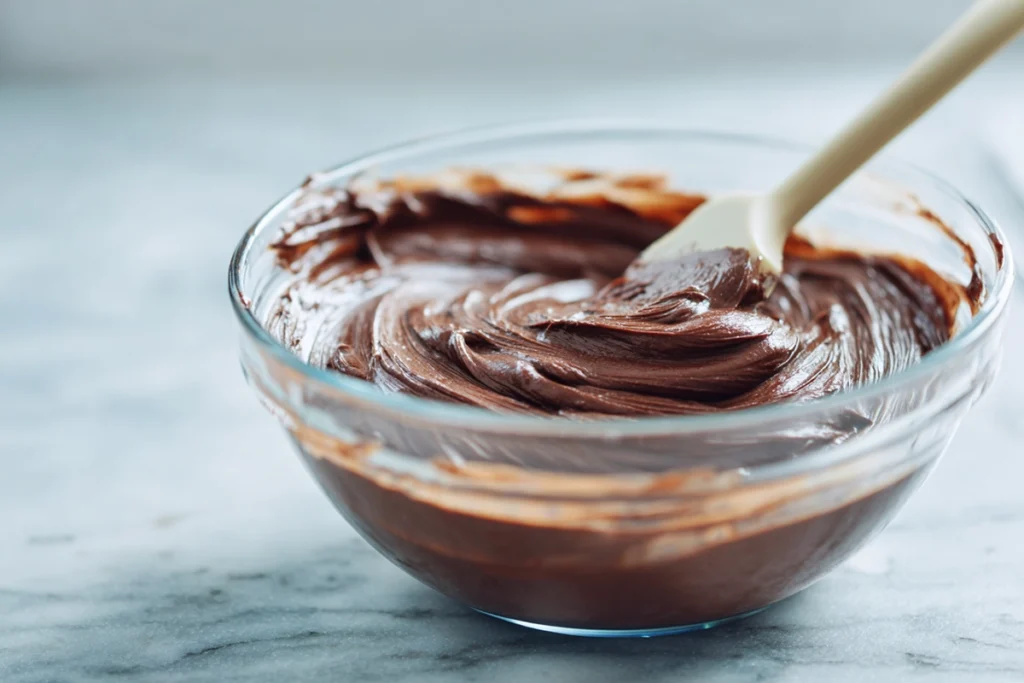
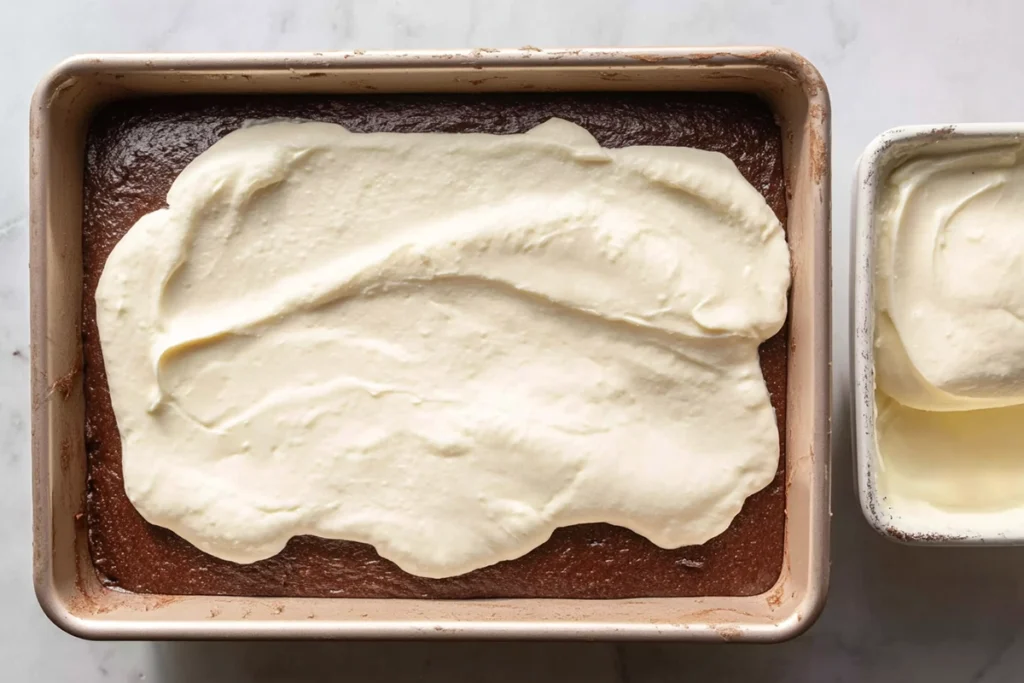
When the ricotta mixture is processed correctly, it should pour slowly like thick cream, not drop in clumps. As you spread it over the chocolate batter, you’ll see it float briefly before starting to sink. That’s normal. The surface should look pale and glossy, and when you run a spatula lightly across the top, it should leave a soft trail that fills back in. If you hear gentle air bubbles popping as it settles, that’s a good sign the mixture is smooth and well-aerated.
What Happens in the Oven
Once the pan is in the oven, resist the urge to adjust the temperature. As the cake bakes, the chocolate layer rises while the ricotta sinks and then pushes back up. About halfway through, you may smell rich chocolate and warm vanilla, and the top will begin to look slightly uneven. By the end, the surface may have light cracks and thin streaks of ricotta showing through. When you press lightly in the center, it should feel set but springy, not wet or jiggly.
Cooling Before the Topping Goes On
Cooling is where the structure locks in. As the cake cools, you’ll hear faint cracking sounds as steam escapes and the layers firm up. The surface should feel cool to the touch before topping — not just warm around the edges. If you rush this stage, the topping will slide, and the layers won’t hold. Once fully cooled, the cake will feel dense and stable when you gently press the center.
Italian Love Cake Troubleshooting: Where Things Go Sideways
When the Layers Don’t Separate
If the cake looks marbled instead of layered, the ricotta mixture was likely too thick or uneven. This usually happens when it isn’t fully blended or when low-fat ricotta is used. The batter needs to move freely in the oven to switch places. A thick, grainy mixture can’t sink properly, and you’ll see it bake in place instead of flipping.
A Wet or Loose Center
A soft center usually means the cake was sliced too soon. Even if the top looks set, the inside continues to firm as it cools. If you cut it while warm, the ricotta layer can feel loose and the chocolate layer may seem underbaked. When fully chilled, the texture tightens and slices cleanly, with no wet streaks on the knife.
Topping That Won’t Set
If the topping stays loose, the milk was likely too warm, or the pudding wasn’t given enough time to thicken before folding. You should feel resistance when stirring, not liquid sloshing. Once chilled, the topping should feel cool and softly firm to the touch, not sticky or runny.
How Italian Love Cake Builds Its Own Layers in the Oven
Preparing the Pan and Base
This cake depends on clean separation, so the pan setup matters more than it seems. When the pan is properly sprayed and lined, the batter spreads evenly instead of grabbing at the sides. As you pour in the chocolate batter, look for a smooth, level surface with no dry pockets. When you tap the pan lightly on the counter, the batter should settle quietly and level out, not ripple or slosh. The smell at this stage is neutral — just cocoa and oil — which is exactly what you want before baking begins.
The Ricotta Layer That Looks Wrong (But Isn’t)
When the ricotta mixture is processed correctly, it should pour slowly like thick cream, not drop in clumps. As you spread it over the chocolate batter, you’ll see it float briefly before starting to sink. That’s normal. The surface should look pale and glossy, and when you run a spatula lightly across the top, it should leave a soft trail that fills back in. If you hear gentle air bubbles popping as it settles, that’s a good sign the mixture is smooth and well-aerated.
What Happens in the Oven
Once the pan is in the oven, resist the urge to adjust the temperature. As the cake bakes, the chocolate layer rises while the ricotta sinks and then pushes back up. About halfway through, you may smell rich chocolate and warm vanilla, and the top will begin to look slightly uneven. By the end, the surface may have light cracks and thin streaks of ricotta showing through. When you press lightly in the center, it should feel set but springy, not wet or jiggly.
Cooling Before the Topping Goes On
Cooling is where the structure locks in. As the cake cools, you’ll hear faint cracking sounds as steam escapes and the layers firm up. The surface should feel cool to the touch before topping — not just warm around the edges. If you rush this stage, the topping will slide, and the layers won’t hold. Once fully cooled, the cake will feel dense and stable when you gently press the centre.
Italian Love Cake Troubleshooting: Where Things Go Sideways
When the Layers Don’t Separate
If the cake looks marbled instead of layered, the ricotta mixture was likely too thick or uneven. This usually happens when it isn’t fully blended or when low-fat ricotta is used. The batter needs to move freely in the oven to switch places. A thick, grainy mixture can’t sink properly, and you’ll see it bake in place instead of flipping.
A Wet or Loose Centre
A soft centre usually means the cake was sliced too soon. Even if the top looks set, the inside continues to firm as it cools. If you cut it while warm, the ricotta layer can feel loose, and the chocolate layer may seem underbaked. When fully chilled, the texture tightens and slices cleanly, with no wet streaks on the knife.
Topping That Won’t Set
If the topping stays loose, the milk was likely too warm, or the pudding wasn’t given enough time to thicken before folding. You should feel resistance when stirring, not liquid sloshing. Once chilled, the topping should feel cool and softly firm to the touch, not sticky or runny.
Make It Your Own
Deeper Chocolate, Not Sweeter
If you like a darker, more grown-up chocolate flavor, increase the espresso powder slightly and swap the pudding mix for dark chocolate instead of milk chocolate. The cake won’t taste like coffee, but you’ll notice the chocolate smells deeper as it bake,s and the finished cake tastes less sugary and more balanced. I’ve tested this version for adult gatherings, and it holds the same structure without affecting the layers.
Almond-Vanilla Ricotta Layer
For a subtle flavor shift that doesn’t fight the chocolate, replace ½ teaspoon of the vanilla extract with almond extract. Don’t use more than that — almond extract is strong and can quickly overpower the ricotta. When done right, the ricotta layer smells lightly nutty as it bakes and adds a bakery-style flavor without changing the texture.
Homemade Whipped Cream Topping
If you prefer skipping Cool Whip, use 3 cups heavy cream whipped with ¼ cup powdered sugar until stiff peaks form. The topping will feel slightly softer to the touch and won’t last as long in the fridge, but the flavor is cleaner. This works best when the cake will be served within 24 hours, not days later.
Gluten-Free Cake Mix Option
A gluten-free chocolate cake mix can be used without changing the ricotta layer. Expect a slightly denser chocolate base and a less dramatic rise. The layers still flip, but the finished cake feels firmer when chilled. I recommend chilling it overnight before slicing for the cleanest cuts.
Serving & Storing This Cake in Real Life
I serve this cake cold, straight from the fridge, with nothing extra. The texture is best when fully chilled — the topping feels light and creamy, the ricotta holds its shape, and the chocolate layer cuts cleanly without crumbs. A long knife wiped between slices keeps the layers sharp and presentable.
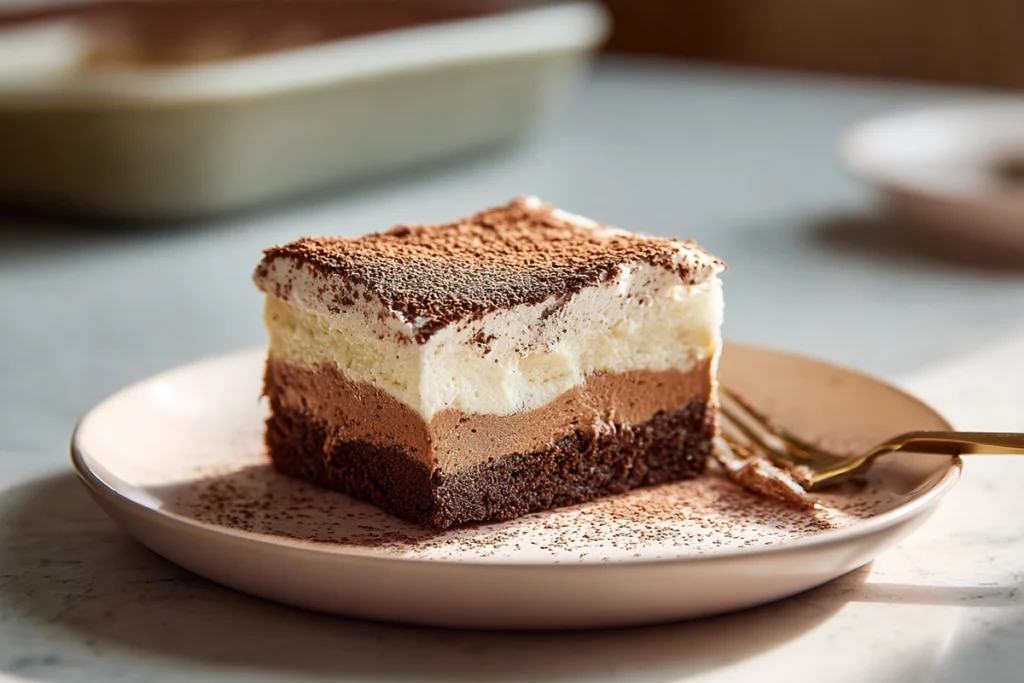
For storage, keep the cake tightly covered in the pan or transfer slices to an airtight container. It holds well in the refrigerator for up to four days without drying out. I don’t recommend leaving it loosely covered; the topping will pick up fridge odors and lose its smooth finish.
If you plan to freeze it, slice the cake first. Wrap individual slices tightly in plastic wrap, then place them in a freezer bag. Frozen whole slabs are difficult to portion later. Thaw overnight in the fridge — not at room temperature — to preserve the texture. I don’t reheat this cake; it’s meant to be eaten cold.
This cake works because it leans into contrast — warm chocolate flavors, cool creamy layers, and a structure that fixes itself if you let it. When made patiently, Italian Love Cake delivers exactly what the first bite promises.
Get inspired with more mouthwatering recipes! Follow me on Pinterest for new cooking ideas every week.
Frequently Asked Questions
Why does the ricotta layer sink and then rise during baking?
This happens because the ricotta mixture is denser than the cake batter at first, so it sinks. As the cake bakes and sets, the chocolate layer rises and pushes the ricotta back up. As long as the ricotta is smooth and pourable, the layers will separate on their own.
Can I make Italian Love Cake a day ahead?
Yes — and it’s actually better that way. The cake needs time to fully chill so the layers set and the topping firms up. I usually make it the day before serving and keep it covered in the refrigerator overnight.
Is the cake supposed to jiggle when it comes out of the oven?
A slight jiggle in the center is normal, but it shouldn’t look wet or liquid. The cake continues to firm up as it cools. If the center looks loose or shiny, it needs more time in the oven.
Can I use homemade chocolate cake instead of a boxed mix?
You can, but the texture will change. Boxed cake mix is formulated to rise evenly and support the layer flip. Homemade batter often produces a denser base, which can make the layers less defined unless the recipe is carefully adjusted.
Why did my layers blend together instead of separating?
This usually means the ricotta mixture was too thick or uneven. Low-fat ricotta, under-mixing, or skipping the food processor can prevent the ricotta from moving properly during baking.
Does Italian Love Cake freeze well?
Yes, but only if you slice it first. Wrap individual slices tightly and freeze them flat. Thaw overnight in the refrigerator. Freezing the whole cake makes it difficult to portion and can damage the topping.
PrintItalian Love Cake That Never Fails
Italian Love Cake is a chilled layered dessert made with chocolate cake, a creamy ricotta cheesecake-style layer, and a light chocolate pudding topping. The layers flip naturally during baking, creating a dependable, make-ahead dessert that slices clean and feeds a crowd.
- Prep Time: 25 minutes
- Cook Time: 1 hour 10 minutes
- Total Time: 1 hour 35 minutes (plus chilling time)
- Yield: 16–20 servings 1x
- Category: Dessert
- Method: Baking
- Cuisine: Italian-American
- Diet: Vegetarian
Ingredients
Cooking spray
1 (15.25-ounce) box chocolate cake mix
Water (per cake mix instructions)
Eggs (per cake mix instructions)
Oil (per cake mix instructions)
1½ teaspoons instant espresso powder (optional)
2 pounds whole-milk ricotta cheese
¾ cup granulated sugar
⅓ cup light brown sugar (packed)
3 large eggs
2 teaspoons vanilla extract
½ teaspoon kosher salt
1 (8-ounce) container Cool Whip, thawed
1 (3.9-ounce) box instant chocolate pudding mix
2 cups cold whole milk
Instructions
Preheat the oven to 350°F and prepare a 9×13-inch baking pan with cooking spray and parchment.
Prepare the chocolate cake batter according to package directions, adding espresso powder if using. Pour evenly into the pan.
Blend ricotta, sugars, eggs, vanilla, and salt until smooth. Pour gently over the cake batter.
Bake until the layers flip and the center tests clean, about 1 hour to 1 hour 10 minutes.
Cool completely at room temperature.
Whisk pudding mix with cold milk until thickened, then fold in Cool Whip.
Spread topping over cooled cake and refrigerate until fully set before serving.
Notes
Use whole-milk ricotta only; low-fat versions prevent proper layer separation.
Cracks and light streaks on top are normal and cosmetic.
For best slicing, chill the cake at least 4 hours or overnight.
Homemade whipped cream may be used but shortens storage life.
Nutrition
- Serving Size: 1 slice
- Calories: 410 kcal
- Sugar: 32 g
- Sodium: 360 mg
- Fat: 21 g
- Saturated Fat: 12 g
- Unsaturated Fat: 8 g
- Trans Fat: 0 g
- Carbohydrates: 45 g
- Fiber: 2 g
- Protein: 11 g
- Cholesterol: 95 mg