
Homemade Peach Preserves for Bright Summer Flavor All Year

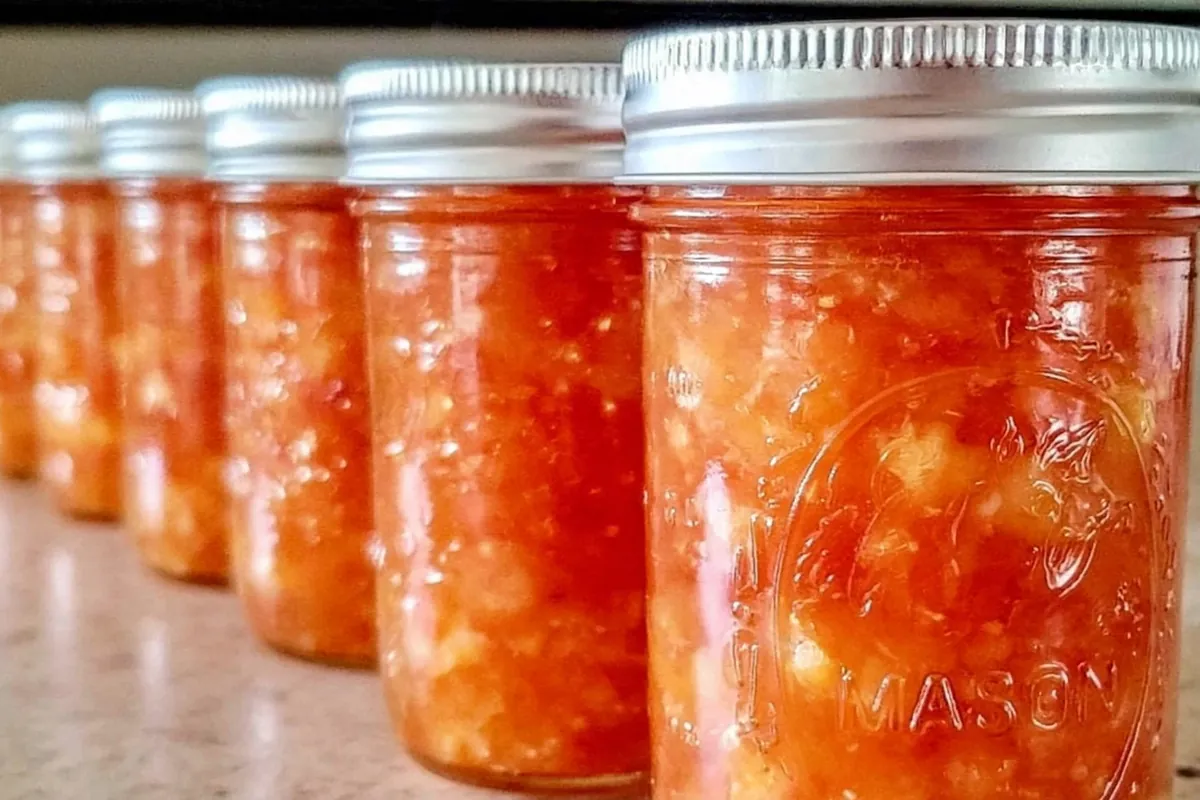
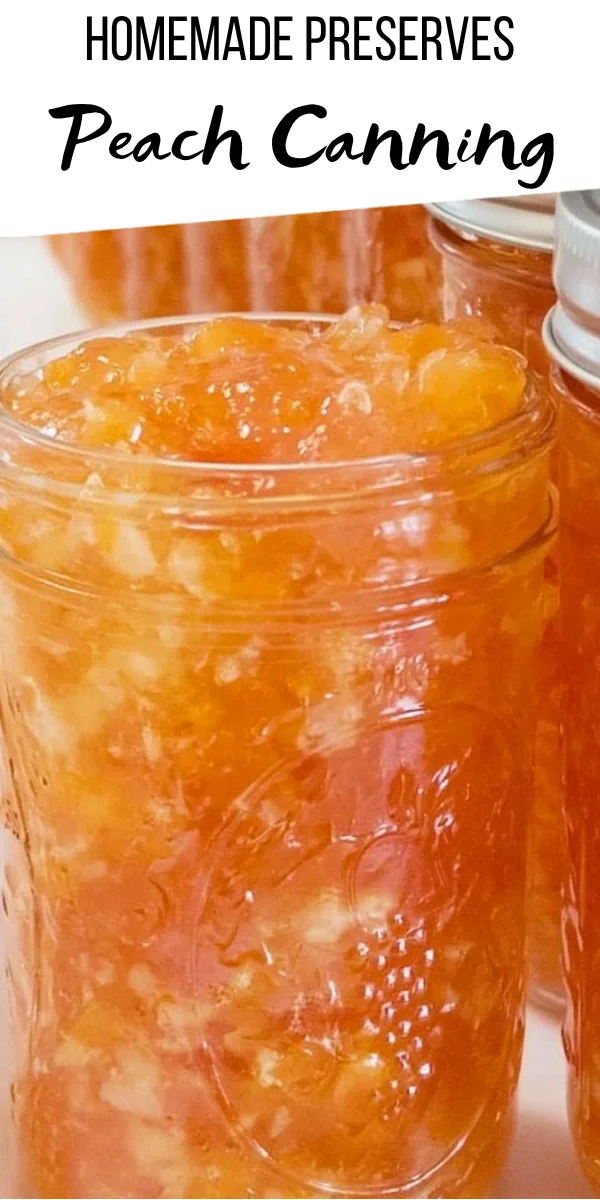
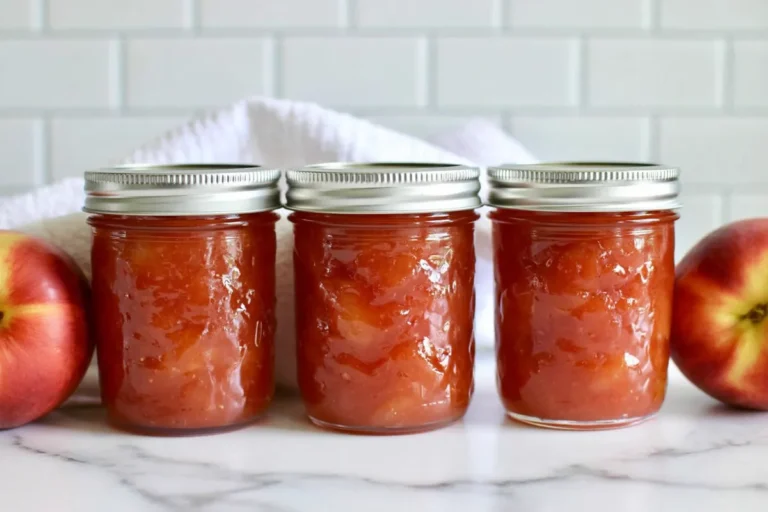
Homemade Peach Preserves are one of the best ways to hold onto ripe peach flavor after summer starts moving too quickly. This version keeps the fruit soft and slightly chunky, so every spoonful feels like real peaches, not just sweet spread.
I like preserves that still have a bit of body. The peaches are cooked down first, measured, then brought together with sugar and dry pectin so the texture sets without losing that fresh fruit character.
Why Homemade Peach Preserves Are Worth Making
There’s a different kind of satisfaction in lining up jars of peach preserves on the shelf. You know exactly what went into them, and you can control the texture more than you can with most store-bought jars.
For this recipe, I don’t cook the peaches until they disappear completely. I mash 1 cup of chopped peaches at the start, then add the rest and let them soften slowly over medium-low heat. That gives the preserves a fruitier texture, with small peach pieces left in the jar.
Use these preserves over warm biscuits, spoon them onto toast, or serve them with plain yogurt. They also make a thoughtful kitchen gift, especially when peaches are at their best.
Ingredients for Homemade Peach Preserves
The ingredient list is simple, so the peaches matter. Choose ripe peaches that smell sweet and give slightly when pressed. Rock-hard peaches won’t break down as nicely, and overripe peaches can taste flat once cooked.
You’ll need chopped peaches, granulated sugar, and dry pectin. The pectin helps the preserves set after a short boil, which keeps the peach flavor brighter than long cooking alone. Since the recipe measures 6 cups of cooked peach mixture back into the pan before adding sugar, don’t skip that measuring step. It keeps the fruit-to-pectin balance more reliable.
I prefer leaving some pieces of peach intact. Not big chunks that slide off a spoon, just enough texture to remind you this came from fresh fruit. That small detail makes the finished preserves feel more homemade in the best way.
Canning Equipment You’ll Need
Clean equipment matters as much as the cooking. Before you start, set out a large saucepan, a heatproof bowl, measuring cups, sterilized jars, lids, rings, a ladle, and a hot water bath canner.
The saucepan should be roomy enough for the peaches to bubble without splattering over the sides. Preserves rise when they boil, especially after the sugar and pectin go in. Give the mixture space.
For the jars, use proper canning jars without chips or cracks along the rim. A damaged rim can keep the lid from sealing. I also like having a clean towel nearby for wiping jar rims before sealing. A little sticky preserve on the rim can interfere with the lid, and it’s an easy thing to miss when you’re moving quickly.
Preparing the Peaches Before Cooking
Start by chopping the peaches into small, even pieces. They don’t have to be perfect cubes. In fact, a little variation gives the preserves a more natural texture once cooked.
Mash 1 cup of chopped peaches in the bottom of the saucepan before adding the rest. This gives the fruit a head start and creates enough juice to keep the peaches from catching on the bottom too early. Keep the heat at medium-low and be patient. You’re looking for the peaches to release their juice and soften into a loose, spoonable mixture.
After about 20 minutes, the peaches should look mostly liquid, with some soft pieces still visible. That’s the point I like. Pour the mixture into a bowl, then measure 6 cups back into the pan. It feels like an extra step, but it helps the preserves set more consistently.
Cooking the Peach Preserves
Once the 6 cups of cooked peaches are back in the pan, add the sugar and bring the mixture to a boil over medium heat. Stir often, especially along the bottom and corners of the saucepan. Peach preserves can thicken quickly once sugar is added, and the fruit can stick before you notice it.
Gradually stir in the dry pectin instead of dumping it all in at once. I like to sprinkle it in while stirring so it dissolves evenly. You’re looking for a steady boil, not a lazy simmer. When the mixture reaches that point, boil it for 1 full minute.
That minute matters. Too short, and the set may be loose. Too long, and the preserves can become tighter than you want after cooling. Remove the pan from the heat as soon as the minute is up. The mixture will still look a little loose while hot, and that’s normal.
Filling Jars and Processing in a Water Bath
Work with sterilized jars while the preserves are still hot. Ladle the peach mixture into each jar, leaving proper headspace near the top. Wipe the rims with a clean towel before adding the lids and rings. Sticky sugar on the rim can keep a lid from sealing well, even when everything else was done right.
Place the filled jars into a hot water bath canner and process for 10 minutes. The jars need to stay upright, covered by water, and spaced so water can move around them. A rolling boil is what you want here, not a quiet pot with a few bubbles.
After processing, let the jars cool without moving them around too much. As they cool, the lids should seal and pull down in the center. Once fully cool, check each seal before placing the jars on the shelf. Any jar that doesn’t seal should go into the refrigerator and be used first.
Safe Storage and Spoilage Signs
Properly sealed jars can be stored on a cool, dry shelf until you’re ready to use them. Keep them away from direct heat and sunlight. I label mine with the date, because even good preserves are better when you know how long they’ve been sitting.
After opening a jar, refrigerate it. Use a clean spoon each time so crumbs, butter, or moisture don’t get introduced into the jar. Small habits like that help the preserves stay fresh longer.
Before serving, check the jar. A loose lid, leaking syrup, mold, bubbling, or an off smell are signs to discard it. Don’t taste preserves that look questionable. Canning is simple once you understand the process, but food safety is where I don’t take shortcuts.
A Jar of Summer for Later
Homemade Peach Preserves are practical, generous, and worth the shelf space. The key is to cook the peaches gently, measure the fruit mixture carefully, and process the filled jars properly.
Serve them on biscuits, toast, pancakes, or anything that needs a little summer sweetness. Every recipe I share is an invitation from my kitchen to yours.
Homemade Peach Preserves
Ingredients
Method
- Mash 1 cup chopped peaches in the bottom of a large saucepan.
- Add the remaining chopped peaches and place the pan over medium-low heat.
- Bring the peaches to a low boil and cook for about 20 minutes, or until the peaches become mostly liquid while leaving some soft chunks.
- Pour the cooked peaches into a bowl, then measure 6 cups of the peach mixture back into the pan.
- Add the sugar and bring the mixture to a boil over medium heat, stirring often.
- Gradually stir in the dry pectin and boil for 1 full minute.
- Remove the pan from the heat after 1 minute.
- Transfer the hot preserves into sterilized jars.
- Process the filled jars in a hot water bath canner for 10 minutes.
- Let the jars cool completely, then place sealed jars on the shelf until ready to use.
- Refrigerate after opening.
Notes
- Use ripe peaches that smell sweet and give slightly when pressed.
- Leave a few soft peach chunks in the mixture for a more homemade texture.
- Wipe jar rims clean before adding lids so the jars seal properly.
- Any jar that does not seal should be refrigerated and used first.
- Discard preserves if the lid is loose, the jar leaks, mold appears, bubbling is visible, or the preserves smell off.