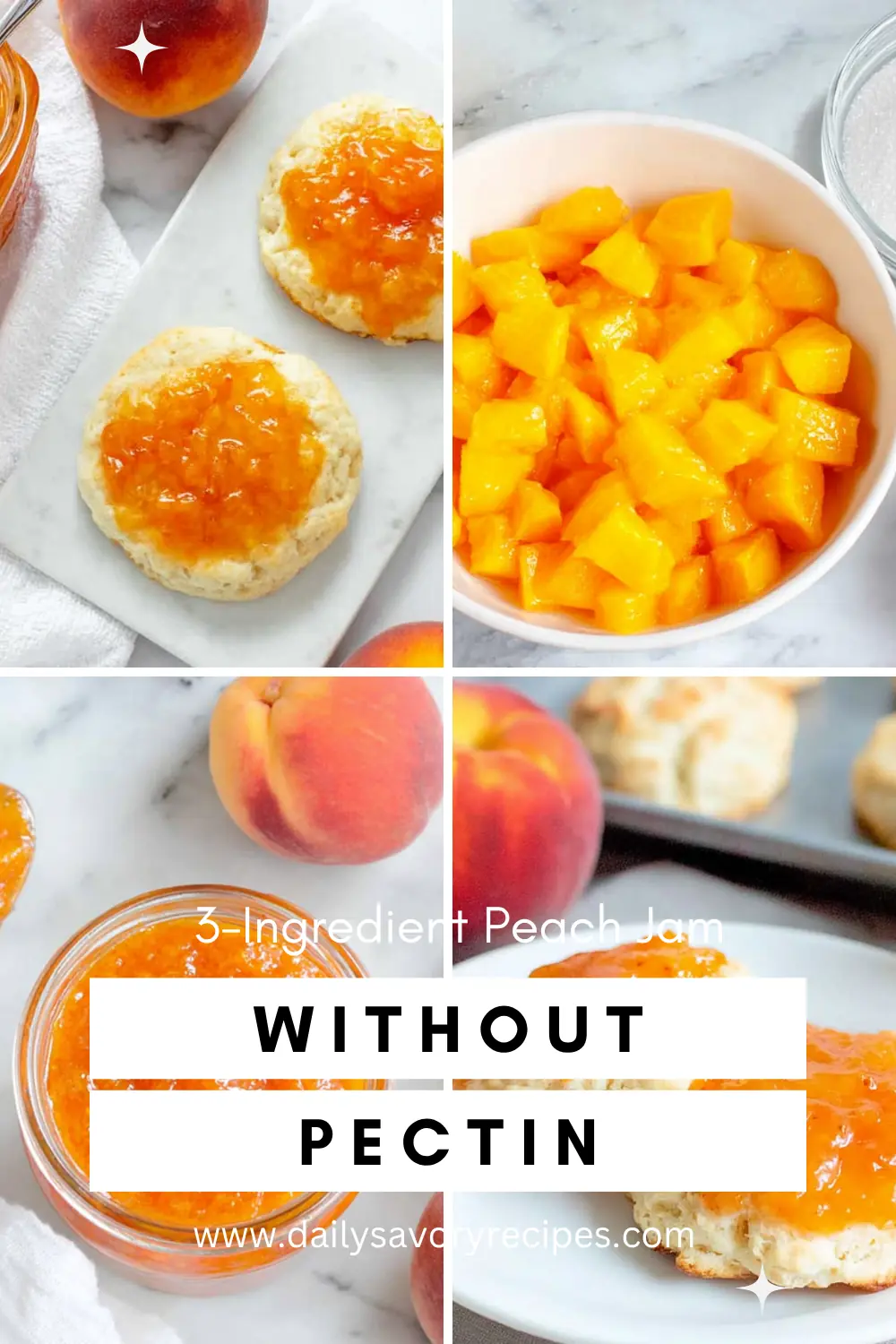

Peach Jam Without Pectin: A Simple Small-Batch Recipe

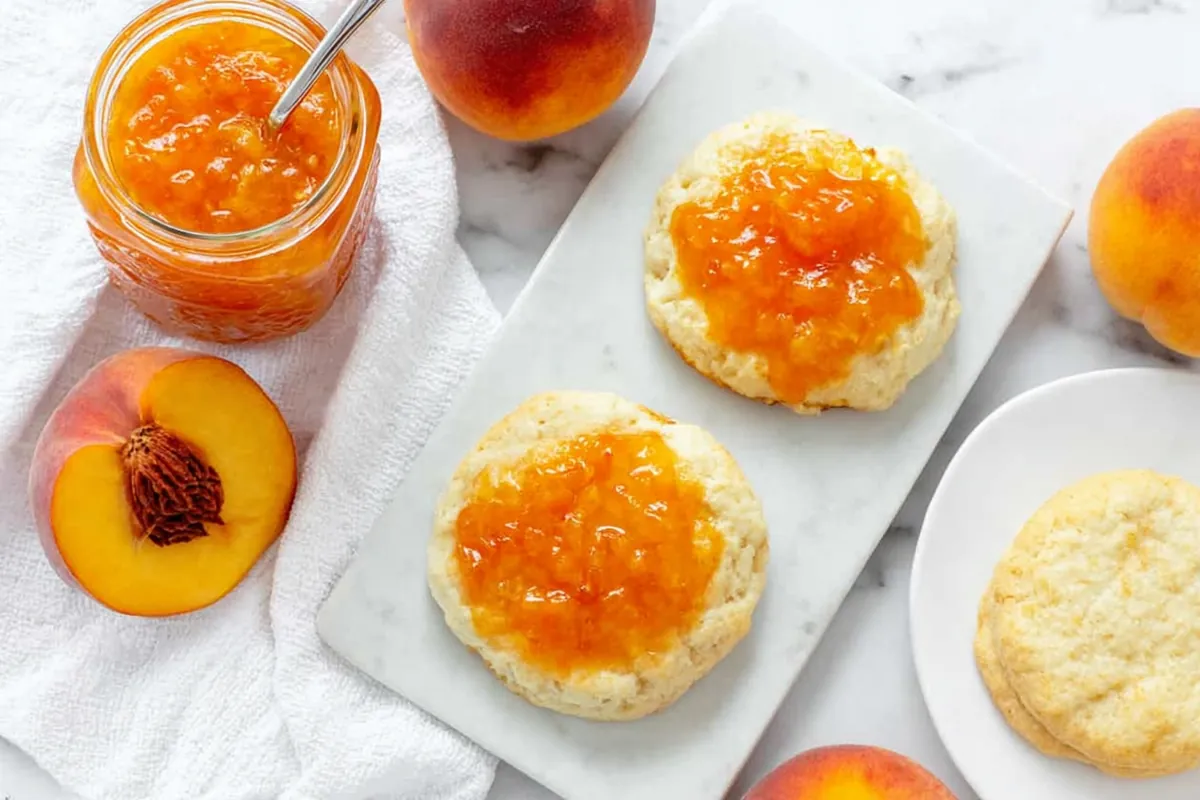
Peach Jam Without Pectin is one of the easiest ways to capture the flavor of ripe summer peaches without relying on specialty ingredients. With just peaches, sugar, and lemon juice, the fruit thickens naturally as it cooks down.
I like this version because it keeps the ingredient list short and lets the peaches do most of the work. The slow reduction creates a rich texture and concentrated flavor that works beautifully on everything from toast to ice cream.
You’ll also learn how to recognize when the jam is ready, how to store it properly, and a few simple ways to adapt it to your taste.
What to Expect From This Small-Batch Peach Jam
This recipe is designed for the refrigerator, not the pantry shelf. From about 2 pounds of peaches, you’ll end up with roughly 1½ to 2 cups of jam, enough for a couple of jars and several breakfasts.
The texture lands somewhere between a traditional preserve and a smooth spread. Because there isn’t any commercial pectin involved, the consistency comes from reducing the fruit’s natural moisture. Don’t expect it to look thick while it’s still hot. In fact, I usually pull it from the stove when it’s slightly looser than I want. After about 30 to 60 minutes of chilling, it firms up noticeably.
For anyone making homemade jam for the first time, this small batch keeps things manageable. No water bath. No special equipment. Just a saucepan and a little patience.
Understanding Jam, Jelly, and Preserves
These three spreads often get grouped together, but they’re made differently.
Jelly is prepared from fruit juice, which gives it a smooth, clear appearance. Preserves contain larger chunks of fruit and tend to have a more rustic texture. Jam sits comfortably in the middle. The fruit is crushed or chopped and cooked until it becomes spreadable while still retaining some texture.
This Peach Jam Without Pectin is firmly in the jam category. As the peaches soften during cooking, they break down naturally into small pieces. The result is a spread that tastes distinctly like fresh peaches rather than a sweetened fruit syrup.
That texture is one reason I prefer jam for home use. It feels closer to the fruit itself.
Ingredients for Peach Jam Without Pectin
A short ingredient list means each ingredient matters.
You’ll need fresh ripe peaches, granulated sugar, and fresh lemon juice. That’s it. Since there are only three ingredients, quality makes a difference. Peaches that smell fragrant near the stem and yield slightly when pressed tend to produce the best flavor.
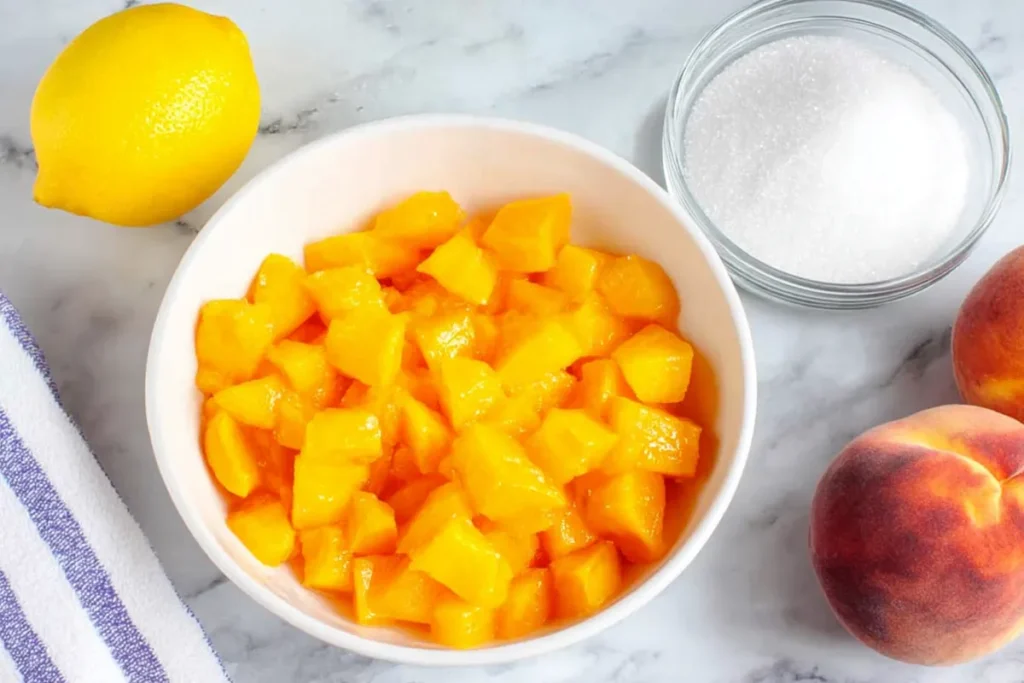
Choosing Ripe Peaches
Very firm peaches can work, but they’ll usually need longer cooking to soften fully. Overripe peaches are fine too, provided they haven’t developed bruised or fermented spots.
I often choose peaches that are just past peak ripeness for jam. Their natural sugars are more developed, which creates deeper flavor during the reduction process. If the peaches are extremely sweet, you may find that ¾ cup sugar is enough.
Why Lemon Juice and Sugar Matter
Sugar does more than sweeten the fruit. It helps draw moisture from the peaches and contributes to the final texture as the mixture reduces.
Lemon juice serves two purposes. First, it balances the sweetness. Second, its acidity helps support the natural setting process. Even though the amount is small—about 1 to 2 tablespoons—I wouldn’t skip it.
Fresh lemon juice generally gives the cleanest flavor, especially in recipes this simple.
How to Make Peach Jam Without Pectin
Start by combining the chopped peaches, lemon juice, and sugar in a medium saucepan over medium-high heat. Stir everything together and watch as the sugar begins pulling moisture from the fruit. Within a few minutes, the peaches will release enough liquid to create a bubbling syrup.
Once the mixture reaches a steady boil, continue stirring for about 1 minute. This initial boil helps dissolve the sugar completely and starts the reduction process. After that, lower the heat to medium and continue cooking for roughly 10 minutes, stirring regularly. You’ll notice the liquid gradually decreasing while the peach pieces soften and break apart.
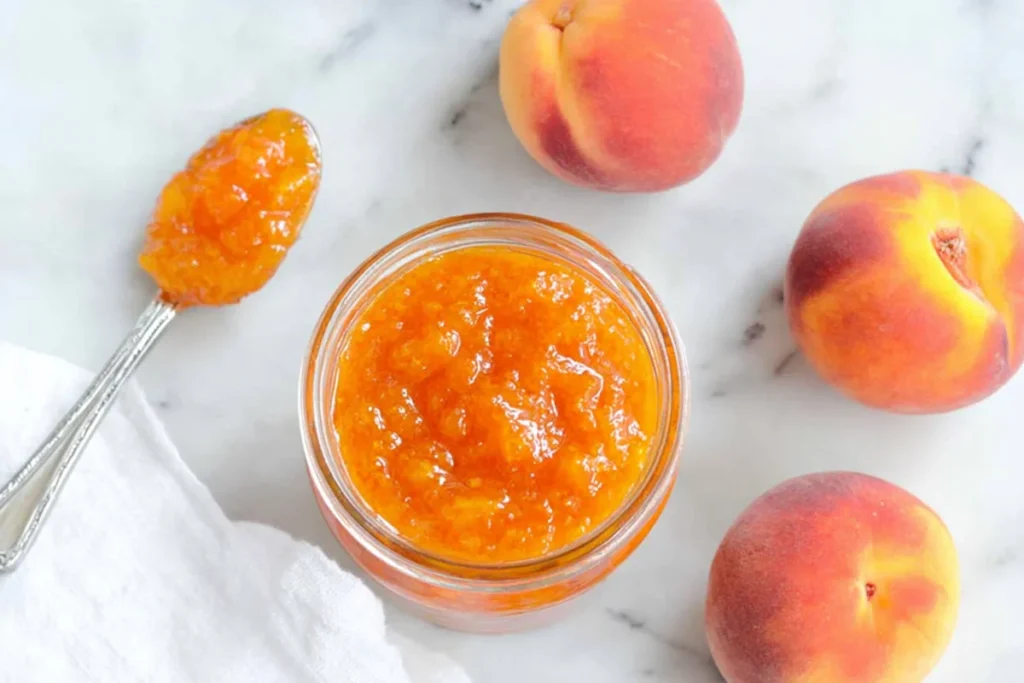
The next stage requires a little attention. Reduce the heat to a very gentle simmer and allow the mixture to continue cooking until the volume has reduced by about half. Rather than relying strictly on a timer, I look for a visual cue. Drag a spatula across the bottom of the pan. If you can briefly see the bottom before the jam flows back together, you’re getting close.
Another sign is how the bubbles behave. Early in cooking, they’re fast and watery. Later, they become slower, thicker, and more concentrated. That’s usually when I know it’s time to remove the pan from the heat.
Helpful Tips and Easy Variations
Peeling the peaches is optional. If you want a smoother jam, peel them before chopping. If you don’t mind a little texture, leave the skins on; they soften as the jam cooks and add a light rosy color to the finished spread.
For sweetness, start with ¾ cup sugar if your peaches are very ripe. Use closer to 1 cup if the fruit tastes mild or slightly tart. I don’t recommend cutting the sugar too aggressively because it helps the jam reduce properly and gives the finished texture more body.
Frozen peaches can work in this recipe, but thaw them first and drain off excess liquid. Otherwise, the jam may take longer than 20 minutes to reduce. For a small flavor change, add a pinch of cinnamon, a few drops of vanilla, or a tiny bit of grated ginger near the end of cooking. Keep it light. Peach should stay in front.
Storing Your Homemade Peach Jam
Once the jam is off the heat, let it cool for about 30 minutes before transferring it to a clean airtight jar or container. It will still look a little loose at this point. That’s normal. After another 30 minutes to 1 hour in the refrigerator, the texture becomes thicker and easier to spread.
Store this Peach Jam Without Pectin in the refrigerator and use it within about 2 weeks for the best flavor and texture. Use a clean spoon each time so the jam stays fresh longer.
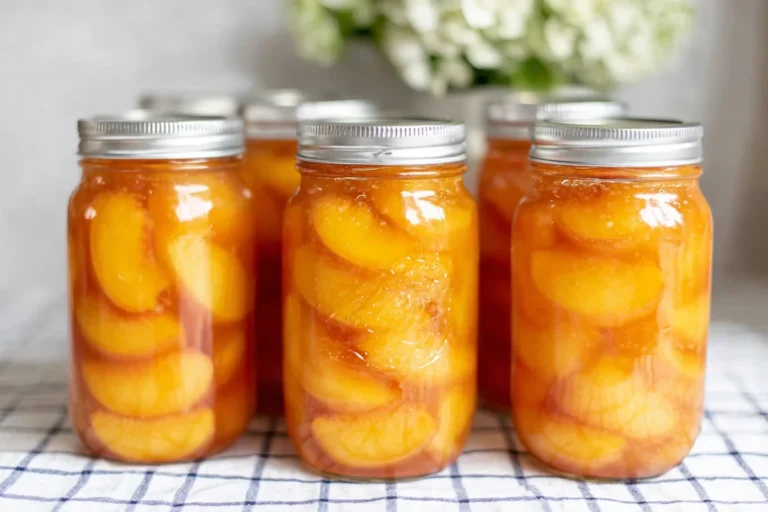
This recipe is not written for shelf-stable canning. The sugar and lemon juice amounts are designed for a quick refrigerator jam, not long-term pantry storage. If you want a jam that can sit safely on a shelf, use a tested canning recipe with exact acidity, jar processing, and timing guidelines. Worth being careful there.
You can also freeze this jam. Leave a little space at the top of the container because it will expand as it freezes. Thaw it overnight in the refrigerator before using.
Favorite Ways to Serve Peach Jam
Warm toast is the obvious choice, and for good reason. The jam softens slightly and sinks into the bread without running everywhere.
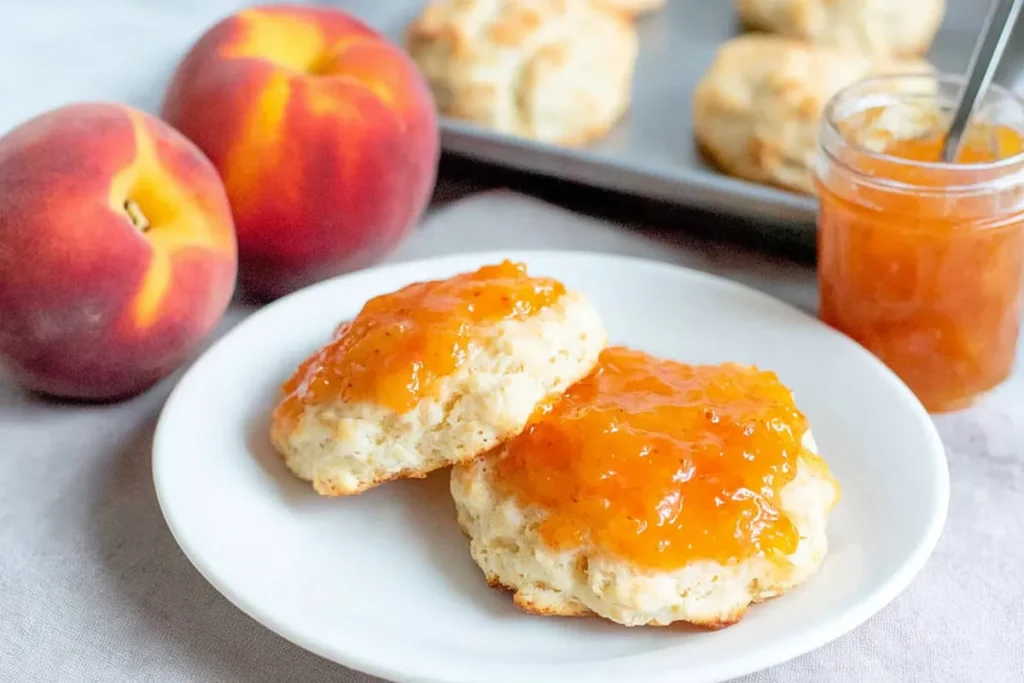
I also like it with biscuits, English muffins, pancakes, or waffles. A spoonful stirred into plain yogurt gives you fruit-on-the-bottom flavor without buying a separate cup. It works nicely over oatmeal too, especially with a few toasted nuts on top.
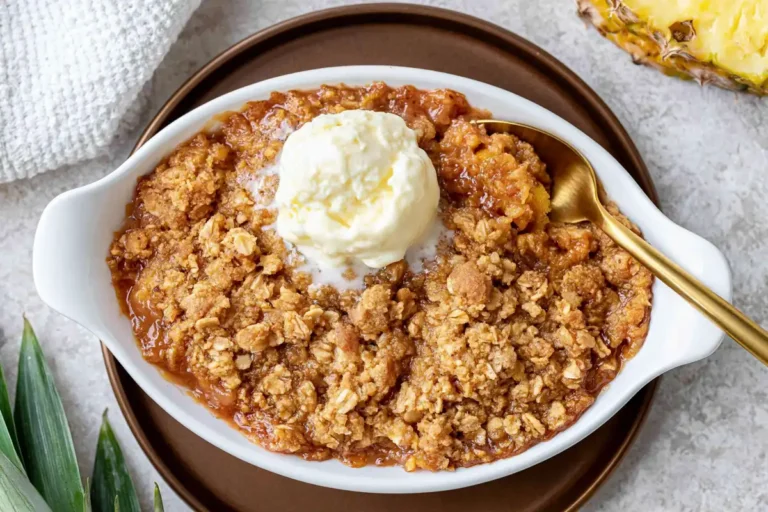
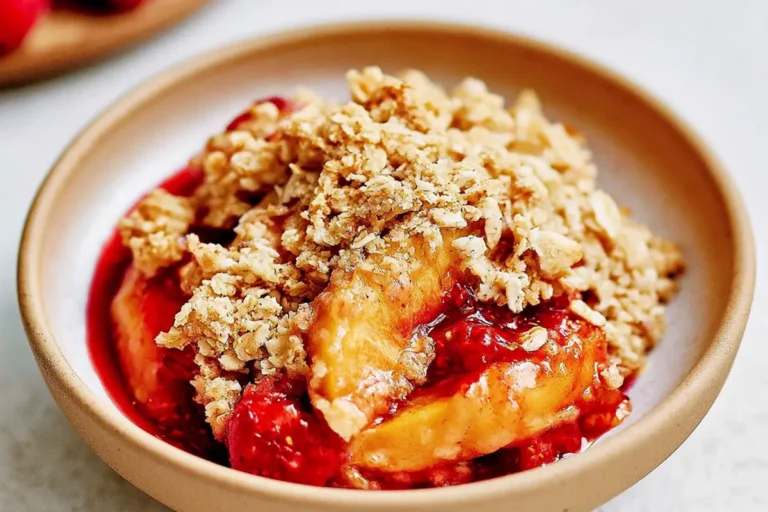
For dessert, try it over vanilla ice cream or spooned onto pound cake. Because the jam has lemon juice in it, it has enough brightness to cut through richer foods. That little bit of acidity keeps it from tasting flat.
It can even go savory. A small amount brushed over roasted chicken or served with soft cheese makes a simple appetizer feel more finished.
Frequently Asked Questions
Do I need freestone peaches?
Freestone peaches are easier to prep because the pit pulls away from the flesh cleanly. That said, clingstone peaches still work. You’ll just spend a little more time cutting the fruit away from the pit. For a small batch, either one is fine.
How ripe should the peaches be?
Use peaches that smell sweet and give slightly when pressed. They should not feel rock-hard, and they should not have fermented or mushy spots. Slightly soft peaches are often excellent for jam because their flavor is more developed.
Can I leave the skins on?
Yes, you can leave the skins on. They soften during cooking and add texture. If you prefer a smoother spread, peel the peaches first or mash the jam more thoroughly as it cooks.
Why is lemon juice important?
Lemon juice balances the sweetness and adds acidity. In this small-batch recipe, it also helps support the natural thickening of the fruit as the jam reduces. Fresh lemon juice gives the cleanest flavor.
A Small Jar Worth Keeping Around
A good peach jam doesn’t need to be complicated. Cook the fruit down slowly, watch the texture, and stop before it gets too thick in the pan.
This is the kind of recipe I keep for ripe peaches that need a purpose. Simple ingredients, a short cook time, and a jar of homemade jam ready for breakfast. Every recipe I share is an invitation from my kitchen to yours.
Peach Jam Without Pectin
Ingredients
Method
- Combine chopped peaches, sugar, and lemon juice in a medium saucepan over medium-high heat.
- Bring the mixture to a boil, stirring constantly, and boil for 1 minute.
- Reduce heat to medium and cook for about 10 minutes, stirring often, until the liquid reduces by about one-third.
- Lower the heat to a gentle simmer and continue cooking until the jam reduces by about half and thickens noticeably.
- Test for doneness by dragging a spatula across the bottom of the pan; the bottom should remain visible briefly before filling in.
- Remove from heat and cool for about 30 minutes.
- Transfer to a clean airtight jar or container.
- Refrigerate for 30 to 60 minutes before serving to allow the jam to thicken further.
Notes
- Use ripe peaches for the best flavor.
- The jam will appear slightly loose while hot and will thicken as it cools.
- Store in the refrigerator for up to 2 weeks.
- Freeze for longer storage.
- This recipe is intended for refrigerator storage and is not designed for shelf-stable canning.