
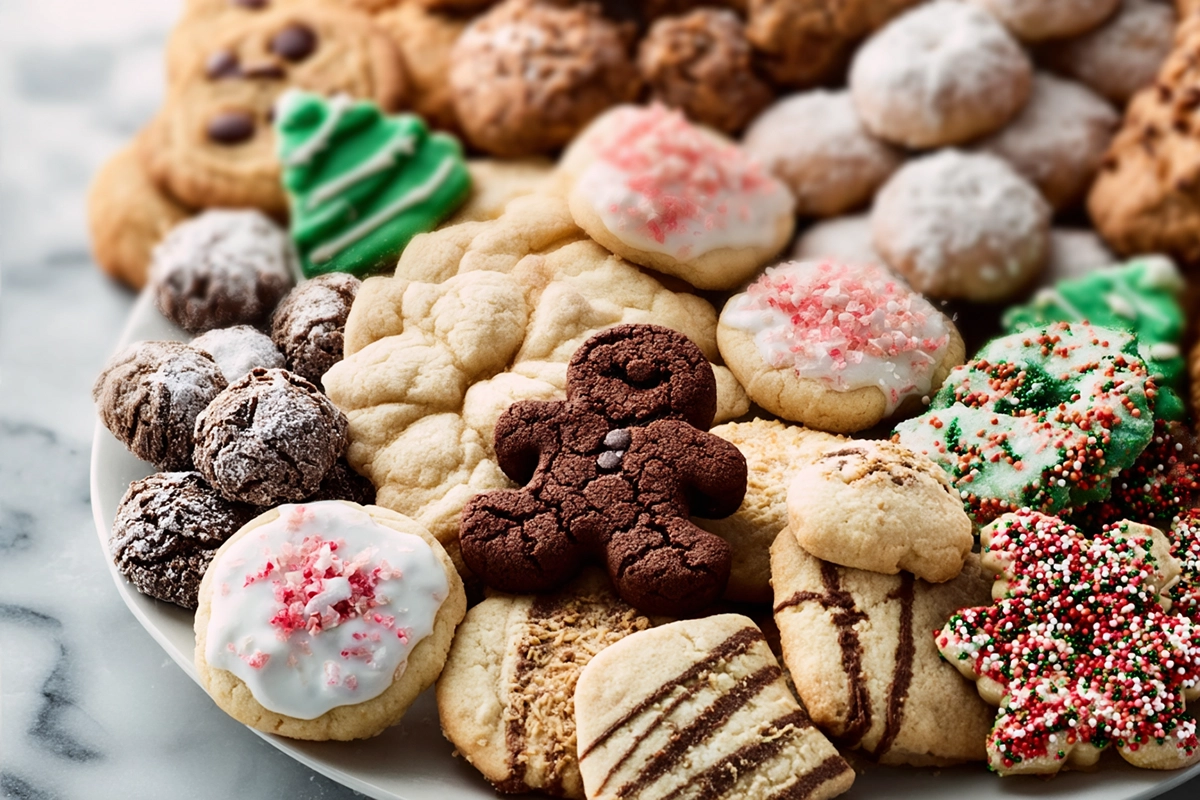
Holiday Cookies That Actually Earn Their Spot

The first thing you notice isn’t the chocolate — it’s the smell. Warm cocoa, molasses, and spice hit the kitchen before the cookies even set. Then comes the texture: a light crunch from the sugar on the outside, followed by a soft, almost fudgy center, finished with a pool of bittersweet chocolate that sets just firm enough to hold its shape. These are the holiday cookies people keep reaching for even when the tin is already full.
Most holiday cookies lean hard on nostalgia or looks alone. These manage both, but what makes them dependable is how controlled they are. The dough behaves, the shape holds, and the flavors stay balanced instead of tipping into overly sweet or overly spiced. They feel festive without feeling fragile — which matters when you’re baking for gatherings, gifting, or just trying to get through a busy week without babysitting a tray of cookies.
I’m drawn to recipes like this because they reward attention without demanding perfection. There’s a clear reason for every ingredient and every choice, from the type of sugar to the way the chocolate filling is finished. When you follow it as written, you get the same result every time: crisp edges, soft centers, and cookies that still taste good on day three. That’s the kind of reliability I look for, especially during the holidays when time and patience are already stretched thin.
Table of Contents
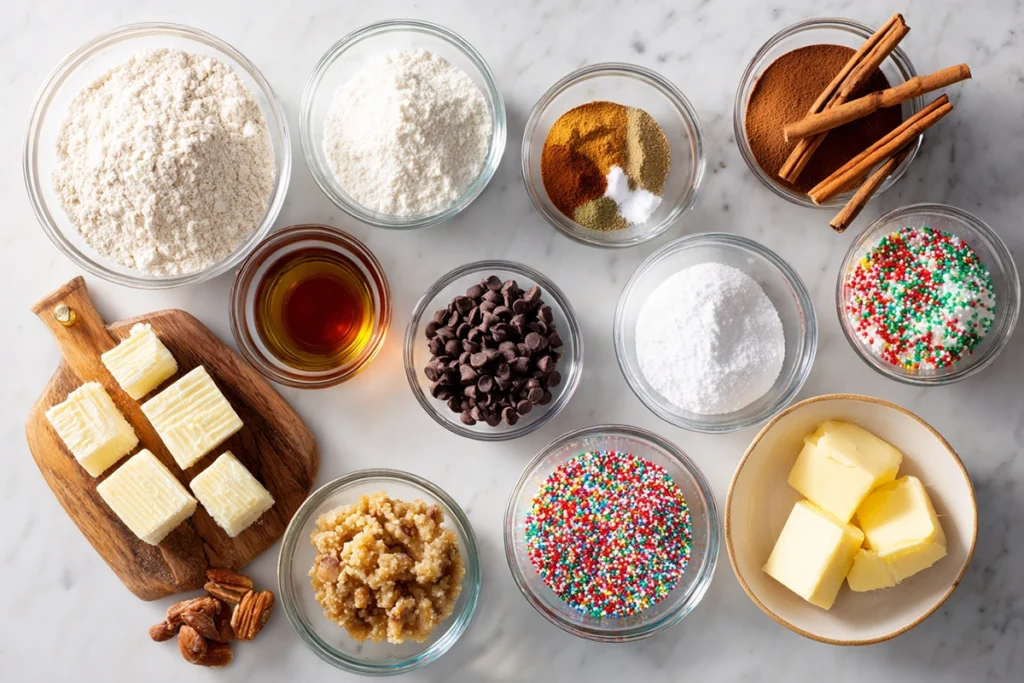
Ingredients That Pull Their Weight
All-Purpose Flour
This recipe uses standard all-purpose flour, and that’s exactly what it needs. You want structure without toughness here, and specialty flours don’t improve the result. If you bake often, a reliable brand like King Arthur is worth it for consistency, but any fresh, properly stored flour will work.
Dutch-Process Cocoa
Dutch-process cocoa gives these cookies their deep color and smooth chocolate flavor without extra bitterness. Natural cocoa changes the acidity and throws off the balance with the baking soda, so this is one place I wouldn’t substitute. If your cocoa smells flat or dusty, replace it — cocoa quality shows up fast in a recipe this simple.
Warm Spices (Cinnamon, Ginger, Allspice)
These aren’t here to overpower the chocolate. They sit underneath it, adding warmth that reads as “holiday” without turning the cookie into a spice bomb. Pre-ground spices are fine, but if yours have been sitting open for years, the flavor will be muted.
Unsalted Butter
Room-temperature butter matters more than brand here. It needs to cream smoothly with the sugar to build the right texture. Salted butter introduces variability, which is exactly what I avoid in baking.
Muscovado or Dark Brown Sugar
This is the ingredient that carries the cookie. Muscovado brings moisture, depth, and a subtle molasses note that ties everything together. Dark brown sugar works if that’s what you have, but light brown won’t deliver the same richness.
Molasses
Molasses reinforces the spice and keeps the centers soft. Use regular unsulphured molasses, not blackstrap, which is too bitter for this application. This is another ingredient where precision matters more than creativity.
Turbinado Sugar
This is where you get crunch and sparkle. The inexpensive grocery-store version is perfectly fine — you’re using it for texture, not flavor nuance. Rolling the dough thoroughly ensures even coverage and a consistent finish.
Bittersweet Chocolate
For the filling, choose a chocolate you’d actually eat on its own. Wafers melt smoothly, but chopped bars work too as long as they’re bittersweet. Avoid milk chocolate here; it makes the cookies cloying and softens too much at room temperature.
Vanilla and Egg
Both play supporting roles. The vanilla rounds out the chocolate, and the egg binds everything without making the dough cakey. Stick to standard large eggs for predictable results.
These ingredients aren’t flashy, but every one of them earns its place. When they’re chosen thoughtfully and used as intended, the cookies come out consistent — which is exactly the point.
How These Holiday Cookies Come Together (Without Guesswork)
Building a Dough That Holds Its Shape
This dough starts like many reliable cookie bases, but it behaves differently once the molasses and cocoa are in play. As you cream the butter and sugar, watch the color lighten slightly, and the texture turn fluffy rather than glossy — that’s your visual cue that enough air is incorporated. When you touch the finished dough, it should feel soft and slightly tacky, like a Post-it note that’s lost some stick, not wet or greasy. The smell at this stage is subtle but telling: cocoa with a faint warm spice note, not sharp or sugary.
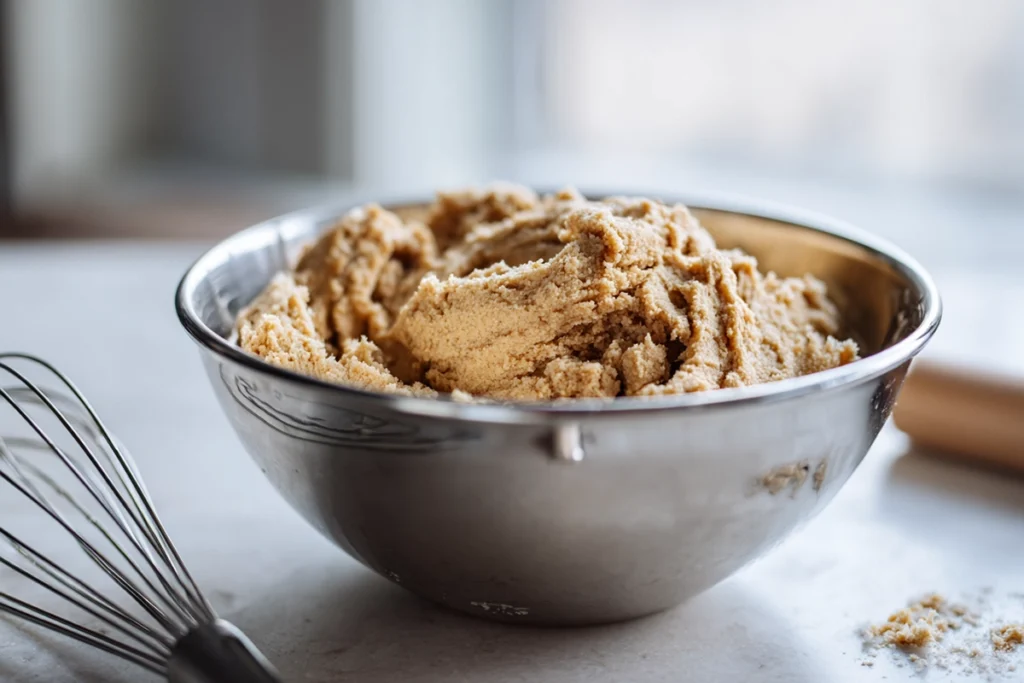
Once chilled, the dough firms up just enough to be manageable. When you scoop it, it should feel cool and dense in your hand, not crumbly or rock-hard. If you roll a ball and it cracks immediately, it’s too cold; if it slumps, it’s too warm. You’re aiming for a dough that rolls smoothly and holds its round shape on the pan without spreading before it ever hits the oven.
Sugar Coating and Shaping for Control
Rolling the dough in turbinado sugar isn’t just cosmetic. As you coat each ball, you should hear the grains lightly scrape against the dough — that dry sound tells you the surface moisture is right. Visually, the sugar should cling evenly without bald spots. If it looks patchy, the dough is too dry; if it melts in, the dough has warmed up too much.
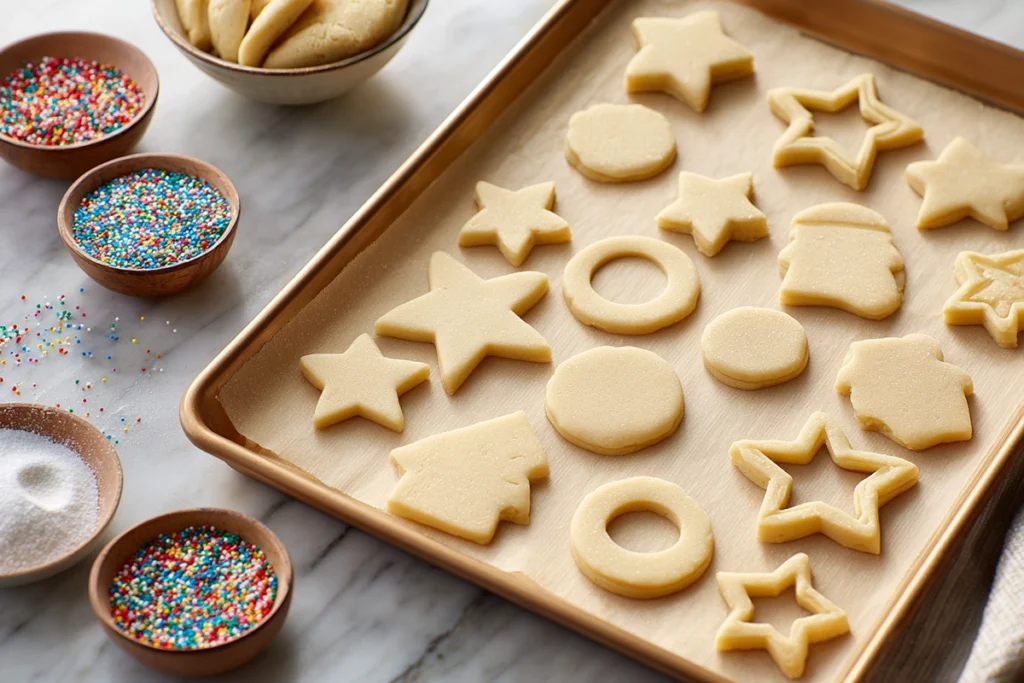
When the cookies bake, pay attention to the edges first. You’re looking for a set, matte ring forming around the outside while the center still looks darker and softer. When you press the indentation, the cookie should yield easily under gentle pressure, almost like pressing into warm modeling clay. If you hear a crack or feel resistance, you waited too long.
Finishing with the Chocolate Center
The filling should melt smoothly and quietly — no sizzling, no scorched smell. As you stir, it should turn glossy and fluid, thick enough to ribbon off the spoon but not stiff. The smell matters here: deep chocolate with a hint of molasses warmth, not burnt cocoa.
When piping the filling, it should settle into the indentation without overflowing. Visually, the surface will level itself after a few seconds. As it sits, the sheen dulls slightly, and when you touch it lightly, it should feel firm but not brittle. That’s the point where these cookies are ready to stack, gift, or store without smearing.
Where Holiday Cookies Usually Go Wrong
Dough That Spreads Too Much
If these cookies flatten instead of holding a neat round shape, the dough temperature is almost always the issue. Warm dough feels greasy to the touch and leaves residue on your fingers. When baked, it smells good but loses structure fast. Chilling isn’t optional here — it’s what gives you control.
Shallow or Disappearing Thumbprints
This happens when the indentation isn’t deep enough while the cookies are still hot. If the center springs back immediately when pressed, the cookie hasn’t relaxed yet. You should feel a gentle give, and the indentation should stay visible without tearing the surface.
Ganache That Won’t Set
If the centers stay soft for hours, the chocolate-to-butter balance is off, or the room is too warm. The filling should smell rich, not oily. Visually, if it looks dull and greasy instead of glossy, it was overheated. Letting the cookies rest in a cooler spot usually fixes this without refrigeration.
These are small details, but they’re the difference between cookies that look nice and holiday cookies you can trust to turn out the same way every time.
Make Them Your Own (Without Losing What Works)
Espresso-Boosted Chocolate
If you want the chocolate to read darker and more intense without making the cookies sweeter, add espresso powder directly to the cocoa. I keep it subtle — enough to deepen the flavor, not enough to make the cookies taste like coffee. You’ll smell it when the dough comes together: richer cocoa, slightly toasted. Visually, the dough will look the same, but the finished cookies taste more grown-up and less candy-like.
Orange-Scented Holiday Cookies
For a brighter, festive twist, add finely grated orange zest to the dough. This works because the citrus oils lift the molasses and spice rather than competing with them. Use a microplane and stop as soon as you smell fresh orange; too much turns bitter once baked. The result is still recognizably chocolate molasses, just lighter on the palate.
Gluten-Free (Tested, With Caveats)
A measure-for-measure gluten-free flour blend works here, but the texture changes. The cookies bake up slightly denser, and the surface won’t crack quite as delicately. I’ve found they benefit from a slightly longer bake to fully set the edges. Let them cool completely before filling, or the centers can sink.
Serving, Gifting, and Storing These Cookies
I like these most once the chocolate has set, but the cookie is still soft — usually a few hours after filling. They’re rich enough to serve on their own, but they pair especially well with coffee or black tea, where the bitterness balances the sweetness. On a holiday cookie tray, they tend to disappear first because they look polished without being fussy.
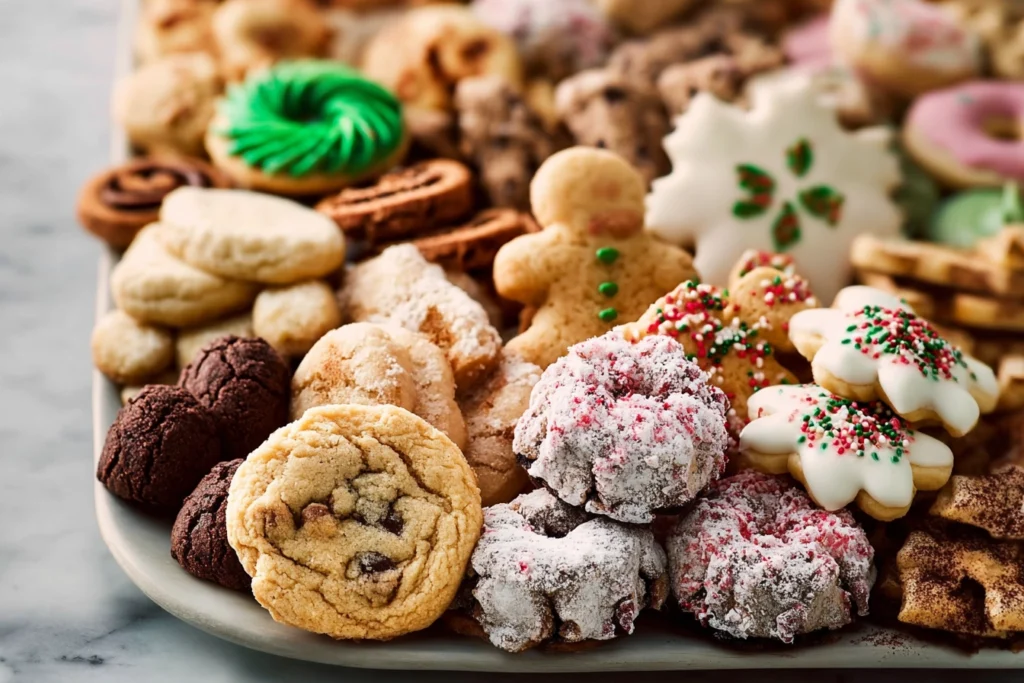
For storage, keep them in a well-sealed container at room temperature. The sugar coating protects the texture, so they stay good for several days. Avoid the refrigerator; cold air dulls the chocolate and dries the crumb. If you’re freezing, freeze the unfilled cookies in a single layer, then transfer to a freezer bag. Thaw at room temperature and fill the same day for the best finish.
Cookies Worth Baking Every December
These holiday cookies aren’t about novelty — they’re about repeatable results and a flavor that feels right every time you open the tin. When a recipe smells right, looks right, and behaves the same batch after batch, that’s when it earns a permanent place in the rotation.
Get inspired with more mouthwatering recipes! Follow me on Pinterest for new cooking ideas every week.
Frequently Asked Questions
Why did my thumbprints puff up and lose the indentation?
This usually means the dough was too warm or the indentation wasn’t deep enough while the cookies were still hot. When you press the center, the cookie should feel soft and yielding, not springy. If it springs back immediately, wait about 30 seconds and press again while the cookie is still warm.
Can I skip chilling the dough if I’m short on time?
No — chilling is what keeps these holiday cookies from spreading. Without it, the butter is too soft, and the cookies flatten before the structure sets. If you’re rushing, you can shorten the chill slightly, but the dough must feel cool and firm to the touch before baking.
What’s the best chocolate to use for the ganache center?
Bittersweet chocolate works best because it balances the sweetness of the cookie. Chocolate wafers melt smoothly, but a chopped bittersweet bar is fine too. Avoid milk chocolate; it makes the centers overly sweet and too soft at room temperature.
Can I make these cookies larger or smaller?
Yes, but size affects timing. Smaller cookies bake faster and need shallower indentations. Larger cookies need a deeper well and a slightly longer bake so the edges set before the centers collapse. Keep the dough temperature the same regardless of size.
How far ahead can I make these for holiday baking?
You can bake the cookies up to 3 days ahead and store them unfilled at room temperature, tightly covered. Fill them the day you plan to serve or gift them for the cleanest look and best texture.
Do these cookies ship well in holiday cookie boxes?
Yes, as long as the ganache is fully set. Layer them with parchment and avoid stacking too high. They’re sturdier than most thumbprint cookies, which makes them a good choice for gifting and shipping.
PrintHoliday Cookies
Rich holiday cookies with chocolate molasses flavor, crisp sugar edges, and soft centers. A tested thumbprint recipe that bakes up reliably.
- Prep Time: 25 minutes
- Cook Time: 15 minutes
- Total Time: 2 hours 40 minutes
- Yield: 48 cookies 1x
- Category: Dessert
- Method: Baking
- Cuisine: American
- Diet: Gluten-Free
Ingredients
- 1 1/2 cups all-purpose flour
- 6 tablespoons Dutch-process cocoa powder
- 3/4 teaspoon cinnamon
- 3/4 teaspoon baking soda
- 1/2 teaspoon salt
- 1/2 teaspoon ground ginger
- 1/8 teaspoon allspice
- 10 tablespoons unsalted butter
- 1/2 cup muscovado sugar
- 1 teaspoon vanilla extract
- 1 large egg
- 1/4 cup molasses
- 1/2 cup turbinado sugar
- 2/3 cup bittersweet chocolate
- 4 tablespoons unsalted butter
- 1 tablespoon molasses
Instructions
- Whisk flour, cocoa, spices, baking soda, and salt.
- Cream butter and sugar until light and fluffy.
- Mix in egg, vanilla, and molasses.
- Stir in dry ingredients until combined.
- Chill dough until firm.
- Roll dough into balls and coat in sugar.
- Bake until edges are set and centers are soft.
- Press indentations and finish baking.
- Melt chocolate with butter and molasses.
- Fill cookies and let ganache set.
Notes
- Store filled cookies at room temperature.
- Freeze unfilled cookies for longer storage.
Nutrition
- Serving Size: 1 cookie
- Calories: 120
- Sugar: 12
- Sodium: 85
- Fat: 6
- Saturated Fat: 4
- Unsaturated Fat: 2
- Trans Fat: 0
- Carbohydrates: 16
- Fiber: 1
- Protein: 2
- Cholesterol: 20