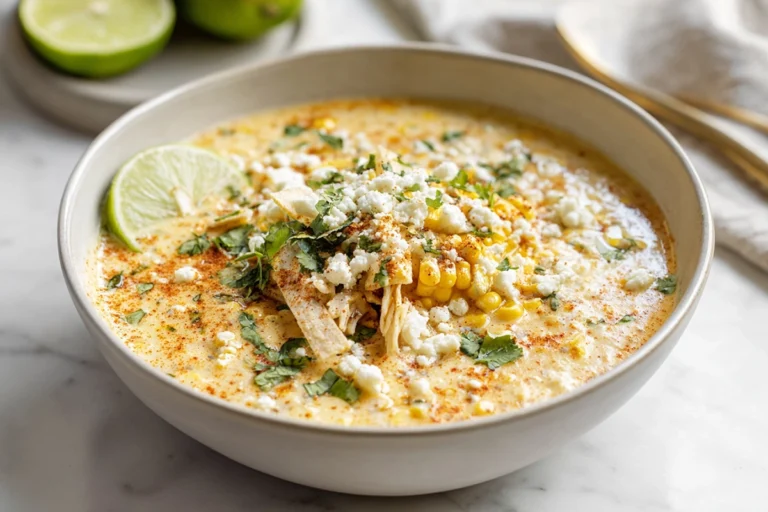

The White Chicken Chili That Actually Stays Creamy

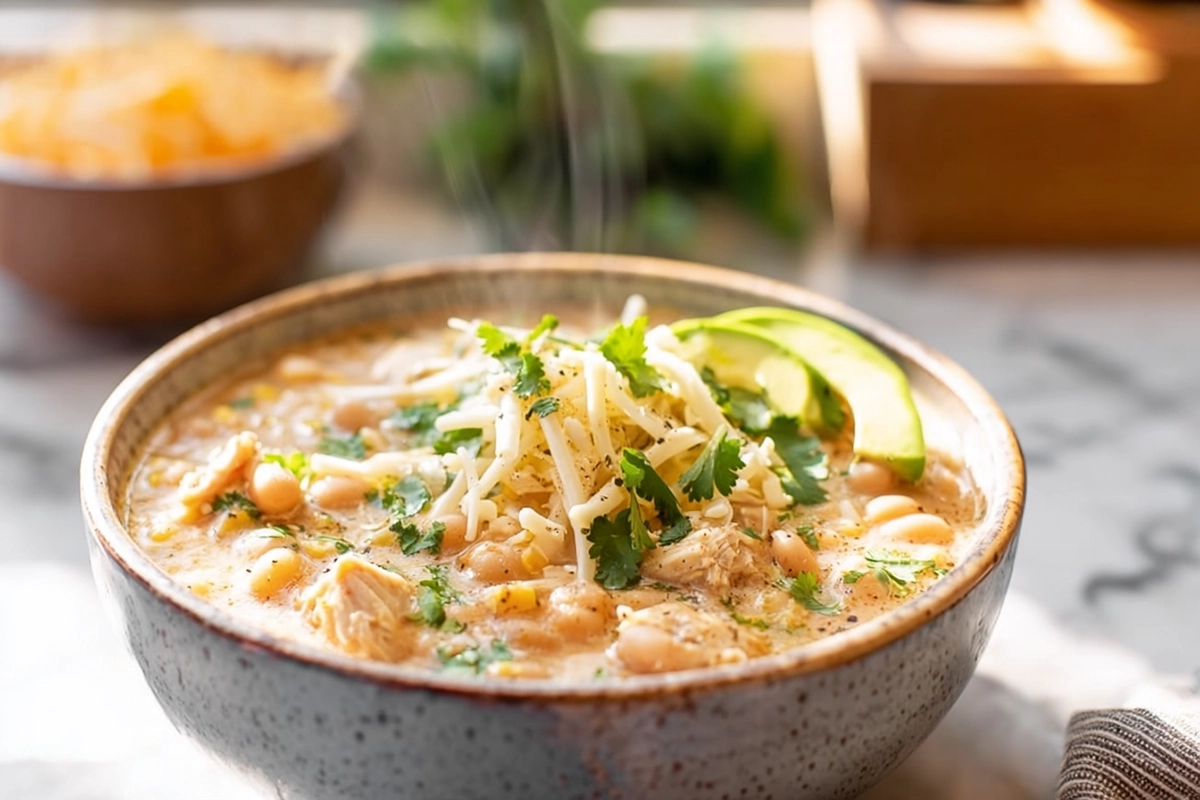
If you’ve ever chased that cozy, spoon-clinging comfort you expect from White Chicken Chili, you already know the smell I’m talking about—the warm cumin blooming in hot oil, the gentle tang of green chilies, that soft creamy steam when you lift the lid. This is the kind of bowl that fogs your glasses and makes you slow down between bites. It’s comforting without being heavy, rich without screaming “cheese,” and it’s the reason I keep canned beans in my pantry year-round.
Here’s the problem with most white chicken chili recipes: they lie to you. They promise “creamy” but deliver broth with chicken floating in it. Or worse, they dump in dairy the wrong way and you end up with grainy soup that looks broken before it ever hits the table. Some rely on straight heavy cream, which turns the whole thing flat and one-note. Others are so obsessed with heat that you lose the actual flavor of the chili.
This version works because it respects the balance. There’s a reason behind every ingredient and a very specific order to how they matter. I’m not trying to reinvent chili here—I just want it to be reliable. The kind of recipe you can make on a cold weeknight without babysitting the stove, knowing it’ll taste just as good tomorrow. That’s always my promise: if I say it works, it works every time.
Table of Contents
No-Regret Ingredients (And Why They Matter)
Yellow Onion
This is your flavor base, not filler. A small yellow onion gives sweetness without overpowering the chili, especially once it softens in olive oil. Red onions are too sharp here, and white onions don’t bring the same depth once cooked.
Olive Oil
You don’t need anything fancy, but you do need enough fat to gently bloom the spices later. This is about even heat and clean flavor—not browning, not frying. Cheap, everyday olive oil is perfectly fine.
Garlic
Fresh cloves only. Pre-minced garlic tends to taste flat and slightly bitter once heated, which shows up fast in a mild chili like this. Mince it finely so it melts into the broth instead of announcing itself.
Low-Sodium Chicken Broth
This chili builds flavor as it cooks, so starting with low-sodium broth gives you control. Boxed broth works well here—just avoid anything labeled “rich” or “roasted,” which can overpower the spices.
Diced Green Chilies
These add flavor, not fire. Canned green chilies bring a gentle warmth and that classic white-chili aroma without turning the dish spicy. Don’t swap these for fresh peppers unless you want a completely different result.
Cumin
This is the backbone spice. Cumin gives white chicken chili its savory warmth, and there’s no real substitute for it. If your cumin smells dusty, replace it—old cumin kills this dish fast.
Paprika
Paprika rounds out the spice mix and adds warmth without sweetness or smoke. Regular paprika is exactly what you want; smoked paprika pushes the flavor in the wrong direction here.
Dried Oregano
Oregano adds a quiet herbal note that keeps the chili from tasting one-dimensional. Stick with dried—fresh oregano is too aggressive in a creamy soup like this.
Ground Coriander
This is the secret support player. Coriander adds a subtle citrusy warmth that makes the chili taste brighter without adding acidity. Skip it and you’ll notice something missing.
Cayenne Pepper
A little goes a long way. Cayenne brings background heat that wakes everything up without burning your tongue. This is adjustable, but I wouldn’t leave it out entirely.
Salt and Black Pepper
Season gradually. Between the broth, beans, and cheese, this chili changes as it cooks. Salt early for flavor, finish later for balance.
Neufchâtel Cheese (Light Cream Cheese)
This is non-negotiable for texture. Neufchâtel melts more smoothly than regular cream cheese and gives you creaminess without heaviness. Regular cream cheese works too, but cube it small and be patient.
Corn
Corn adds sweetness and texture, breaking up all that creaminess. Frozen or fresh both work; canned tends to taste dull here and isn’t worth it.
Cannellini Beans
These do double duty: body and substance. Whole beans give the chili heft, while a portion gets blended for natural thickness. Navy beans can work in a pinch, but cannellini are creamier.
Cooked Chicken
Rotisserie chicken is ideal—juicy, seasoned, and already tender. Dry, overcooked chicken breast will ruin the texture, so use leftovers only if they’re still moist.
Fresh Lime Juice
This goes in at the end for a reason. Lime cuts through the richness and wakes everything up without making the chili taste sour. Bottled lime juice doesn’t do the same job.
Fresh Cilantro
Cilantro adds freshness and contrast. If you’re not a fan, you can skip it—but the chili will taste heavier without that green note.
Optional Toppings
Monterey Jack, avocado, and tortilla chips aren’t required, but they add contrast. Think creamy, crunchy, and salty—pick one or all depending on your mood.

The Process: How This Chili Gets Creamy Without Breaking
Building the Base Without Rushing It
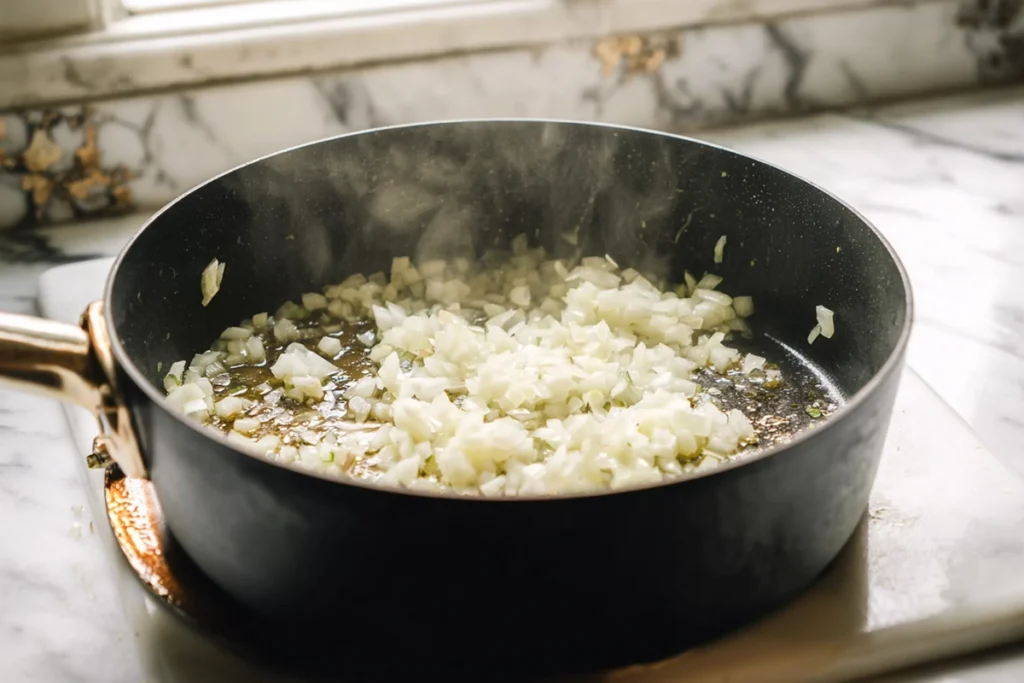
This chili starts quietly. When the onion hits the olive oil, you should hear a soft, steady sizzle—not a crackle. Look for the onion to turn glossy and slightly translucent, not browned. When you stir it, it should feel slippery and soft against the spoon, not firm or squeaky. The smell at this stage is mild and sweet, and that’s exactly what you want. If it smells sharp or bitter, the heat’s too high.
Garlic goes in next, and this is where your nose matters more than the clock. The moment you smell that warm, toasted garlic aroma—think savory, not sharp—you move on. If the garlic darkens or smells aggressive, you’ve gone too far. That bitterness doesn’t cook out later.
Letting the Spices Wake Up
When the broth and spices hit the pot, everything changes. The sound drops from a sizzle to a low murmur, and the smell becomes unmistakably chili-like—earthy cumin, gentle heat from cayenne, and that green chili aroma that makes you think “comfort food.” Visually, the broth should look lightly cloudy, not oily or separated. This simmer isn’t about reducing volume; it’s about giving the spices time to open up without boiling the life out of them.
As it simmers, stir occasionally and pay attention to texture. The liquid should feel thin at this stage—that’s normal. Resist the urge to “fix” it early. Creaminess comes later.
Creating Creaminess the Smart Way
This is where the chili earns its reputation. When you blend a portion of the beans with a bit of broth, the mixture should look thick and pale, almost like a loose hummus. If you rub a drop between your fingers, it should feel smooth, not grainy. That’s your natural thickener.
Back in the pot, when the cheese goes in, keep the heat gentle. You’re looking for slow melting—no bubbling, no boiling. Stir slowly and watch as the broth turns opaque and creamy. The smell should be rich but clean, not sour or “cheesy.” When it’s right, the chili coats the back of a spoon instead of running right off.
Finishing Without Overcooking
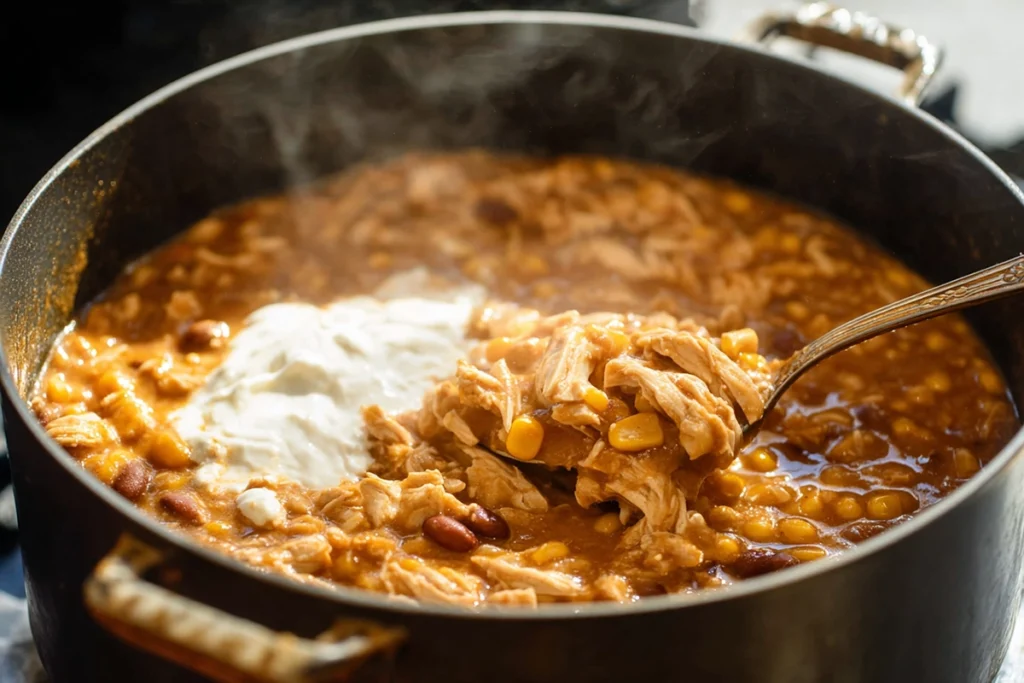
Chicken goes in at the end because it’s already cooked. You’re warming it through, not cooking it again. When you stir, the chicken should stay tender and pull apart easily with a spoon. The lime juice brightens everything—you’ll smell it immediately, a fresh pop that cuts through the richness. Cilantro finishes it off with a green, almost citrusy aroma that tells you the pot is done.
At this point, the chili should look cohesive and feel velvety when stirred. If it looks glossy and smooth, you nailed it.
The Uh-Oh Moments (I’ve Made These Mistakes So You Don’t Have To)
My Chili Isn’t Creamy
This usually means the heat was too high when the cheese went in, or it wasn’t softened enough. I’ve rushed this before and ended up with tiny stubborn lumps that never fully melt. Keep the heat low and cube the cheese small. Creaminess comes from patience, not force.
The Chili Tastes Flat
Nine times out of ten, it’s missing acid. I’ve tasted this before lime juice and thought something was wrong—then added the lime and everything snapped into place. If it still feels dull, a pinch more salt at the end usually fixes it.
My Chili Broke or Looks Grainy
That’s from boiling after the dairy went in. Once, I cranked the heat to “speed things up” and watched the texture fall apart in minutes. Gentle heat is non-negotiable here. If it’s bubbling hard, it’s too hot.
The Chicken Is Dry
This happens when the chicken goes in too early. I’ve done it with leftover breast meat and regretted it immediately. Add the chicken last and just warm it through. If it’s dry going in, it’ll be dry coming out—there’s no saving it later.
This chili rewards attention, not fussing. Listen to it, smell it, watch it—and it’ll tell you when it’s right.
Make It Your Own (Without Wrecking It)
Using Regular Cream Cheese
I’ve made this plenty of times with standard cream cheese when Neufchâtel wasn’t around, and it works—but you have to respect it. Use about 7 ounces, let it soften fully, and blend it with the beans instead of dropping it straight into the pot. Straight-from-the-fridge cream cheese will fight you, and pre-whipping it into the bean puree keeps the chili smooth instead of lumpy.
Making It Spicier (The Right Way)
If you want real heat, don’t just dump in more cayenne. I learned that the hard way, and it turns harsh fast. Instead, add a small amount of diced jalapeño with the onion, or finish individual bowls with hot sauce. That way the base chili stays balanced, and the heat feels intentional.
Slow Cooker Version That Actually Works
This chili can be adapted for a slow cooker, but only if you’re careful. I simmer everything except the cheese, chicken, lime, and cilantro first, then add those during the final 30 minutes on low. If you add dairy too early, the texture goes grainy and there’s no fixing it.
Dairy-Free-ish (Manage Expectations)
You can skip the cream cheese and rely entirely on blended beans for thickness, but it won’t be the same. The chili will be lighter and more stew-like, not creamy. It still tastes good—just don’t expect the same spoon-coating texture.
Serving & Storing (How This Fits Real Life)
I usually serve this straight from the pot with Monterey Jack and tortilla chips on the side, then let people top their own bowls. Avocado is great if you have it, but not required. Some nights I eat it plain, standing at the counter, because it’s that kind of food.
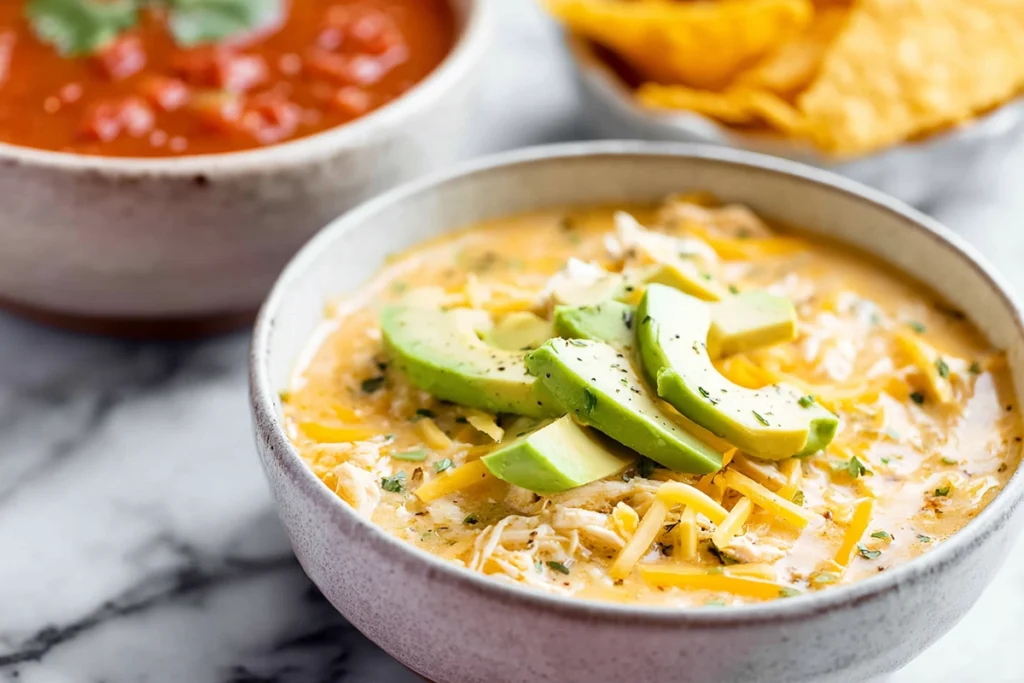
This chili gets better overnight. The flavors settle, the texture thickens slightly, and it reheats beautifully. Store it in an airtight container in the fridge for up to four days. For freezing, let it cool completely and freeze it plain—no toppings—for up to three months. Thaw in the fridge overnight and reheat gently on the stove, stirring often. Don’t microwave it on high unless you enjoy broken chili.
If it thickens too much after storing, a splash of broth brings it right back.
This White Chicken Chili is the kind of recipe you come back to when you want comfort without drama. Warm, creamy, and dependable—exactly how chili should feel when the weather turns and you just want dinner to work.
Get inspired with more mouthwatering recipes! Follow me on Pinterest for new cooking ideas every week.
Frequently Asked Questions
Can I make White Chicken Chili in a slow cooker?
Yes, but only if you add the dairy and chicken at the end. Let the broth, spices, beans, and green chilies cook first, then stir in the cream cheese, blended beans, and cooked chicken during the last 30 minutes on low. Adding dairy too early almost always leads to a grainy texture.
How do I thicken it if I skipped the food processor step?
The easiest fix is to scoop out about a cup of the chili, mash the beans well with a fork, and stir it back in. It won’t be quite as silky as the blended version, but it thickens the pot without adding more dairy.
Is White Chicken Chili supposed to be spicy?
No—this version is flavorful, not hot. The cayenne is there for background warmth, not heat. If you want it spicier, adjust at the bowl with hot sauce instead of changing the whole pot.
Can I use raw chicken instead of cooked?
You can, but it changes the texture. Raw chicken needs to simmer longer, which can dry it out and muddy the broth. I strongly prefer cooked rotisserie chicken added at the end for tenderness and clean flavor.
Why did my chili turn gritty after reheating?
It was reheated too aggressively. Dairy-based soups don’t like high heat. Reheat slowly on the stove over medium-low, stirring often. If it looks tight, add a splash of broth to loosen it.
Can I freeze White Chicken Chili?
Yes. Let it cool completely, then freeze it in airtight containers for up to three months. Thaw overnight in the fridge and reheat gently. Don’t freeze it with toppings—they get weird.
Print
White Chicken Chili
- Prep Time: 15 minutes
- Cook Time: 35 minutes
- Total Time: 50 minutes
- Yield: 6 servings 1x
- Category: Main Course
- Method: Slow Cooking
- Cuisine: American
- Diet: Vegetarian
Description
This White Chicken Chili is creamy, comforting, and reliable. Made with beans, rotisserie chicken, and green chilies, it’s ready in under an hour.
Ingredients
- 1 small yellow onion
- 1 tbsp olive oil
- 2 cloves garlic
- 2 (14.5 oz) cans low-sodium chicken broth
- 1 (7 oz) can diced green chilies
- 1 1/2 tsp cumin
- 1/2 tsp paprika
- 1/2 tsp dried oregano
- 1/2 tsp ground coriander
- 1/4 tsp cayenne pepper
- salt
- black pepper
- 1 (8 oz) package Neufchâtel cheese
- 1 1/4 cups corn
- 2 (15 oz) cans cannellini beans
- 2 1/2 cups cooked shredded chicken
- 1 tbsp lime juice
- 2 tbsp fresh cilantro
Instructions
- Sauté onion in olive oil until soft and translucent.
- Add garlic and cook briefly until fragrant.
- Stir in broth, green chilies, spices, salt, and pepper; simmer gently.
- Blend a portion of the beans with broth until smooth.
- Add cheese, corn, whole beans, and bean puree; stir until creamy.
- Stir in chicken, lime juice, and cilantro; warm through gently.
Notes
- Use low heat once dairy is added to prevent grainy texture.
- Blend beans for creaminess if you want a thicker chili.
- Reheat gently and add broth if needed.
Nutrition
- Serving Size: 1 bowl
- Calories: 420
- Sugar: 5
- Sodium: 820
- Fat: 18
- Saturated Fat: 8
- Unsaturated Fat: 9
- Trans Fat: 0
- Carbohydrates: 32
- Fiber: 7
- Protein: 32
- Cholesterol: 95