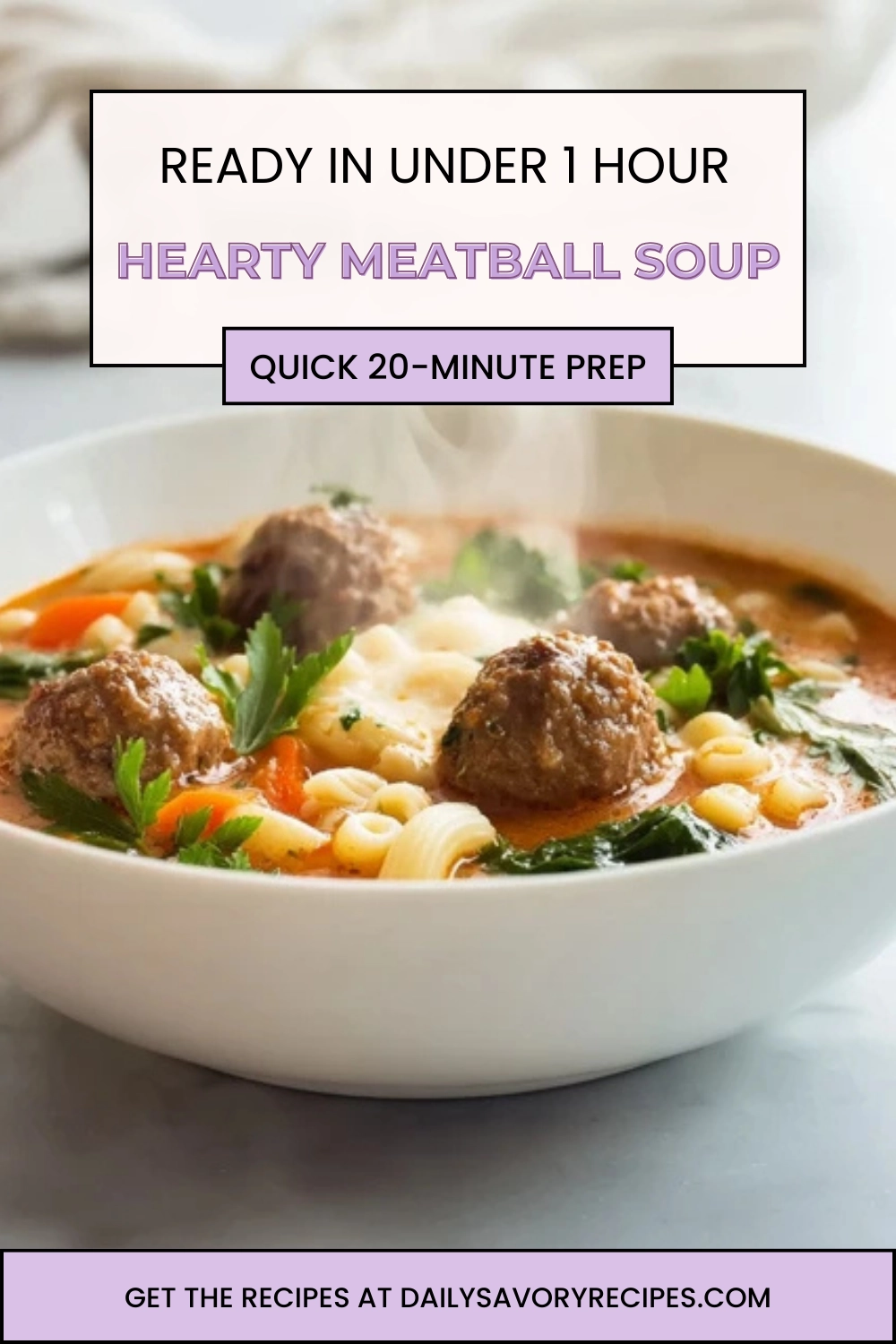

Meatball Soup That Feels Like a Real Comfort Meal

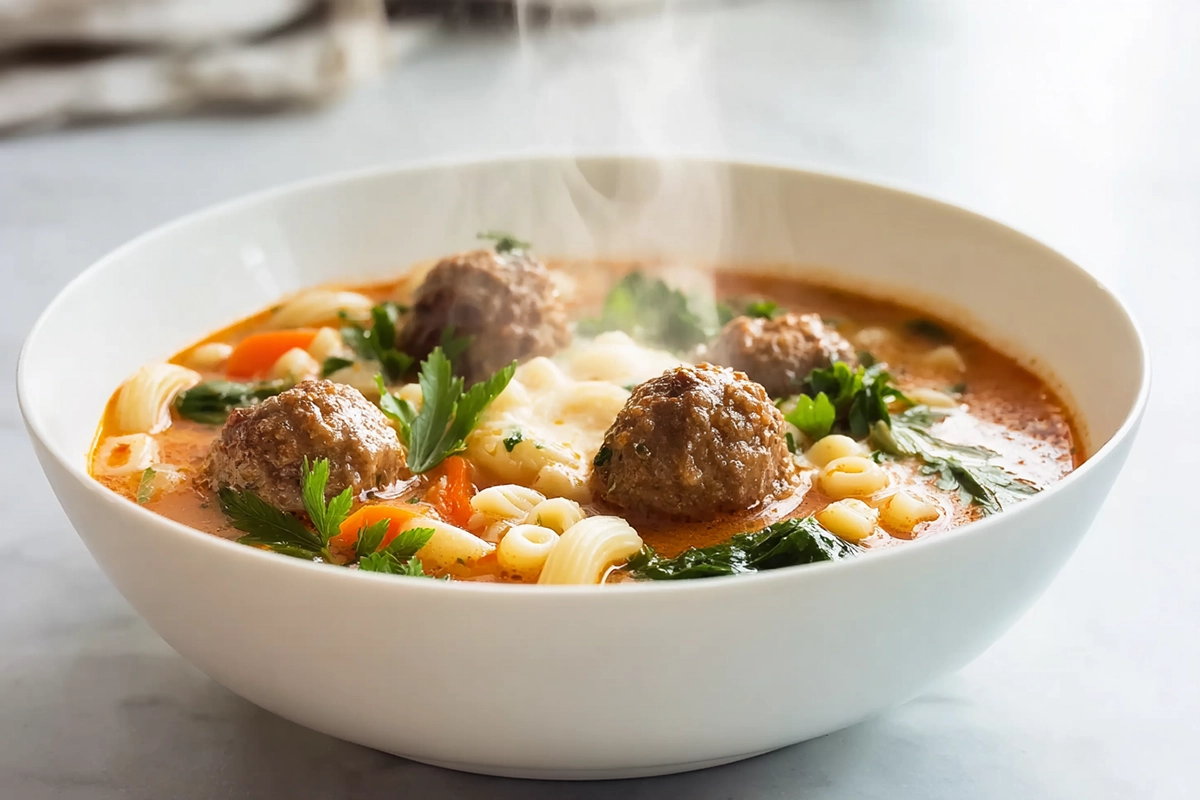
The first thing you notice with this soup isn’t the taste — it’s the smell. Tomato simmering gently with garlic and dried herbs, butter-soft onions, and meatballs browning just enough to leave that savory, almost roasted aroma behind. It’s the kind of scent that makes you slow down and check the pot twice, not because anything’s wrong, but because it smells like dinner is finally becoming dinner. Not rushed. Not thin. Not forgettable.
This Meatball Soup is built as a best comforting homemade meal, the kind you make when you want something filling and familiar but still well thought out. The broth isn’t just tomato and liquid — it’s layered. The meatballs aren’t dropped in raw and forgotten — they’re treated like their own component, so they stay tender instead of dense. Pasta, spinach, and cream are added with intention, not all at once, so nothing turns mushy or dull by the time it’s served.
What I like about this soup is that it rewards patience in small, realistic ways. You don’t need special tools or advanced skills, but you do need to respect the order things happen. When you do, the payoff is obvious: meatballs that stay juicy, a broth that’s rich without being heavy, and a bowl that feels complete on its own. This is the kind of soup you make once, then come back to because it works the same way every time.
Ingredients That Actually Matter
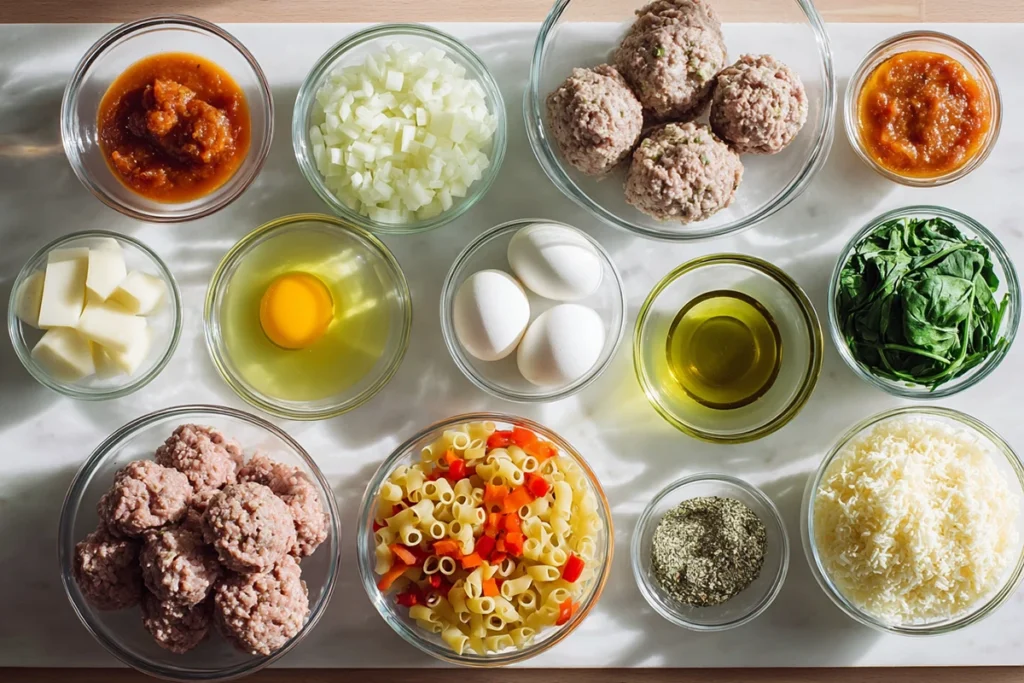
Meatball Base (Egg, Cream, Breadcrumbs)
This combination forms a panade, and it’s non-negotiable if you want tender meatballs. The cream hydrates the breadcrumbs evenly, which keeps the meat from tightening as it cooks. Milk works in a pinch, but cream gives you a little more insurance against dryness.
Ground Beef and Ground Pork
The blend matters here. Beef brings structure and flavor, while pork provides fat and moisture that keep the meatballs soft. You can make this with all beef, but you’ll notice the difference — especially after the meatballs simmer in the soup.
Parmesan Cheese (Finely Grated)
This needs to be very finely grated, almost powdery, so it melts into the meat instead of sitting in pockets. Pre-grated Parmesan is fine if it’s the shelf-stable kind, but avoid thick shreds — they don’t distribute evenly.
Onion and Bell Peppers
The onion does more than add flavor — it’s cooked long enough to release natural sweetness, which balances the acidity of the tomatoes later. Bell peppers add subtle sweetness and texture; fresh is best, but this is one place where a basic grocery-store pepper is perfectly fine.
Tomato Paste and Diced Tomatoes
Tomato paste builds depth before any liquid goes in, while diced tomatoes form the backbone of the broth. Using undrained canned tomatoes is important — the juice is part of the flavor. There’s no need for premium brands here; consistency matters more than pedigree.
Broth (Chicken and Beef)
Using both gives the soup more body without overpowering the meatballs. Boxed broth works well — this recipe layers enough flavor that homemade stock isn’t required for good results.
Pasta
Short pasta like cavatappi or small shells works best because it cooks evenly and holds onto broth. Avoid very thin noodles; they overcook quickly and don’t reheat well.
Heavy Cream and Spinach
The cream softens the acidity and rounds out the broth, while spinach adds freshness right at the end. Frozen spinach isn’t ideal here — fresh wilts cleanly and keeps the soup from tasting muddy.
For Serving: Ricotta and Parmesan
Ricotta isn’t just a garnish — it adds contrast and creaminess in each bite. Use whole-milk ricotta if possible. Parmesan finishes the bowl with salt and umami, tying everything together.
How This Meatball Soup Comes Together (Without Rushing It)
Building Tender Meatballs That Hold Their Shape
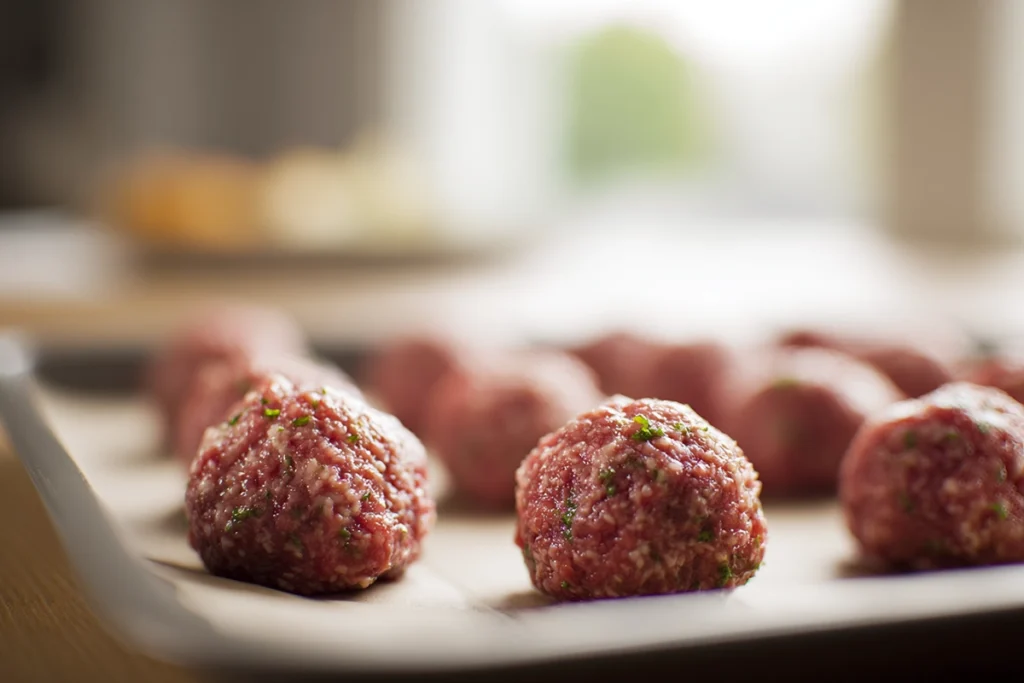
This starts quietly, not aggressively. When you mix the panade, it should look like a loose paste and feel soft when pressed between your fingers, not stiff or grainy. As you fold in the meat, stop as soon as everything looks evenly combined — the mixture should feel cool and slightly springy, not dense. When the meatballs hit the pot, you should hear an immediate sizzle, and within a couple of minutes you’re looking for light golden patches on the outside, not full browning. The smell at this stage is subtle: warm garlic, dairy, and meat, not frying fat. That’s your cue to pull them early and let the soup finish the job.
Creating a Broth That Tastes Rounded, Not Sharp
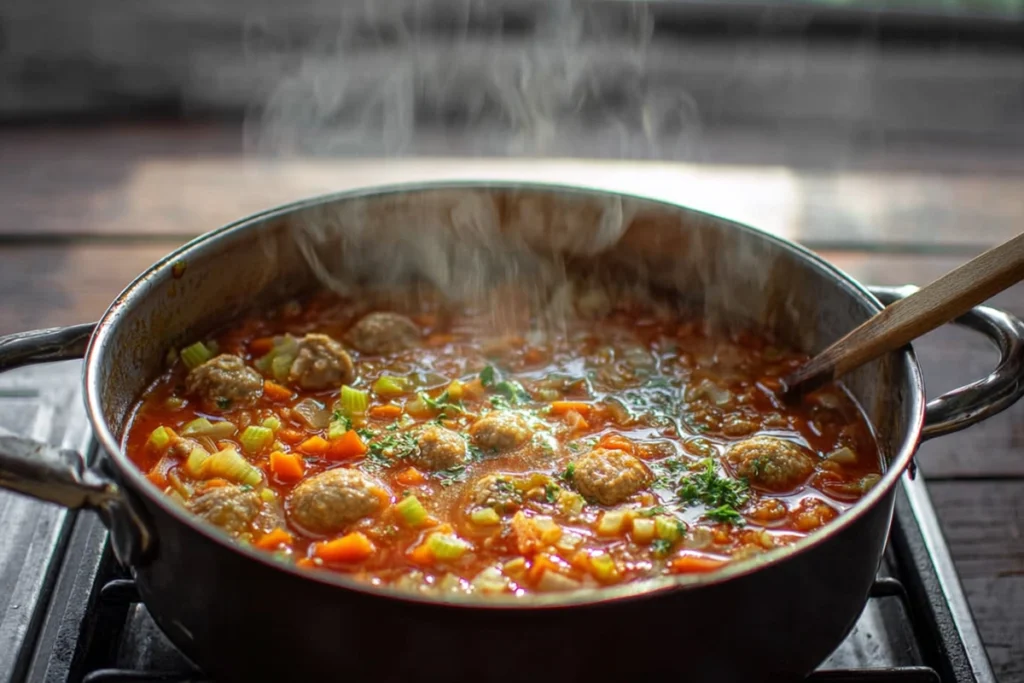
Once the meatballs are out, the pot should still smell savory, with browned bits clinging to the bottom. When the onions go in, listen for a gentle hiss rather than a loud sizzle — medium-low heat matters here. Over the next several minutes, you’ll see them soften and turn slightly glossy, and the smell will shift from sharp to sweet. When the tomato paste and garlic hit the heat, stir constantly and stop as soon as you smell toasted tomato, not burnt sugar. After the broth and tomatoes are added, the soup should bubble lazily, with small bursts breaking the surface. It should smell rich and tomato-forward, but not acidic.
Finishing the Soup So Nothing Overcooks
Before adding the meatballs back, the broth should look slightly thicker and taste balanced. When the pasta goes in, the sound changes — the simmer dulls as the starch hits the liquid. Keep it gentle. You want to see slow movement, not rolling boils. Test a noodle by pinching it between your fingers; it should bend without snapping and feel just shy of done. When you lower the heat and stir in the cream, the color should soften immediately, and the soup should smell rounder and calmer. The spinach wilts almost on contact — bright green, just tender, and done.
Where Meatball Soup Usually Goes Wrong (And How to Avoid It)
Dense or Tough Meatballs
If your meatballs feel heavy in the spoon or look tight after browning, they were likely overmixed. You’ll notice it when forming them — the mixture feels stiff and resists shaping. That density carries through the soup, even after simmering. The fix is stopping earlier than you think and trusting the panade to do its job.
A Broth That Tastes Too Acidic
This usually comes from rushing the onions or skipping the long, gentle simmer. If the soup smells sharp or metallic instead of rich, it hasn’t had time to mellow. The onions should smell sweet before any tomatoes go in, and the broth needs uncovered simmering so excess acidity cooks off instead of staying trapped.
Mushy Pasta in the Bowl
Pasta continues cooking even after the heat is off. If the noodles feel soft and swollen when you bite them, they were cooked too hard or too long. Keep the simmer gentle and taste early. You should hear a quiet bubbling, not a boil that slaps the sides of the pot.
Cream That Breaks or Looks Grainy
If the soup looks speckled or greasy after adding cream, the heat was too high. You’ll often smell it before you see it — a faint cooked-milk note instead of a smooth dairy aroma. Lower the heat fully before stirring it in, and the broth will stay silky instead of separating.
Make It Fit Your Kitchen (Without Losing What Works)
Using Turkey Without Drying the Meatballs
I’ve tested this with a turkey–pork blend when I wanted something a little lighter but still comforting. Use 93% lean ground turkey and keep the pork in the mix — the pork fat matters here. The meatballs will feel softer when raw and won’t brown quite as deeply, but once they simmer in the broth, they stay tender instead of crumbly. All-turkey works, but the texture is firmer and the flavor flatter unless you add extra cream to the panade.
Making It Gluten-Free Without Gummy Texture
Gluten-free breadcrumbs do work, but they behave differently. They absorb liquid more aggressively, so the mixture will feel thicker to the touch almost immediately. Add an extra splash of cream and let the panade sit for a full two minutes before mixing in the meat. The finished meatballs are slightly denser, but still tender once they’ve had time in the soup.
Swapping the Greens the Right Way
Kale is a solid alternative to spinach, but it needs more time. Use finely chopped lacinato kale and add it while the soup is still simmering, not at the very end. You should see the leaves darken and soften, and the smell should mellow from raw-green to slightly sweet. Baby spinach stays the best choice if you want the soup finished fast.
Changing the Pasta Shape
Small shells, ditalini, or elbows all work, but avoid anything thin or ribbon-like. Thicker pasta gives you a better bite and reheats more cleanly. If you plan on leftovers, slightly undercook the pasta so it finishes softening as the soup sits — you’ll feel it when you press a noodle between your fingers and it still has a little resistance.
How I Serve It — And How I Store It So It Reheats Well
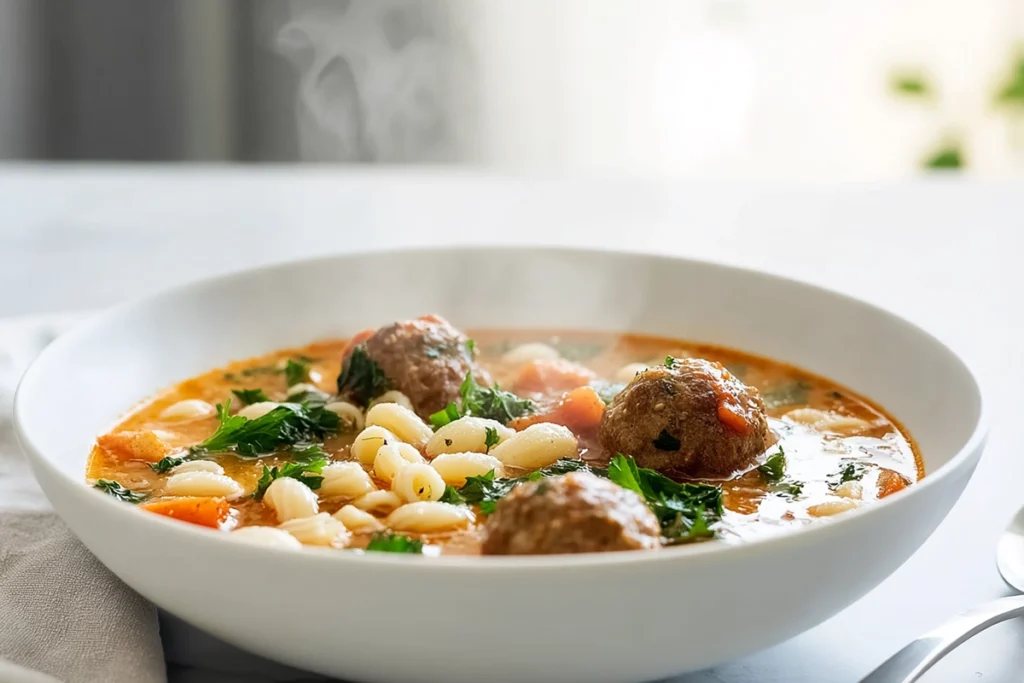
I serve this hot, in wide bowls, with a spoonful of whole-milk ricotta added right before eating. The ricotta slowly melts into the broth, creating creamy pockets without making the whole soup heavy. A generous dusting of Parmesan and a pinch of red pepper flakes bring everything into balance. It’s filling enough on its own, but a piece of crusty bread on the side makes it feel complete.
For storage, this soup keeps well in the fridge for up to 4 days, but pasta continues to absorb liquid. If you’re planning ahead, store the soup and pasta separately and combine when reheating. For freezing, leave the pasta out entirely. Freeze the soup base with meatballs in airtight containers for up to 3 months. Thaw overnight in the fridge, reheat gently on the stove, and cook fresh pasta separately — the texture stays far better that way.
When reheating, keep the heat low. You should see steam and gentle movement, not bubbling. If the soup looks thick, add a splash of broth and stir until it loosens. The smell should return to rich and savory, not cooked dairy.
A Soup Worth Repeating
This Meatball Soup works because it respects timing, texture, and order — the same things that make any comforting homemade meal reliable. When you slow down just enough and let each part do its job, the result is a bowl that smells right, tastes balanced, and holds up every time you make it.
Get inspired with more mouthwatering recipes! Follow me on Pinterest for new cooking ideas every week.
Frequently Asked Questions
Can I make the meatballs ahead of time?
Yes. You can form and brown the meatballs up to 24 hours ahead, let them cool completely, and store them covered in the fridge. When you’re ready to cook, add them straight to the simmering soup. They reheat gently and finish cooking without drying out.
Why did my meatballs turn out dense instead of tender?
This usually happens from overmixing. If the meat mixture feels stiff or tight in your hands, it’s already gone too far. Stop mixing as soon as everything looks evenly combined. The panade is there to keep things tender — you don’t need to force it.
Can I freeze meatball soup?
Yes, but freeze it without the pasta. Pasta absorbs liquid as it freezes and reheats, which turns it soft and bloated. Freeze the soup base with the meatballs only, then cook fresh pasta when reheating for the best texture.
How do I keep the soup from tasting too acidic?
Don’t rush the onions, and don’t skip the simmer. The onions need time to release their natural sweetness, and the soup needs uncovered simmering so the acidity cooks off. If it still tastes sharp, a small splash of cream smooths it out quickly.
What’s the best pasta shape for meatball soup?
Short, sturdy pasta works best — cavatappi, small shells, ditalini, or elbows. Thin noodles overcook and don’t reheat well. You want something that stays intact and gives you a bite even after sitting in broth.
Can I make this soup in a slow cooker?
You can, but with adjustments. Brown the meatballs and sauté the onions and tomato paste first — don’t skip that step. Add everything except pasta, cream, and spinach, then cook on low for 6–7 hours. Add pasta near the end and finish with cream and spinach just before serving.
Hearty Meatball Soup
Ingredients
Method
- Mix egg, cream, and breadcrumbs to form a panade.
- Gently combine panade with meat, cheese, garlic, salt, and pepper.
- Roll mixture into small meatballs.
- Brown meatballs lightly in olive oil and set aside.
- Cook onions in butter until soft and sweet.
- Add peppers, garlic, tomato paste, sauces, and seasonings.
- Stir in broths and tomatoes and simmer.
- Add meatballs and pasta and cook until pasta is tender.
- Lower heat and stir in cream and spinach.
- Serve hot with ricotta and Parmesan.
Notes
- Brown meatballs lightly to keep them tender.
- Simmer soup uncovered to reduce acidity.
- Cook pasta gently to avoid mushy texture.