
Red Velvet Cinnamon Rolls That Actually Work

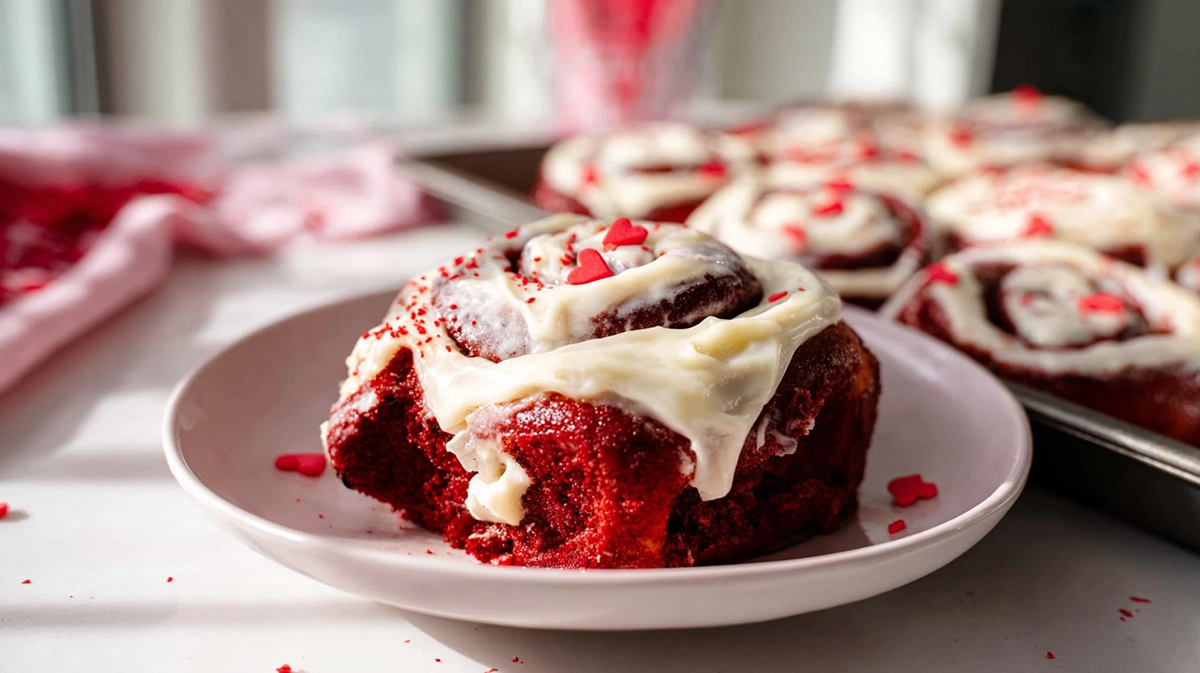
Red Velvet Cinnamon Rolls are supposed to feel like a little victory lap—soft, plush spirals with that cocoa-red crumb and a cinnamon smell that hits the kitchen before the oven timer does. When they’re right, they’re warm, slightly gooey in the center, and unapologetically indulgent. When they’re wrong, they’re dense, dry, or weirdly cakey in the worst way. I’ve had all three versions, sometimes in the same holiday season.
Most recipes you’ll find online either pretend this is just “regular cinnamon rolls but red,” or they lean so hard into cake-mix shortcuts that you end up with something closer to a baked loaf than a roll. The problem is that red velvet brings sugar, cocoa, and color to the party, but it doesn’t automatically bring structure. Ignore that, and the dough fights you from the first mix to the final bake.
Here’s my promise: this version respects what red velvet is and what cinnamon rolls need to be. I’m not chasing bakery theatrics or Instagram drama. This is about understanding why the dough feels sticky, why the flour range matters, and why yeast still does real work here even with a boxed mix involved. If you follow the logic instead of just the measurements, you end up with rolls that rise properly, slice cleanly, and stay soft past the first hour. That’s the whole goal.
Table of Contents
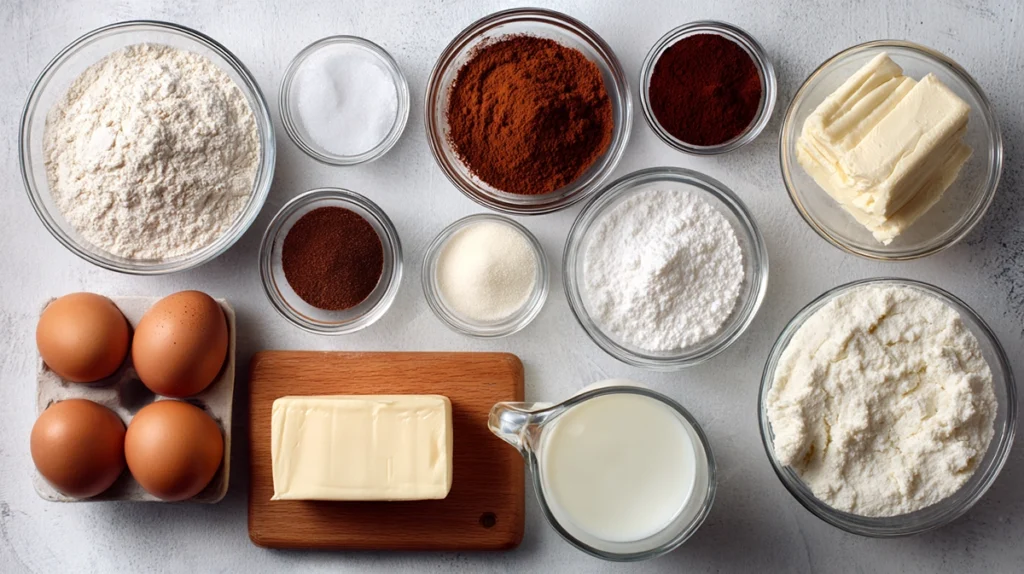
The No-Regret Ingredients
Red Velvet Cake Mix
This is doing more than adding color—it brings sugar, cocoa, and acidity that change how the dough behaves. Any standard-size box works, and I don’t chase brands here, but I avoid “moist supreme” styles because they push things too far into cake territory. The mix is a shortcut, not a crutch.
All-Purpose Flour
This is where restraint matters. You’re using flour to build structure, not to dry the dough out until it feels “normal.” Generic all-purpose flour is perfect; fancy bread flour makes these tougher than they need to be.
Active Dry Yeast
I stick with active dry yeast on purpose. It gives you a clearer rise window and slows people down just enough to avoid rushing the dough. Instant yeast can work, but it changes timing in ways that trip up first-timers.
Warm Water
Temperature matters more than precision here. You want comfortably warm, not hot—think bathwater, not coffee. Too cool and the yeast naps; too hot and it’s game over before you start.
Brown Sugar
Brown sugar brings moisture and depth that white sugar just can’t. Light or dark both work, but dark brown sugar gives a richer cinnamon filling that actually tastes baked-in, not sprinkled on.
Ground Cinnamon
This is the backbone of the filling, so use cinnamon that smells like something when you open the jar. If it’s dusty or flat, the rolls will be too.
Butter
Melted butter carries flavor into every swirl. Store-brand butter is fine, but real butter—not margarine—matters for taste and texture.
Confectioners’ Sugar
This is the base of the icing, and freshness matters more than brand. Old powdered sugar can clump and taste stale, which shows up fast in a simple glaze.
Vanilla Extract
Use real vanilla if you can. It’s a small amount, but it rounds out the icing and keeps it from tasting like straight sugar.
Milk
Regular 2% milk keeps the icing fluid without making it heavy. You can adjust thickness later, but starting lighter gives you more control.
The Process: Turning a Box Mix Into Real Rolls
Building Structure Before Sweetness
This dough starts out looking wrong, and that’s normal. When everything first comes together, it looks shaggy and sticky, with streaks of deep red running through it. Don’t chase smoothness yet. What you’re watching for is the dough to pull away from the bowl just enough that it holds together, but still clings slightly when you touch it. It should feel tacky—like a Post-it note on your finger—not wet like glue.
As you gently knead, listen to the dough. It shouldn’t slap the counter or squeak under your hands. The motion is soft and almost quiet, and the surface slowly tightens without losing that slight stickiness. Visually, it goes from rough to elastic, with a dull sheen instead of a glossy shine. That’s structure forming, and that’s what keeps these from collapsing later.
The Rise That Does the Heavy Lifting
Once the dough is resting, this is where patience pays off. You’re not rushing for speed—you’re letting yeast build air pockets inside a dough that’s heavier than it looks. When it’s ready, the dough should look puffed and rounded, not stretched or fragile. Press a finger lightly into the surface; it should spring back slowly, leaving a shallow dent behind.
The smell at this stage is subtle but important. You should catch a faint yeasty sweetness, almost like fresh bread with a cocoa undertone. If you smell nothing, the room might be too cold. If you smell sharp alcohol, it’s gone too far. This rise sets the tone for everything that follows.
Rolling, Filling, and Tension Control
When you roll the dough out, you’re aiming for even thickness more than perfect shape. Look for clean edges and a surface that doesn’t tear when stretched. If it snaps back aggressively, let it rest for a minute—your hands will feel the difference when it relaxes.
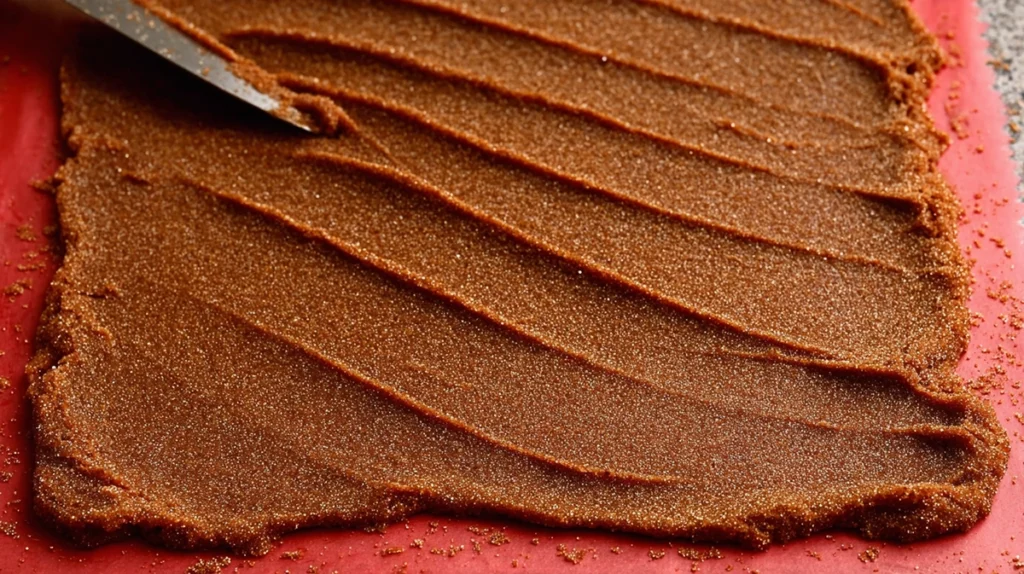
As you brush on the butter and sprinkle the cinnamon sugar, the dough should glisten lightly without pooling. The smell of brown sugar and cinnamon should be immediate but not overpowering. When you roll it up, listen again: a soft, quiet roll is what you want. If you hear cracking or feel resistance, the dough is too dry. Proper tension gives you clean spirals that hold their shape in the pan instead of slumping outward.
Baking for Soft Centers, Not Color
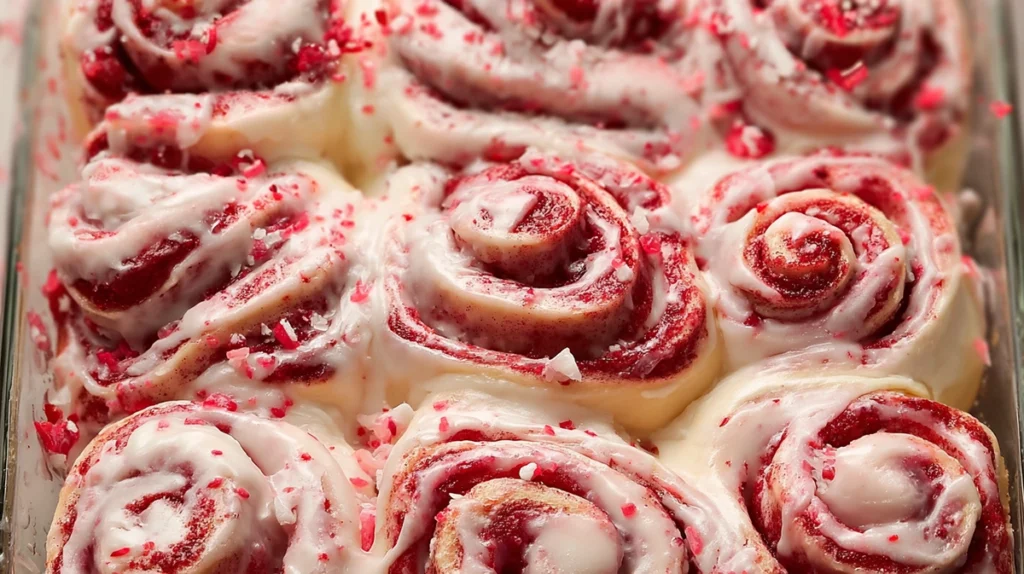
Red dough lies to you in the oven. You’re not waiting for deep browning; you’re watching for lift and texture. The rolls should look puffed and rounded, with gentle golden edges where the dough meets the pan. When you tap the center lightly, it should feel set but springy, not firm.
The smell is your final cue. When the cinnamon comes forward and the cocoa fades into the background, they’re ready. If all you smell is sugar, they need another minute. If you smell toast, you waited too long.
The Uh-Oh Moments (Where This Usually Goes Wrong)
Why Is My Dough So Sticky?
I fought this the first time and paid for it with dense rolls. This dough is supposed to be sticky—adding flour until it feels “normal” is how you dry it out. If it sticks to your fingers but releases when you move, you’re fine. Dust the surface lightly and trust the process.
My Rolls Didn’t Rise
Nine times out of ten, the water was too cool or the kitchen was colder than you realized. I learned this baking in winter when the dough sat there looking sad for two hours. Move it somewhere warmer and watch for visual cues, not the clock.
They Look Pale—Are They Undercooked?
Red velvet dough never gets deeply brown, and waiting for that color will dry them out. If they’re puffed, springy, and smell like cinnamon instead of raw dough, they’re done. I ruined a pan chasing color before I learned to trust texture.
My Rolls Unraveled While Baking
This usually comes down to rolling tension. Too loose and they spread; too tight and they squeeze filling out the ends. The roll should feel snug but relaxed, with no cracking sounds and clean spiral edges when sliced.
Make It Your Own
Cream Cheese Icing (The Bakery-Style Route)
If you want these to lean fully into dessert territory, swap the glaze for a cream cheese icing—but keep it restrained. Use full-fat block cream cheese, softened just until spreadable, not warm. When it hits the warm rolls, it should soften and settle into the spirals, not melt into a puddle. Too much cream cheese drowns the cinnamon and turns the whole thing heavy, so I keep the layer thin and let the rolls stay the star.
Chocolate-Forward Red Velvet
For a deeper cocoa note, you can fold mini chocolate chips into the dough after the first rise. Use the mini size so they distribute evenly and don’t tear the dough when rolling. You’ll feel the dough get slightly firmer under your hands, and that’s normal—just don’t overdo it or the rolls lose their softness.
Overnight Holiday Prep
These can be shaped the night before and refrigerated, but only after the first rise is fully complete. Cold dough should look relaxed, not tight, when it goes into the fridge. In the morning, let the pan sit at room temperature until the rolls feel slightly puffy to the touch before baking. Bake them cold and they’ll rise unevenly and stay dense in the center.
Serving & Storing (How I Actually Handle Them)
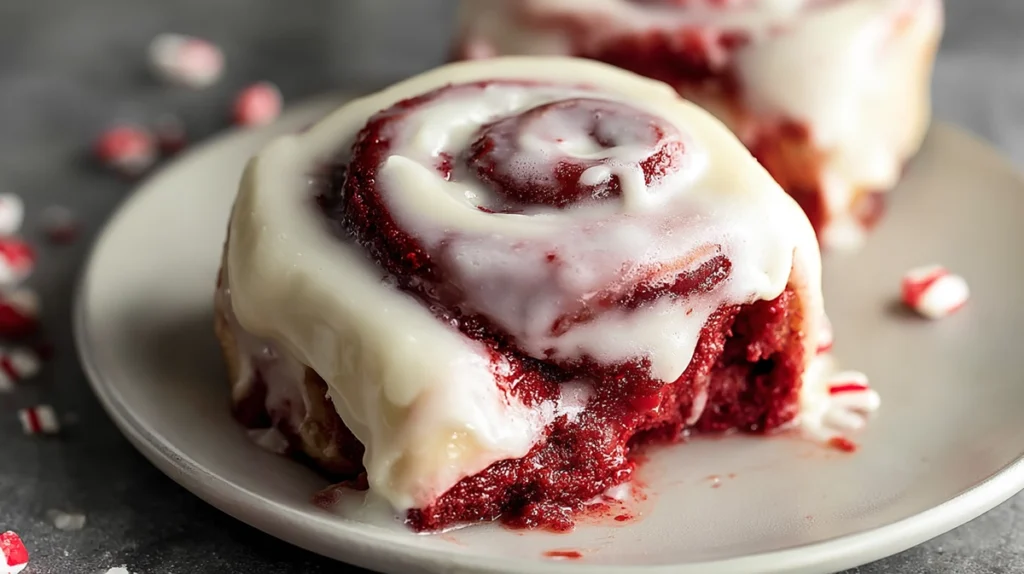
I eat these warm, not hot, when the icing has just settled, but the centers are still soft enough to pull apart. That’s when the cinnamon smells louder than the sugar and the texture is at its best. If I’m serving a crowd, I leave the icing a little lighter so people can add more if they want.
For storage, don’t put these in the fridge—bread goes stale faster there than anywhere else. Keep them covered at room temperature for a day, maybe two. For freezing, slice them before they go into a freezer bag so you’re not fighting a frozen brick later.
To reheat, a short microwave burst works in a pinch, but an air fryer for a couple of minutes brings back that soft-center, lightly set edge texture better than anything else. Let them cool just enough so the icing doesn’t slide off, and they’re back in business.
These Red Velvet Cinnamon Rolls are meant to feel indulgent without being fragile. When you understand why each step matters, they stop being a risky holiday bake and start being something you actually look forward to making again.
Get inspired with more mouthwatering recipes! Follow me on Pinterest for new cooking ideas every week.
Frequently Asked Questions
Can I make these the night before and bake in the morning?
Yes, but only after the first rise is fully done. Shape the rolls, cover the pan tightly, and refrigerate overnight. In the morning, let them sit at room temperature until they feel slightly puffy to the touch before baking. If you bake them cold, the centers stay dense.
Why is this dough so much stickier than regular cinnamon roll dough?
Because the cake mix adds sugar and cocoa without structure. This dough is supposed to feel tacky, not smooth. If you keep adding flour until it feels “normal,” the rolls will bake up heavy instead of soft.
Can I use instant yeast instead of active dry yeast?
You can, but I don’t recommend it unless you’ve worked with sticky doughs before. Instant yeast speeds things up and shortens the rise window, which makes it easier to underdevelop structure. Active dry yeast gives you more forgiveness.
How do I know they’re done if they’re red inside?
Ignore color and use texture and smell. The rolls should be puffed, spring back lightly when pressed, and smell like cinnamon—not raw dough. Waiting for deep browning will dry them out.
Do these taste like cake or cinnamon rolls?
They taste like cinnamon rolls first, with a mild cocoa note in the background. If yours taste like straight cake, the dough had too much flour or didn’t develop enough during the rise.
Can I freeze Red Velvet Cinnamon Rolls?
Yes, but slice them before freezing. Freezing them whole turns them into a solid block that reheats unevenly. Wrapped properly, they reheat well and keep their soft centers.
PrintRed Velvet Cinnamon Rolls
Soft Red Velvet Cinnamon Rolls with gooey centers and real cinnamon flavor. Learn what makes this recipe work and avoid dry, dense rolls.
- Prep Time: 1 hour
- Cook Time: 20 minutes
- Total Time: 2 hours 30 minutes
- Yield: 12 rolls 1x
- Category: Breakfast
- Method: Baking
- Cuisine: American
- Diet: Vegetarian
Ingredients
- 1 package red velvet cake mix
- 2 1/2 to 3 cups all-purpose flour
- 1 package active dry yeast
- 1 1/4 cups warm water
- 1/2 cup brown sugar
- 1 teaspoon ground cinnamon
- 1/4 cup butter
- 2 cups confectioners’ sugar
- 2 tablespoons butter
- 1 teaspoon vanilla extract
- 3 to 5 tablespoons milk
Instructions
- Mix cake mix, flour, and yeast.
- Add warm water and mix to form sticky dough.
- Knead lightly until elastic.
- Let dough rise until doubled.
- Roll dough into rectangle.
- Brush with butter and add cinnamon sugar.
- Roll up and slice into rolls.
- Let rolls rise again.
- Bake until puffed and set.
- Drizzle with icing while warm.
Notes
- Dough should feel tacky, not dry.
- Do not over-flour during kneading.
- Judge doneness by texture, not color.
Nutrition
- Serving Size: 1 roll
- Calories: 430
- Sodium: 310
- Fat: 10
- Saturated Fat: 5
- Unsaturated Fat: 4
- Trans Fat: 0
- Carbohydrates: 81
- Fiber: 1
- Protein: 5
- Cholesterol: 16