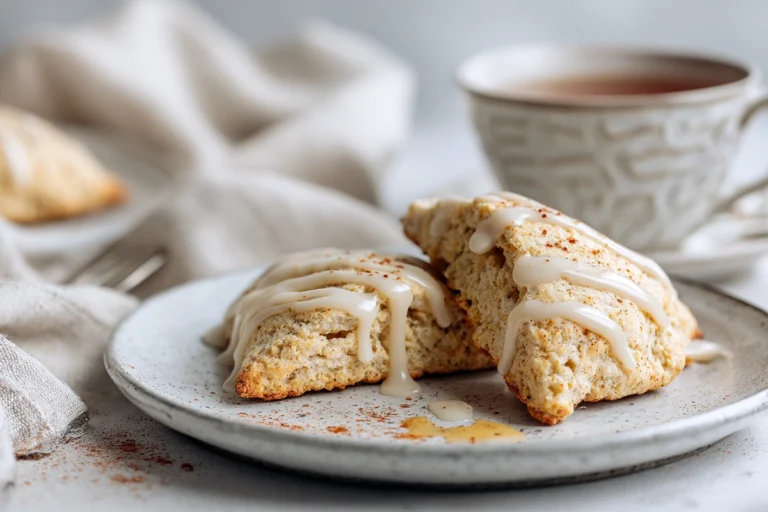

Peach Coffee Cake That Stays Tender and Crumbly

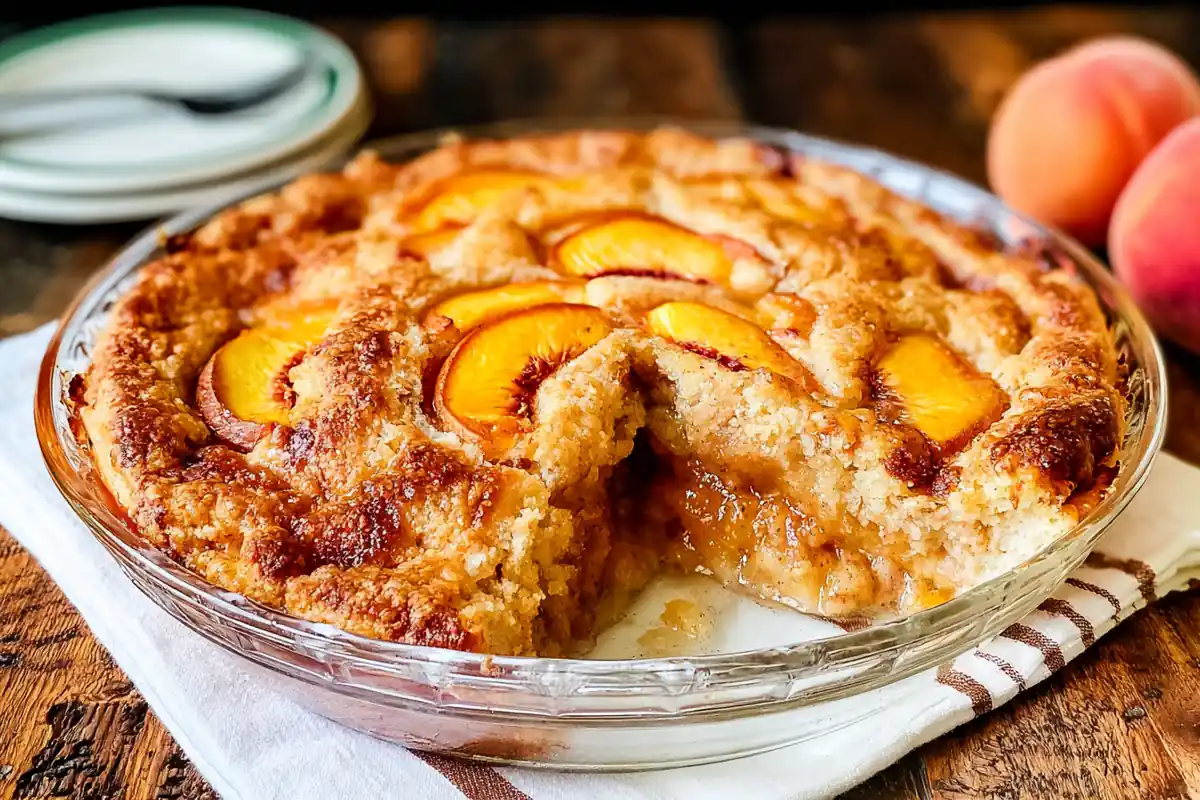
Peach coffee cake works because it balances two textures that usually fight each other: soft fruit and a sturdy cake crumb. The peaches melt slightly as the cake bakes, while the cinnamon streusel stays crisp on top. Served warm, it lands somewhere between breakfast cake and late-afternoon dessert.
I tested this version with fresh peaches and canned ones. Fresh gives a brighter flavor, but canned peaches actually hold their shape better if you drain them well. The sour cream matters too. It keeps the cake moist for days instead of drying out by the second morning.
Why This Peach Coffee Cake Works So Well – Approximate length: Medium
A lot of coffee cakes lean too sweet or too heavy. This one avoids both. The batter has enough structure to support the peaches without turning gummy, and the brown sugar in the streusel adds depth instead of just sweetness.
The sour cream pulls more weight than people expect. Besides moisture, it softens the crumb so the cake stays tender even after cooling. I prefer using full-fat sour cream here because lower-fat versions can make the batter looser than ideal.
Texture matters with peaches too. Dice them fairly small — around ½-inch pieces works best. Larger chunks release too much juice into the center of the cake. That’s usually why homemade fruit cakes sink or bake unevenly.
Ingredients That Matter Most – Approximate length: Medium
The flour-to-fruit balance is what keeps this cake stable. With about 1½ cups diced peaches, the batter stays thick enough to support the topping while still feeling soft after baking.
A few ingredients deserve extra attention:
- Unsalted butter gives you better control over flavor and salt levels.
- Brown sugar in the topping creates a deeper caramel note once baked.
- Ground cinnamon works best in the streusel rather than the batter itself.
- Sour cream or Greek yogurt adds moisture and keeps the crumb from tightening.
If you’re using canned peaches, drain them thoroughly and pat them dry with paper towels. Skipping that step leaves extra liquid in the batter, and the center can stay underbaked even after 50 minutes in the oven.
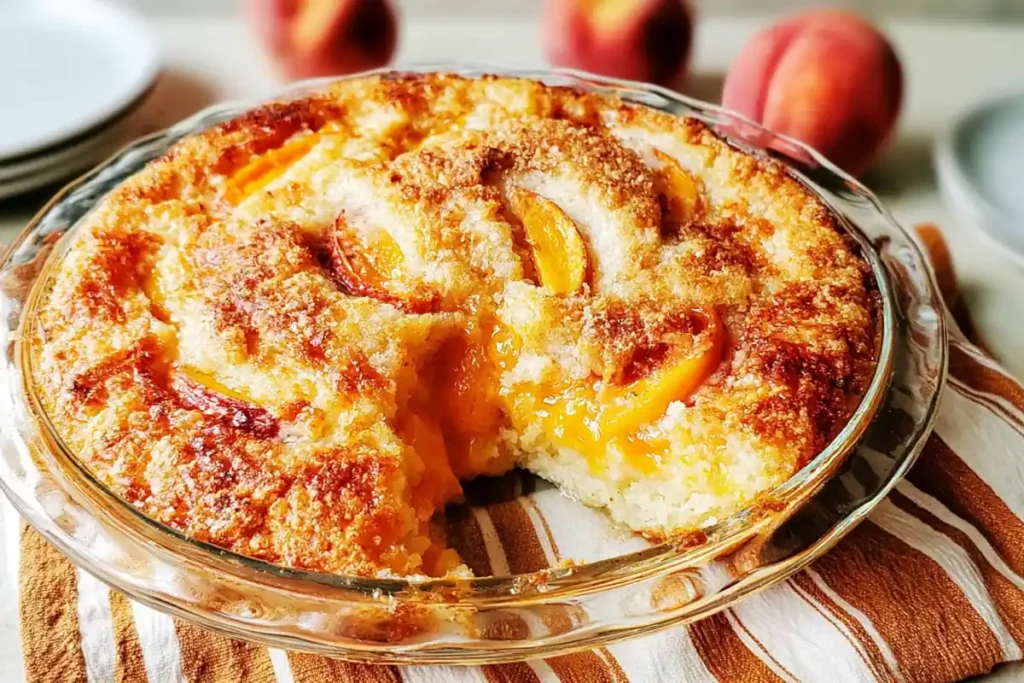
Frozen peaches can work too, though I usually thaw and drain them first. Otherwise the batter temperature drops quickly, which affects how evenly the cake rises.
Building the Streusel and Batter Properly – Approximate length: Long
Cold butter matters more than people think. When making the streusel, the butter should stay firm enough to create small crumbs instead of blending into a paste. I usually chill the topping while mixing the batter so it stays crumbly in the oven.
Creaming the butter and sugars for a full 2 to 3 minutes also changes the final texture noticeably. You’re not just combining ingredients there — you’re trapping air into the butter. The cake rises more evenly and feels lighter once baked.
Once the eggs and sour cream go in, the batter may look slightly curdled at first. That’s normal. It smooths out after the dry ingredients are added.
Overmixing is the main thing to avoid here. Stir just until the flour disappears. A thick batter is actually the goal. If it looks loose, the peaches probably released too much moisture.
When spreading the batter into the pan, use an offset spatula or lightly dampened spoon. The batter doesn’t pour easily. Scatter the streusel loosely across the top without pressing it in. That loose layer is what creates the crisp topping instead of a sugary crust.
Bake the cake at 350°F for roughly 40 to 50 minutes. Around minute 35, check the top color. If the streusel darkens too quickly, loosely tent the pan with foil. The center should spring back lightly when touched, and a toothpick should come out with moist crumbs rather than wet batter.
Small Technique Adjustments That Improve the Cake – Approximate length: Medium
Cooling is part of the baking process here. Let the cake rest for at least 15 to 20 minutes before slicing. Cutting too early causes the crumb around the peaches to compress and turn sticky.
I also prefer baking this in a metal pan rather than glass. Metal conducts heat more evenly, especially around the edges where fruit-heavy cakes sometimes stay pale.
For a slightly lighter version, plain Greek yogurt works well in place of sour cream. Whole wheat flour can replace part of the all-purpose flour too, though I’d stop at about ⅓ of the total flour amount so the texture doesn’t become dense.
The optional glaze isn’t necessary, but a thin drizzle made from powdered sugar, vanilla, and milk adds a bakery-style finish without overwhelming the peaches.
Serving Peach Coffee Cake for Different Occasions – Approximate length: Short
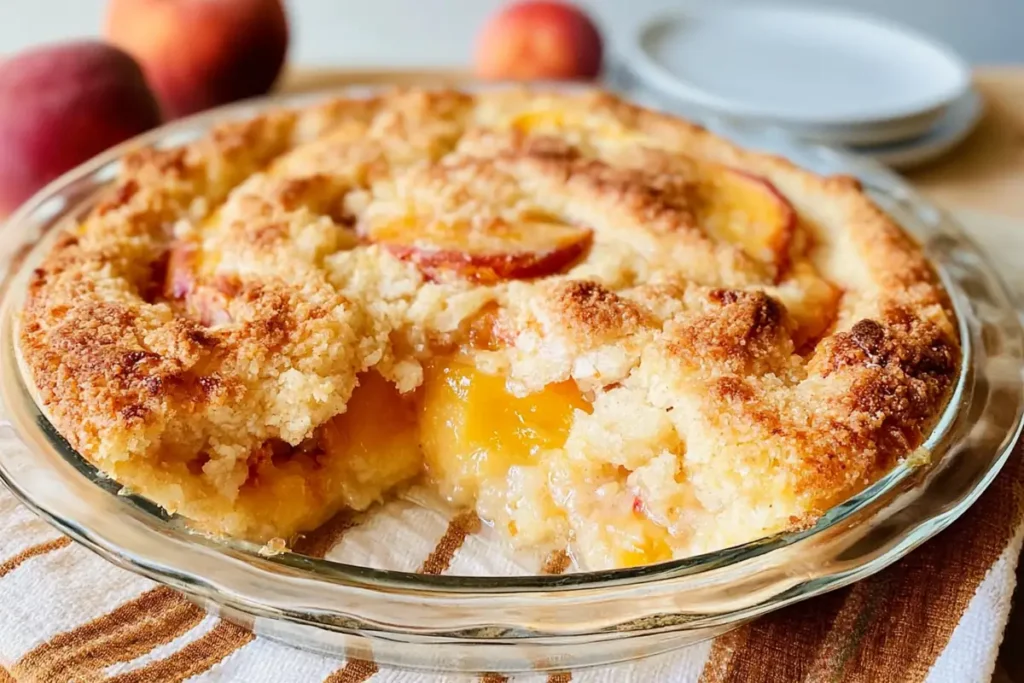
Warm peach coffee cake fits naturally into slow weekend breakfasts, but it also travels well for gatherings. Because the crumb stays moist, it holds up better at room temperature than many fruit cakes do.
For brunch, I like serving it slightly warm with black coffee or strong tea. If you’re putting it out for dessert, a spoonful of lightly whipped cream works nicely alongside the cinnamon topping. Nothing fancy needed.
This cake also slices cleanly once fully cooled, which makes it practical for picnics or potlucks. Just avoid stacking the slices while they’re still warm or the streusel softens.
Storing and Freezing Without Losing Texture – Approximate length: Medium
Fruit cakes can dry out quickly in the refrigerator if they’re uncovered. Once fully cooled, wrap the peach coffee cake tightly or store it in an airtight container.
At room temperature, it usually keeps well for about 2 days. Refrigerated, it’ll last closer to 5 days while still staying soft. I recommend warming slices for about 10 to 15 seconds in the microwave before serving because the butter in the crumb firms up when chilled.
For freezing, wrap individual slices first, then place them in a freezer-safe container or bag. That prevents freezer odor from creeping in. The cake freezes surprisingly well for up to 2 months.
The streusel softens slightly after thawing, but the flavor stays intact. A few minutes in a 300°F oven helps bring some texture back to the top.
Frequently Asked Questions About Peach Coffee Cake – Approximate length: Medium
Can I use canned peaches instead of fresh?
Yes. Drain them thoroughly and pat them dry before folding them into the batter. Excess liquid is usually the reason coffee cakes turn dense near the center.
How do I know the cake is fully baked?
Check the center with a toothpick around the 40-minute mark. Moist crumbs are fine. Wet batter means it needs more time.
Can this recipe be made ahead?
Definitely. In fact, the flavor settles nicely after several hours. I often bake it the night before serving and keep it covered at room temperature.
What pan size works best?
An 8×8-inch or 9×9-inch square pan both work well. The smaller pan creates a slightly taller cake and may need a few extra baking minutes.
Can the recipe be made gluten-free?
Usually yes, with a reliable 1-to-1 gluten-free flour blend. The texture comes out slightly softer, but still holds together well enough for slicing.
A Cake Worth Keeping in Your Rotation
Some recipes end up becoming seasonal habits without much planning behind them. This peach coffee cake tends to do that. It’s simple enough for a weekday bake, yet still feels special when served warm with coffee on a slow morning.
The key is restraint. Don’t overload the batter with fruit, don’t rush the cooling time, and keep the streusel loose. Small details, but they make the finished cake far better. Every recipe I share is an invitation from my kitchen to yours.
Peach Coffee Cake
Ingredients
Method
- Preheat the oven to 350 degrees Fahrenheit and grease an 8×8-inch or 9×9-inch square baking pan.
- Prepare the streusel topping by mixing flour, brown sugar, and cinnamon, then cut in the cold butter until coarse crumbs form. Chill until needed.
- Whisk together the flour, baking powder, baking soda, and salt in a medium bowl.
- Cream the softened butter with granulated sugar and brown sugar for 2 to 3 minutes until light and fluffy.
- Add the eggs one at a time, then mix in the vanilla extract and sour cream until smooth.
- Gradually stir the dry ingredients into the wet mixture just until combined.
- Fold the diced peaches gently into the thick batter.
- Spread the batter evenly into the prepared baking pan and sprinkle the chilled streusel topping over the surface.
- Bake for 40 to 50 minutes until a toothpick inserted into the center comes out with a few moist crumbs.
- Cool the cake for at least 15 to 20 minutes before slicing. Drizzle with optional glaze if desired.
Notes
- Drain canned peaches thoroughly before using to avoid excess moisture in the batter.
- Do not overmix the batter once the flour is added or the cake may turn dense.
- Tent the cake loosely with foil if the topping browns too quickly near the end of baking.
- Store leftovers in an airtight container at room temperature for up to 2 days or refrigerate for up to 5 days.
- Individual slices can be frozen for up to 2 months.