
Crumble Topping That Bakes Crisp Every Time

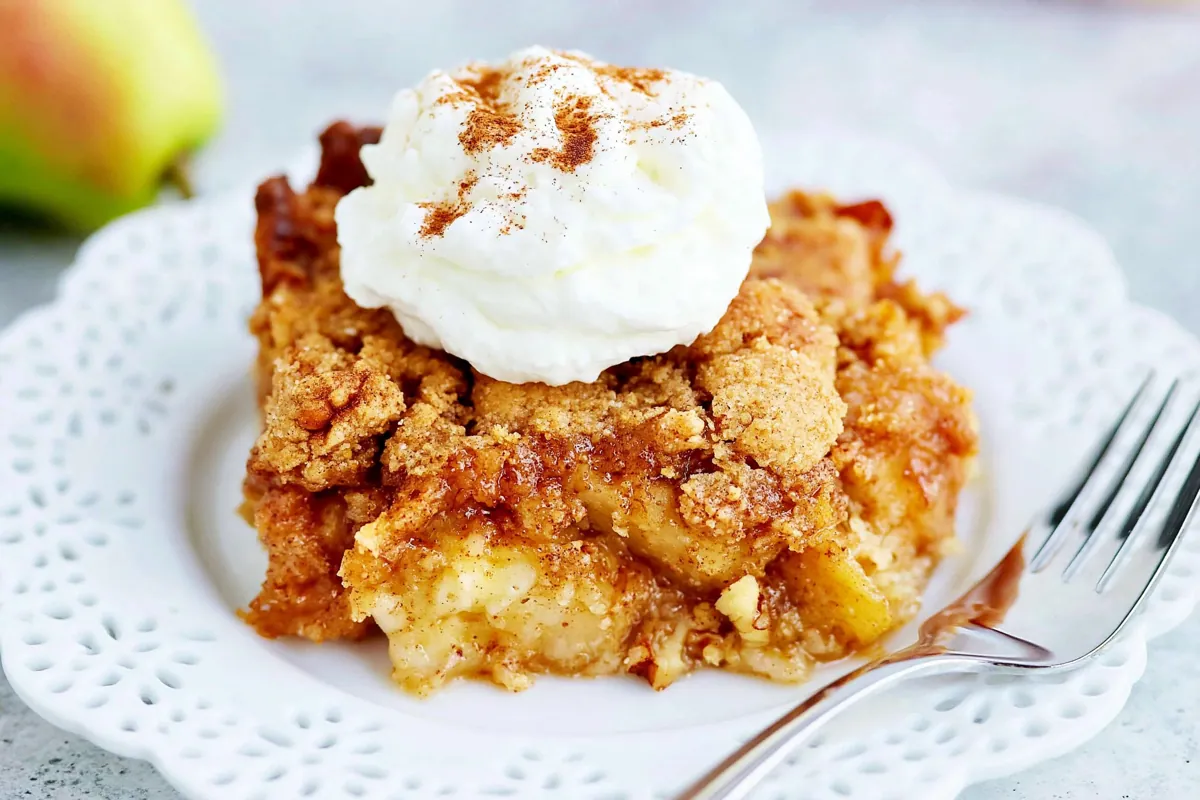
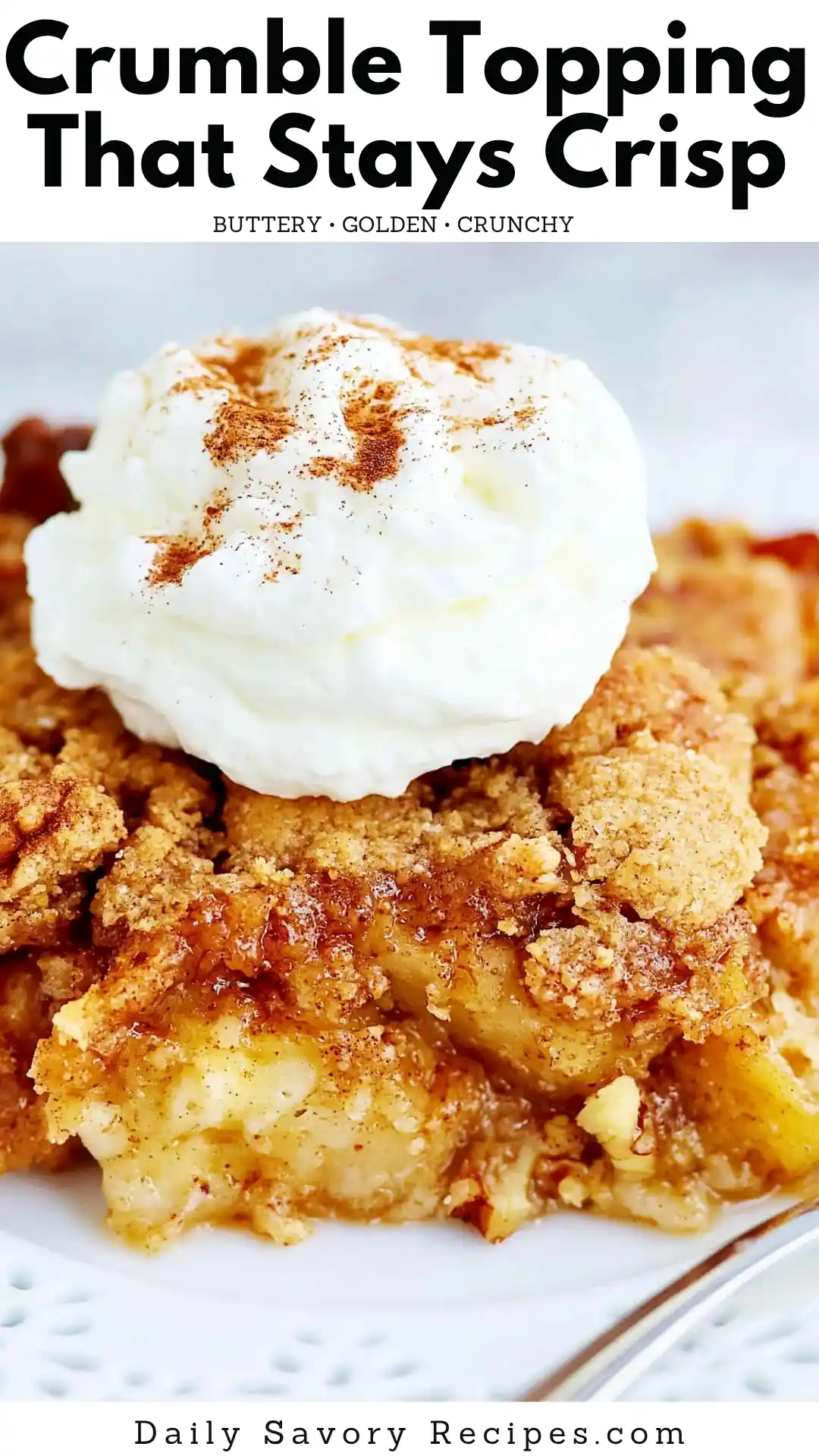
A good crumble topping changes the whole dessert. You get crisp edges, buttery pockets, and enough texture to contrast soft fruit or tender cake underneath. It’s quick to make, but small choices in mixing and ingredient balance make a noticeable difference.
This version stays focused on the basics: flour for structure, two sugars for texture and flavor, and butter worked in by hand instead of overmixing. Every recipe I share is an invitation from my kitchen to yours, and this is one of those techniques that belongs in every home kitchen.
You’ll also learn how to avoid the two most common problems—dry crumbs and soggy topping—before they happen.
What Makes a Good Crumble Topping Worth Getting Right
Crumble topping looks simple because the ingredient list is short. That’s exactly why proportions matter.
In my kitchen, I treat crumble as texture first and sweetness second. The all-purpose flour creates the structure, while the mix of brown sugar and granulated sugar gives both crisp edges and a little softness inside the crumble. Butter ties everything together. Too much and it melts into dense patches. Too little and the topping bakes dusty instead of crisp.
This ratio gives you distinct crumbs rather than one solid sheet across the dessert. That difference matters more than people expect.
Common Reasons Crumble Topping Turns Powdery or Soggy
Most crumble problems start before baking.
A powdery topping usually means the butter wasn’t fully worked through the dry ingredients. You shouldn’t see dry flour sitting at the bottom of the bowl when you finish mixing. Rub gently using your fingertips until the mixture forms uneven clumps that hold briefly when pressed.
Soggy crumble tends to come from what’s underneath it. If you’re baking over fruit, excess liquid often steams the topping instead of letting it brown. Fruit fillings should look glossy and lightly thickened before the crumble goes on.
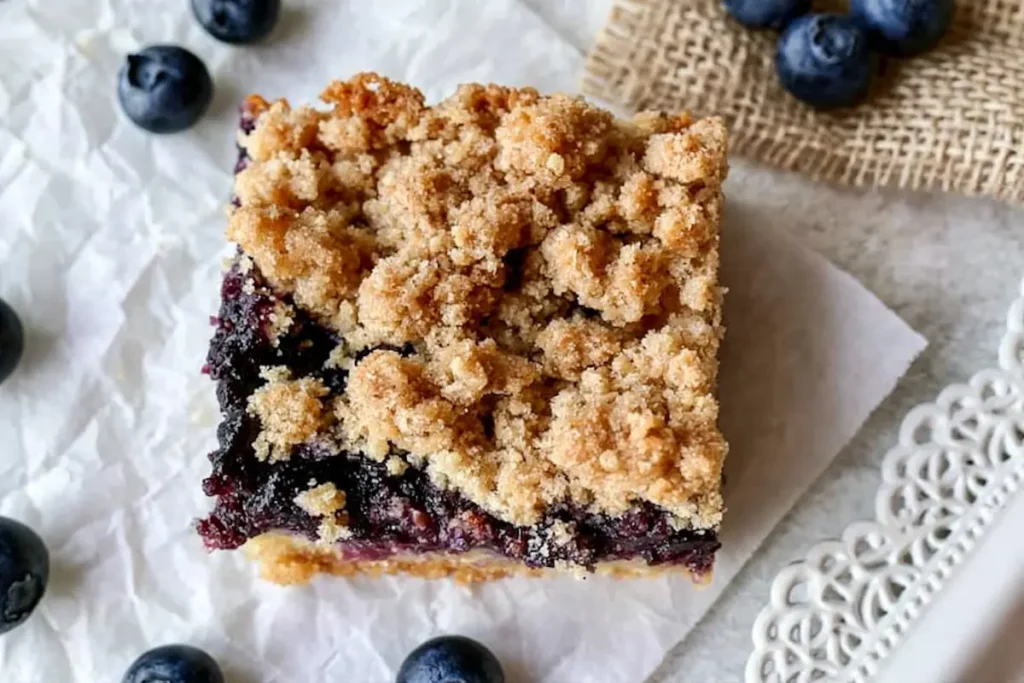
Another issue is pressing the topping down. Don’t compact it. Scatter it loosely so heat can circulate and create those crisp ridges.
Small adjustment. Big difference.
Ingredients That Create a Crisp Crumble Topping
This recipe uses ingredients that each do one clear job:
- ¾ cup all-purpose flour
- ⅓ cup packed light brown sugar
- ¼ cup granulated sugar
- 1 teaspoon ground cinnamon (optional)
- Generous pinch of fine sea salt
- 6 tablespoons unsalted butter
Brown sugar carries moisture and adds deeper flavor. Granulated sugar helps the edges crisp instead of staying soft.
I use unsalted butter because it gives better control over seasoning. If your butter is refrigerator-cold, cut it into small pieces before adding. It mixes more evenly and keeps you from overworking the flour.
Cinnamon is optional here. I leave it out for berry desserts and usually include it with apples or pears.
How to Make the Crumble Topping by Hand
Start with a medium bowl and combine the flour, brown sugar, granulated sugar, cinnamon, and salt. Whisk for about 20–30 seconds so the sugar distributes evenly instead of forming pockets later.
Scatter the 6 tablespoons of butter across the surface instead of dropping it into one pile. That small step makes mixing easier.
Now use your fingertips—not your palms—to rub the butter into the dry ingredients. Lift and press lightly rather than kneading. You’re aiming for uneven crumbs ranging from pea-sized pieces to smaller sandy bits.
Stop once the mixture no longer looks dry.
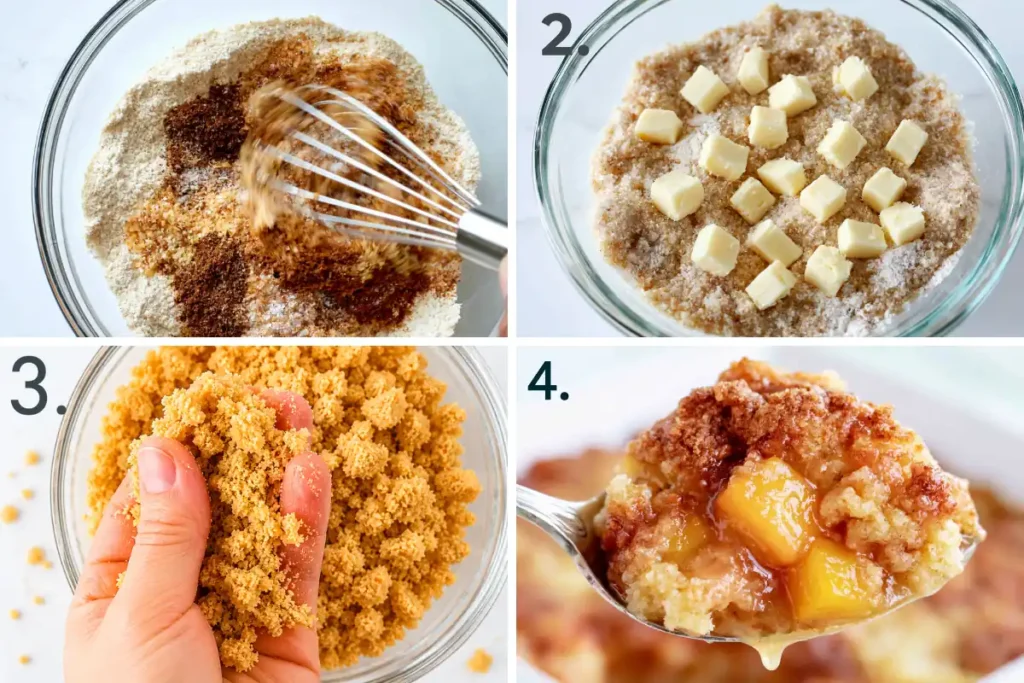
People often keep mixing because they think larger crumbs are wrong. They’re not. Those uneven pieces create the best texture after baking.
If you’re using it immediately, sprinkle it directly over your dessert. If the kitchen feels warm, a short rest in the refrigerator can help preserve the crumb shape.
Best Ways to Use Crumble Topping Across Desserts
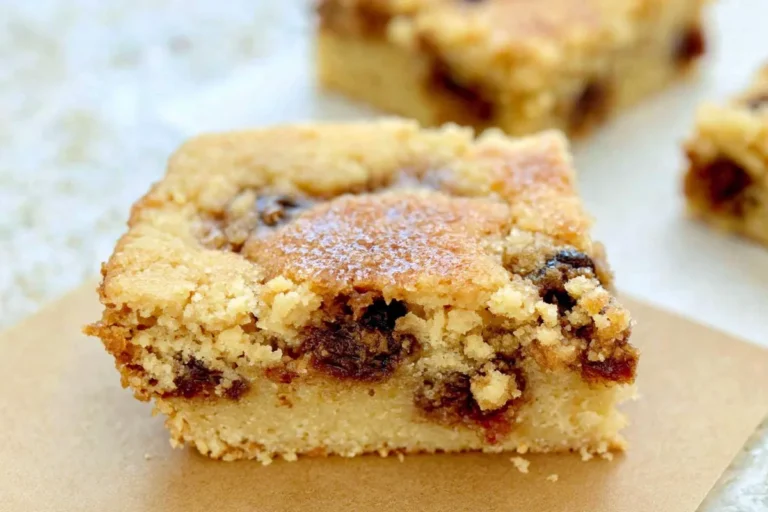
Crumble topping earns its place because it adapts easily. You can spread it over fruit, finish muffins with it, or add it to pies that need more contrast than a standard top crust gives.
For fruit desserts, I prefer keeping the topping layer fairly loose and no thicker than about ¾ inch. Apples, pears, peaches, and berries all work, but they behave differently. Berries release more liquid. Apples hold structure longer. Adjust expectations instead of forcing every fruit into the same bake time.
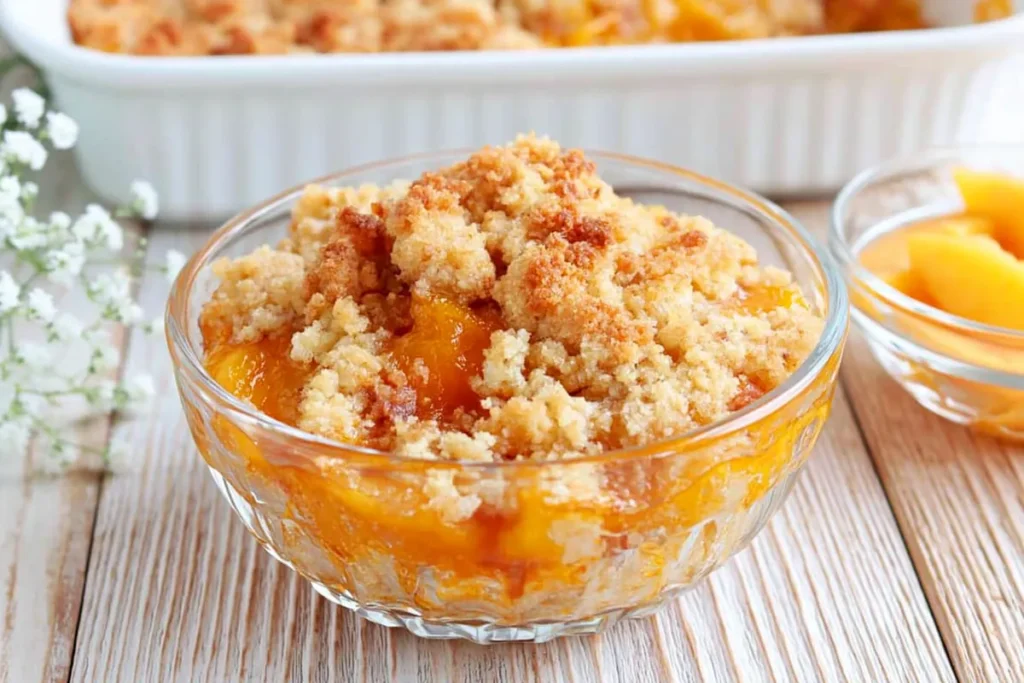
Try it over muffin batter before baking too. A lighter sprinkle gives crisp pockets across the surface instead of a heavy blanket.
One thing I avoid: piling on extra topping because it looks generous. Too much weight can keep the center from drying properly.
Signs Your Crumble Is Fully Baked
Color tells part of the story. Sound tells the rest.
The crumble should turn deep golden around the highest points, not pale beige. If fruit is underneath, you want to see active bubbling around the edges rather than slow, lazy movement.
Touch matters too. After cooling for 10–15 minutes, the top should feel lightly crisp instead of soft or damp.
If the color looks right but the topping still feels soft, give it a few extra minutes. Crumble keeps developing texture as moisture escapes during the final stage of baking.
Don’t judge it straight out of the oven.
Ready to Make This Your Go-To Dessert Finish?
Once you know the texture to aim for, crumble topping becomes one of those recipes you stop measuring mentally and start recognizing by feel.
Keep the mixture loose, work the butter in fully, and let the oven do its part. Simple ingredients. A little attention. That’s usually enough to turn an ordinary dessert into something people remember.
Every recipe I share is an invitation from my kitchen to yours.
Crumble Topping
Ingredients
Method
- Add the all-purpose flour, brown sugar, granulated sugar, cinnamon if using, and fine sea salt to a medium-sized bowl. Whisk for 20 to 30 seconds so the dry ingredients are evenly combined.
- Scatter the cold butter pieces across the top of the flour mixture instead of adding them in one pile.
- Use your fingertips to rub the butter into the dry ingredients. Lift and press lightly until the mixture forms uneven crumbs and no longer looks dry.
- Use the crumble topping immediately over fruit desserts, muffins, pies, or cobblers, then bake according to the dessert recipe until the topping is golden and crisp.
Notes
- Do not press the crumble topping down after scattering it over a dessert. Keeping it loose helps the edges crisp.
- For fruit desserts, avoid adding the topping over very watery fruit filling, which can steam the crumble instead of letting it brown.
- The cinnamon is optional and works especially well with apples, pears, and peaches.