
Soft and Sweet Amish White Bread That Feels Like Home

There’s a certain magic about the smell of bread baking in your kitchen—the kind of heat that pulls you back to childhood mornings when everything was simple. Amish white bread captures that feeling in every golden slice. It’s soft, slightly sweet, and has a buttery aroma that instantly feels nostalgic. Whether you’re baking it for the first time or revisiting an old family favorite, this loaf delivers pure comfort—no preservatives, no fuss, just real homemade goodness.
If you’ve ever wanted to master a classic loaf that works for sandwiches, toast, or just warm buttered slices straight from the oven, this is it. The beauty of Amish white bread resides in its simplicity—it’s a recipe that rewards patience, not perfection.
Table of Contents
What is Amish White Bread?
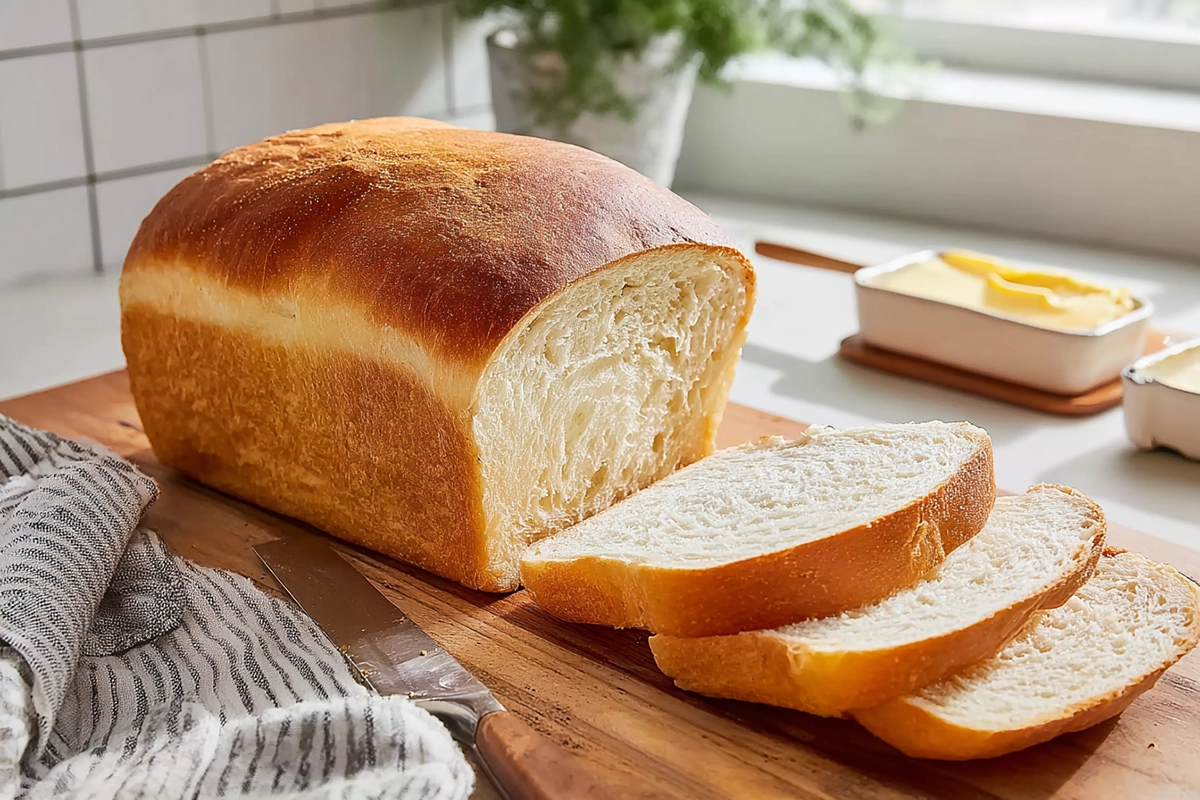
Amish white bread is a soft, slightly sweet sandwich bread rooted in traditional Amish baking. It’s known for its pillowy texture, golden crust, and rich, buttery flavor that’s ideal for everyday meals. Unlike artisan or crusty loaves, this bread embraces comfort—it’s the kind of bread you reach for when you want something familiar and satisfying.
Historically, Amish communities perfected this recipe using pantry staples like flour, sugar, yeast, and oil. The goal was plain: a reliable, wholesome loaf that stayed soft for days and worked equally well for breakfast toast or a hearty ham sandwich.
What sets it apart is balance. It’s rich but not heavy, sweet but not dessert-like, and structured enough to slice neatly without crumbling. Once you bake it at home, you’ll wonder how you ever settled for store-bought bread again.
Why Make It at Home?
When you bake Amish white bread in your own kitchen, you control everything—from the sweetness level to the freshness of each slice. No preservatives, no additives, just the pleasure of knowing exactly what’s in your bread.
You’ll also notice the difference in texture right away. Freshly baked loaves have that distinctive softness that’s hard to find on grocery shelves. They toast beautifully, soak up butter like a dream, and pair perfectly with soups or casseroles.
Beyond the flavor, making bread is deeply rewarding. Watching dough rise seems like a small miracle—yeast working its gentle magic while the kitchen fills with heat and expectation. It’s therapeutic, grounding, and gives you something tangible to share.
Ingredients Breakdown – What You’ll Need & Why
Here’s your lineup of simple, pantry-friendly ingredients that bring this bread to life:
- 2 cups warm water (around 110°F)
- 2/3 cup granulated sugar
- 1 ½ tablespoons active dry yeast
- ¼ cup vegetable oil or melted butter
- 1 ½ teaspoons salt
- 5 ½ to 6 cups plain flour

Each ingredient plays a key role:
Warm water activates the yeast. Sugar feeds it, creating that airy texture and subtle sweetness. Oil or butter adds tenderness and richness, while salt balances everything out. The flour gives structure—use bread flour for more chew or plain flour for a softer crumb.
Step-by-Step Preparation for Perfect Loaves
1. Activate the Yeast
In a large bowl, combine warm water and sugar. Sprinkle yeast over the top and let it sit for 10 minutes until frothy. This is the first sign your dough will rise beautifully.
2. Mix the Dough
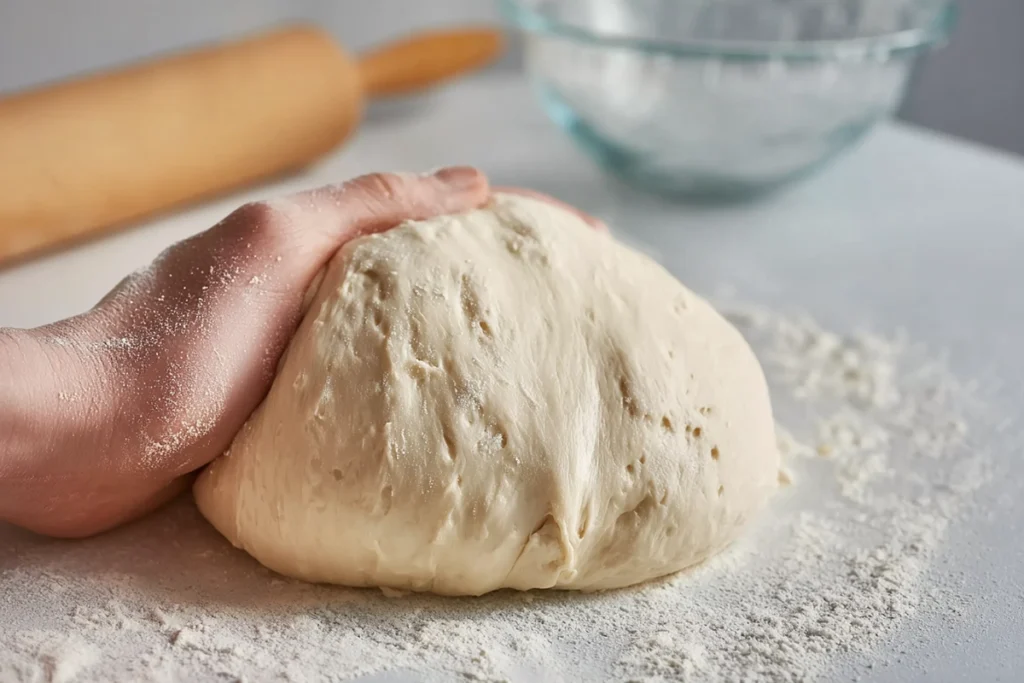
Add oil and salt, then stir in flour one cup at a time. Once the dough starts pulling away from the bowl, transfer it to a floured surface and knead until smooth and elastic—about 6 to 8 minutes by hand.
3. First Rise
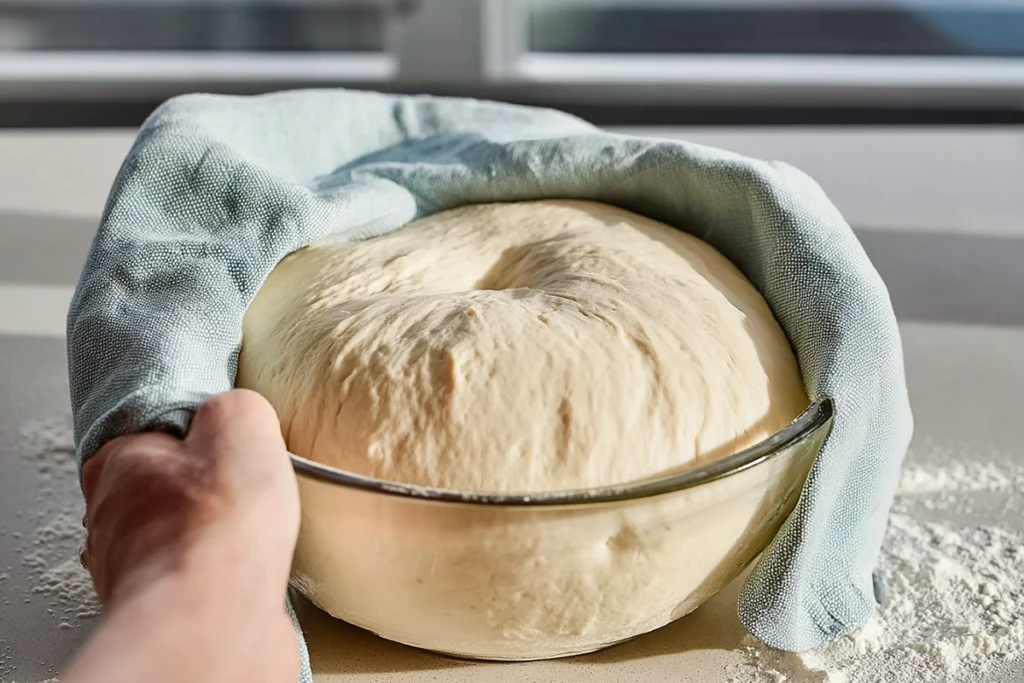
Place the dough in a lightly oiled bowl, turning once to coat all sides. Cover with a damp towel and let it rise inside a warm spot until doubled in size, roughly one hour.
4. Shape and Second Rise
Punch the dough down, divide it into two equal portions, and shape each into a loaf. Place them in greased loaf pans and let them rise again for about 30 minutes.
5. Bake to Perfection
Heat your oven to 350°F. Bake for 25 to 30 minutes, or until the tops are golden brown and sound hollow when tapped. Brush with melted butter right after baking for a soft, glossy crust.
When you slice into that warm loaf, you’ll understand why people call this the most comforting bread around.
Variations and Add-Ins
Make It Your Own
Once you’ve mastered the base recipe, the fun begins. For a richer flavor, replace half the sugar with honey. You can also sprinkle sesame or poppy seeds on top for extra texture.
Whole-Wheat Blend
Try substituting one cup of plain flour with whole-wheat flour for added fiber and a nutty undertone. Just keep in mind that whole-wheat doughs tend to be slightly denser, so you may need an extra tablespoon of water to balance it out.
Dinner Rolls or Buns
This dough doubles beautifully for dinner rolls. Divide into smaller balls, proof, and bake for 18 to 20 minutes for soft, golden rolls that melt in your mouth.
Dietary Variations
Vegan
Swap butter for a neutral oil or plant-based spread and use non-dairy milk (like almond or oat) if you prefer added richness. The flavor stays the same, and you’ll keep it fully vegan.
Gluten-Free
Use a high-quality gluten-free flour blend and add 1 teaspoon of xanthan gum if it’s not already included. Expect a slightly denser texture, but it will still bake up soft and aromatic.
Low-Calorie or Low-Fat
Cut the sugar to ⅓ cup and use a light vegetable oil. You can also substitute half the flour with white whole-wheat flour to add fiber without losing softness.
Halal
This recipe naturally fits a halal diet since all ingredients are plant-based or neutral. Just make sure your yeast and oil are halal-certified if needed.
Storage, Freezing, and Reuse Tips
Homemade bread doesn’t have preservatives, so it’s best eaten fresh within three days. Store your Amish white bread in an airtight container or wrapped in plastic wrap at room temperature. Avoid refrigerating—it can dry out the crumb.
For longer storage, slice the loaf before freezing. When you’re ready to enjoy it again, toast slices straight from frozen or reheat them in the oven for a few minutes.
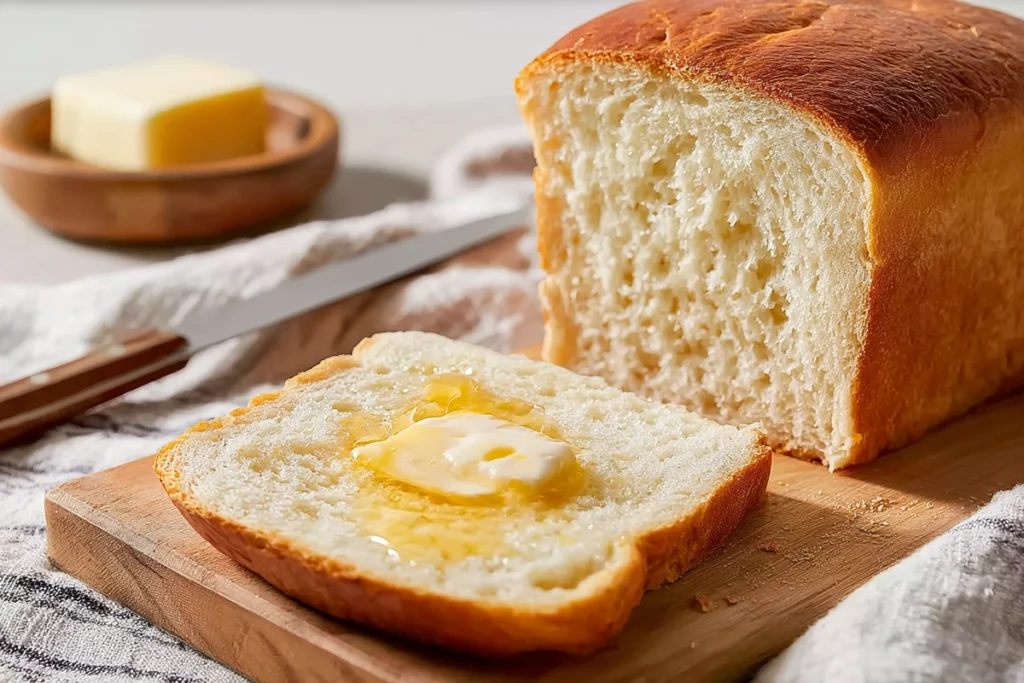
If your bread gets a little stale, don’t toss it! It makes wonderful French toast, bread pudding, or the perfect base for garlic toast with dinner. Nothing goes to waste when the bread’s this good.
There’s a gentle delight in baking Amish white bread—kneading by hand, watching it rise, and sharing it warm from the oven. It’s more than just bread; it’s a ritual of slowing down and savoring something real. Whether you spread butter on a fresh slice or turn it into tomorrow’s sandwiches, every bite tastes like home.
Get inspired with more delicious recipes! Follow me on Pinterest for new cooking ideas every week.
FAQ
What makes Amish white bread different from regular white bread?
Amish white bread stands out because it blends simplicity with softness and a slightly sweet flavor. Unlike many store-bought white breads, this loaf uses basic ingredients, lets the dough rise fully, and results in a tender, home-baked crumb that’s ideal for sandwiches or toast you’ll want to savor.
Can I use plain flour instead of bread flour in Amish white bread?
Yes — you can substitute plain flour for bread flour, and the loaf will still turn out great. Just know that using bread flour gives a bit more chew and structure, while all-purpose keeps things slightly softer. Either way, you’ll get a satisfying sandwich-friendly texture.
How long does Amish white bread stay fresh, and can I freeze it?
This homemade loaf holds up nicely for about 3-4 days when stored in an airtight container at room temperature. For longer storage, slice it and freeze; you can thaw or toast slices later, and it will still taste fresh and homemade.
Why didn’t my Amish white bread dough rise properly?
If the dough didn’t rise well, it could be due to certain factors: the yeast might be old or inactive, the water was too hot or too cold, or your rising spot was too cool or drafty. Making sure yeast is fresh, water is around 110 °F, and the dough is in a warm, undisturbed place will help get that nice, full rise.
Print
amish white bread
- Prep Time: 20 minutes
- Cook Time: 30 minutes
- Total Time: 1 hour 50 minutes
- Yield: 2 loaves 1x
- Category: Bread
- Method: Baking
- Cuisine: American
- Diet: Vegetarian
Description
Ingredients
- 2 cups warm water (110°F)
- 2/3 cup granulated sugar
- 1 ½ tablespoons active dry yeast
- ¼ cup vegetable oil or melted butter
- 1 ½ teaspoons salt
- 5 ½ to 6 cups plain flour
Instructions
- Combine warm water and sugar in a large bowl. Sprinkle yeast over the top and let it sit for 10 minutes until frothy.
- Add oil and salt, then stir in flour one cup at a time until dough starts pulling away from the bowl.
- Transfer to a floured surface and knead until smooth and elastic, about 6 to 8 minutes.
- Place the dough in a lightly oiled bowl, cover, and let it rise for 1 hour or until doubled in size.
- Punch down the dough, divide into two portions, and shape into loaves. Place in greased pans and let rise 30 minutes.
- Bake at 350°F for 25–30 minutes until golden brown and hollow sounding.
- Brush tops with butter and cool before slicing.
Notes
- Use bread flour for a chewier loaf or all-purpose for a softer texture.
- Brush tops with melted butter for a tender crust.
- Slice before freezing for easier storage.