
Cinnamon Sugar Cruffins That Actually Feel Bakery-Made

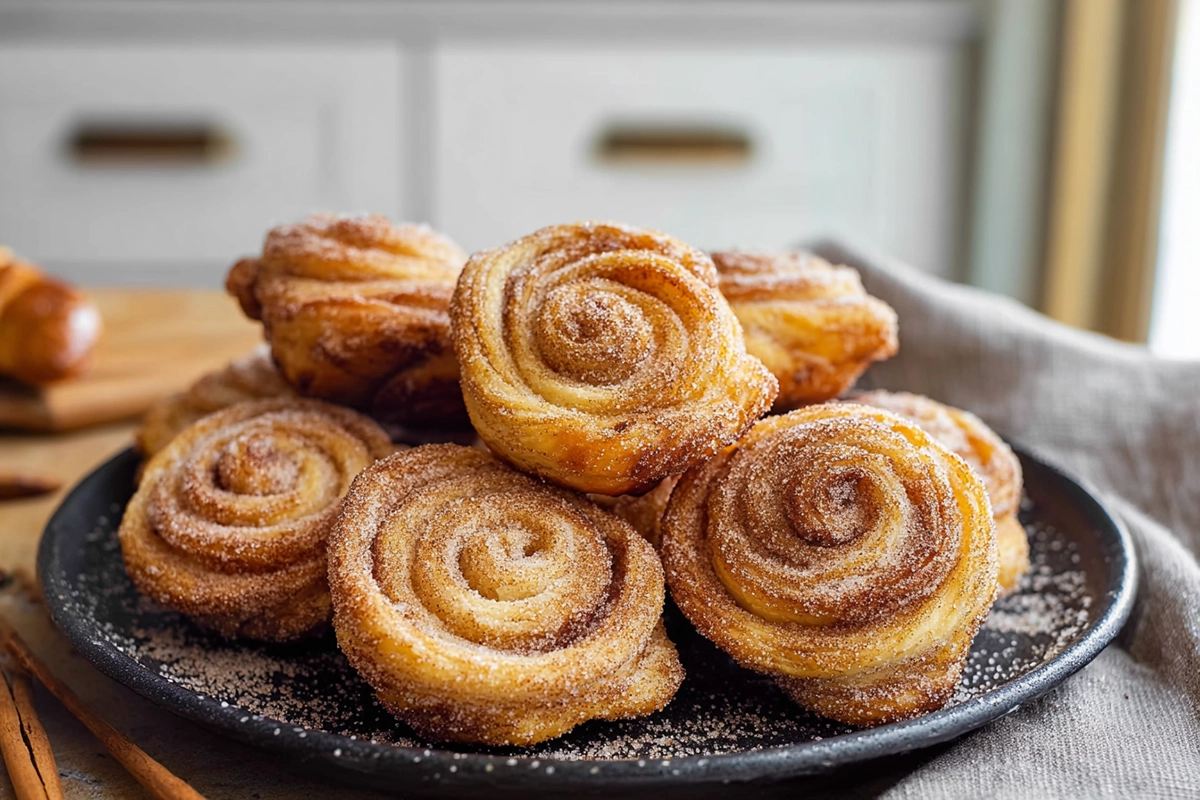
The first time I made Cinnamon Sugar Cruffins, the smell alone stopped everything else in the house. Butter melting into dough, sugar caramelizing at the edges, cinnamon blooming the moment the oven door cracked—this is the kind of breakfast pastry that makes people wander into the kitchen “just to check.” It promises croissant-style layers without the laminated-dough headache, and when it’s done right, the outside shatters slightly while the inside stays soft and buttery.
Here’s the problem: most cruffin recipes oversell the shortcut and undersell the details. They assume any dough, any butter, any sugar will magically turn into something flaky and impressive. That’s how you end up with pale spirals, dry centers, or pastries that look good but eat like sweet bread rolls. The technique isn’t hard—but it’s precise, and the ingredients do more work than people admit.
My promise here is simple. These Cinnamon Sugar Cruffins work because the ingredients are doing exactly what they’re supposed to do, not because of some viral trick. We’re leaning on store-bought dough intelligently, not fighting it. We’re using butter the right way, sugar at the right moment, and cinnamon for aroma—not bitterness. This isn’t bakery cosplay. It’s a reliable, repeatable way to get something that feels indulgent without turning your kitchen into a pastry lab.
The No-Regret Ingredients
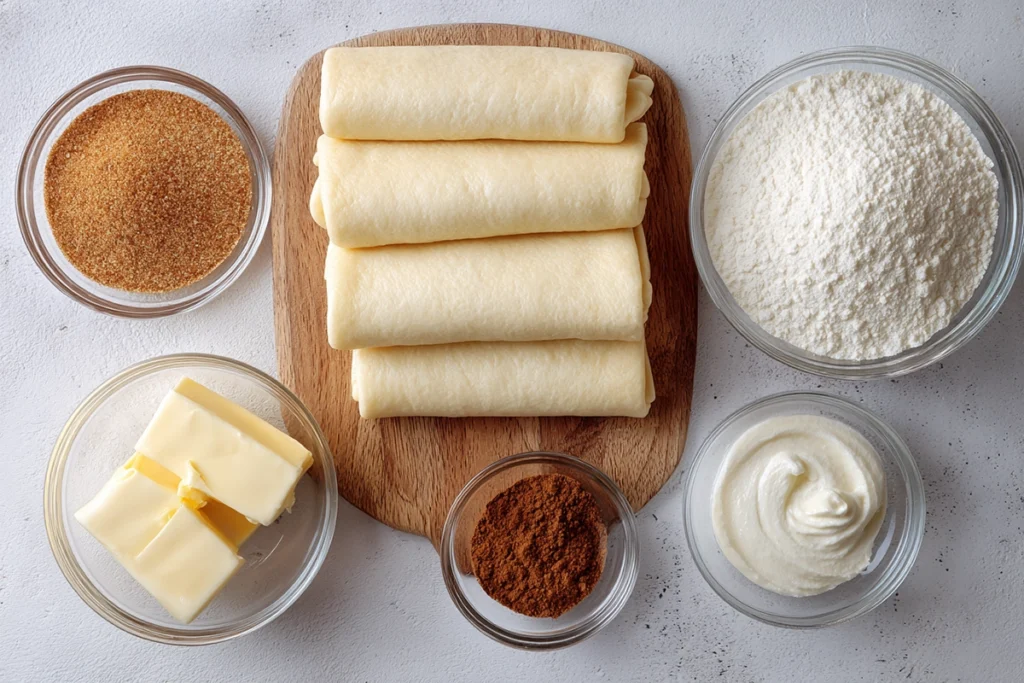
Crescent Roll Dough
This recipe lives or dies by the dough, and crescent roll dough is non-negotiable. It already contains fat and layering, which is why it can puff and separate without traditional lamination. Stick to standard refrigerated crescent sheets if you can—perforated dough works, but only if you take the time to seal those seams properly.
Butter
Use real butter, fully softened, not melted and definitely not cold. Soft butter spreads evenly, soaking into the dough layers instead of pooling or tearing them. I don’t care about brand here as long as it’s real butter—salted or unsalted both work, but avoid anything labeled “spread” or “blend.”
Granulated Sugar
Plain white sugar is exactly what you want. It melts cleanly, caramelizes at the right speed, and clings to the buttered dough without turning syrupy too early. Fancy sugars burn faster and muddy the flavor—save them for cookies.
Ground Cinnamon
Freshness matters more than brand. Cinnamon that’s been sitting open for years tastes dusty and flat, and you’ll notice it here. If you don’t smell it immediately when you open the jar, it won’t carry through the bake.
Turning Store-Bought Dough Into Something Special
Erasing the Seams Before They Erase You
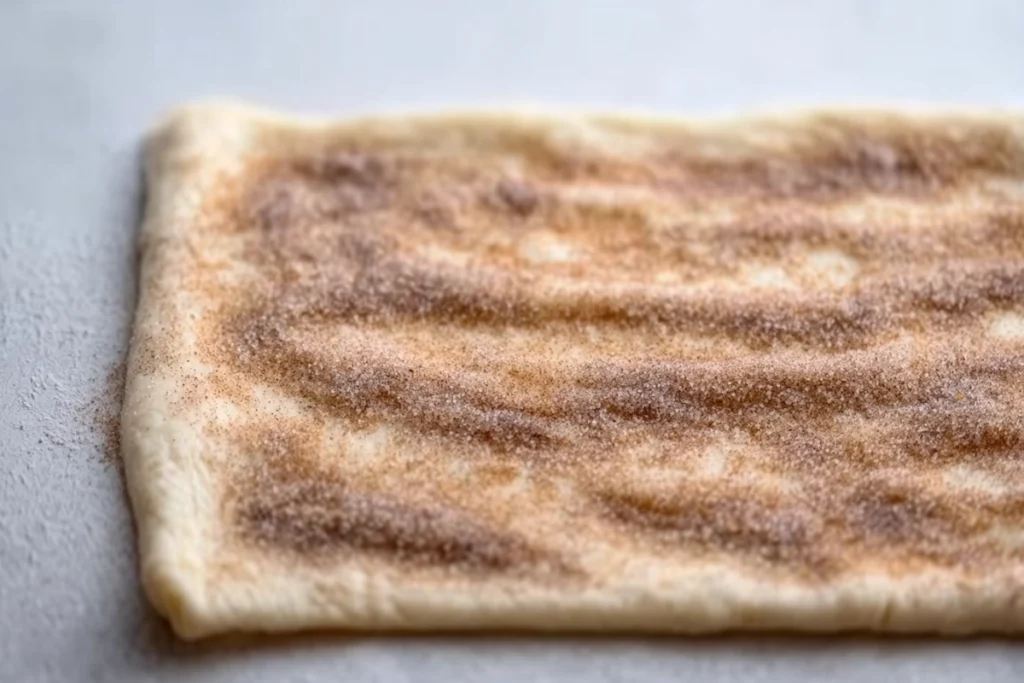
Once the dough is unrolled, the first thing I look at is the perforations. Visually, they’re obvious little fault lines just waiting to split. Use your fingers and a rolling pin until those lines disappear and the surface looks smooth and continuous. The dough should feel slightly tacky—like a Post-it note that still sticks—but not wet or stretchy like gum. If you rush this, you’ll smell butter leaking and sugar burning later because the filling will escape through those seams.
Buttering for Absorption, Not Slathering
Softened butter should glide on easily, leaving a thin, even sheen instead of thick patches. You want to see the dough darken slightly as it absorbs the fat. If the butter clumps or drags, it’s too cold, and you’ll feel the dough tear under your knife later. When it’s right, the smell is faintly sweet and creamy—not greasy—and your fingers won’t slide off the surface.
Sugar and Cinnamon: Coverage Is the Goal
When the cinnamon sugar goes on, you’re looking for full coverage, not dunes. Visually, the dough should look sandy but even, with no bare butter spots. If you tap the surface lightly, the sugar should stick instead of sliding. The smell at this stage should already be warm and spicy; if it’s sharp or dusty, your cinnamon is tired.
Rolling, Cutting, and Exposing the Layers
Rolling the dough into logs is where restraint matters. Roll snug, not tight—you should hear a soft whisper of dough against the counter, not a squeak. When you cut lengthwise, the layers should open like pages of a book, clearly striped with cinnamon sugar. If they smear together, the dough was too warm or overworked.
Wrapping and Baking for Lift
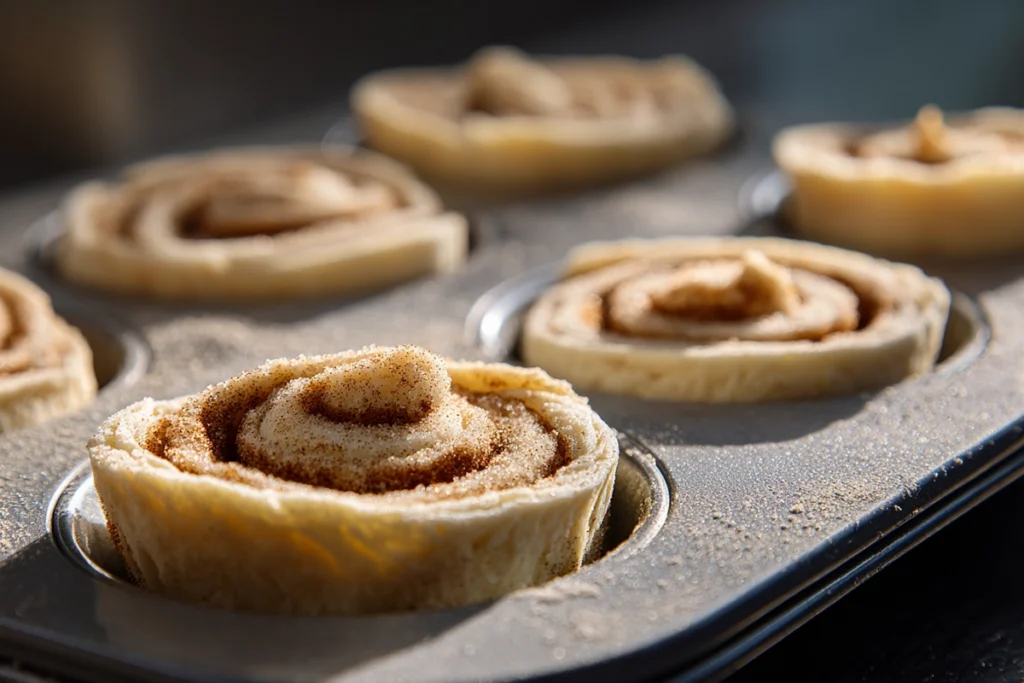
As you wrap each piece into a spiral, the layers should face outward, clearly visible. The dough should feel pliable but spring back slightly when you let go. In the oven, listen for a gentle sizzle as the butter melts, and watch for deep golden ridges forming on the edges. Halfway through, the smell should shift from raw dough to toasted sugar—that’s your cue that things are going right.
The Uh-Oh Moments (Where People Fail)
Why Did My Cruffins Unravel?
This usually means the dough was rolled too loosely or the seams weren’t sealed well enough. I learned this after pulling a pan of cinnamon chaos from the oven—layers slid apart and baked flat. If the dough doesn’t cling to itself slightly when wrapped, it won’t hold once the butter melts.
Why Are They Pale Instead of Golden?
My oven runs cool, and the first batch taught me that lesson fast. Pale cruffins mean the sugar never caramelized properly. Use an oven thermometer and trust your eyes—golden brown edges with darker ridges are what you’re after, not blond spirals.
Why Are the Centers Doughy?
This happens when the spirals are wrapped too tight or crowded in the pan. The centers need space to expand. When baked properly, the tops should feel crisp when tapped, and the bottoms should release easily with a faint crackle.
Why Didn’t the Final Sugar Stick?
Timing matters. I waited too long once, answering a phone call, and the sugar slid right off. The cruffins need to be hot enough that the surface butter grabs the sugar immediately. If they’re warm instead of hot, you’ll smell cinnamon—but you won’t see it cling.
Make It Your Own
Orange Zest Cinnamon Sugar
This is the variation I reach for when I want these to feel like they came from a real bakery case. Finely grate fresh orange zest directly into the cinnamon sugar and rub it in with your fingers until it smells bright and fragrant. You’ll see tiny orange flecks in the sugar, and the aroma shifts from warm to citrusy the moment it hits the oven. Don’t overdo it—too much zest turns bitter once baked.
Pumpkin Spice Swap
In the fall, I replace the cinnamon with a pumpkin spice blend, but I still cut it with plain sugar instead of brown. The blend brings nutmeg and clove, which bloom fast, and you’ll smell it before you even see color on the dough. Expect a slightly darker bake and a more aromatic finish. This works best served warm; once cooled, the spice notes mellow quickly.
Light Vanilla Glaze Finish
If you want dessert instead of breakfast, a thin vanilla glaze does the job. Keep it pourable, not thick—when spooned over warm cruffins, it should melt and disappear into the ridges rather than sit on top. You’ll hear a faint crackle as it sets, and the smell turns from toasted sugar to vanilla cake. This is indulgent, so I only do it when company’s coming.
Serving & Storing
I eat these Cinnamon Sugar Cruffins warm, standing at the counter, usually before they even make it to a plate. When they’re fresh, the outside is crisp enough to flake under your fingers, and the inside pulls apart softly. They don’t need butter or glaze—just coffee and about five quiet minutes.
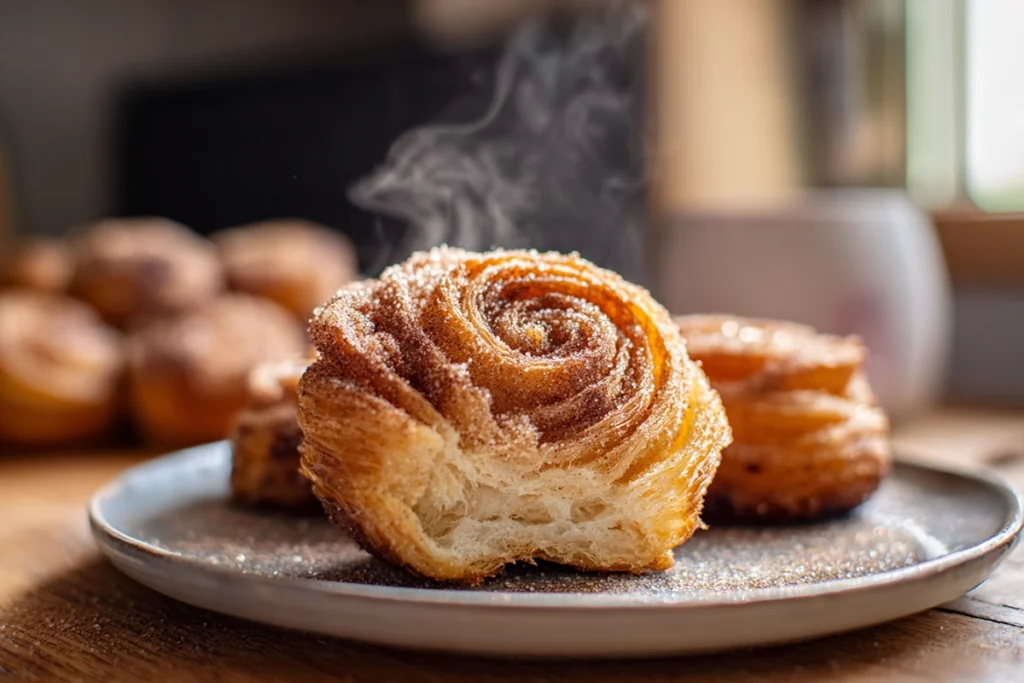
If you’re not eating them the same day, don’t put them in the fridge. Bread dries out in the cold, and these lose their texture fast. For freezing, let them cool completely, then slice them in half before wrapping. Trust me—you don’t want to wrestle a frozen pastry later. To reheat, the air fryer at 350°F for about two minutes brings the crunch back better than any microwave ever will.
When done right, Cinnamon Sugar Cruffins give you that bakery smell, that flaky pull-apart texture, and that quiet satisfaction of knowing the shortcut actually worked. They’re proof that you don’t need fancy technique—just attention and a little restraint.
Get inspired with more mouthwatering recipes! Follow me on Pinterest for new cooking ideas every week.
Frequently Asked Questions
Can I make Cinnamon Sugar Cruffins ahead of time?
Yes, but they’re best the day they’re baked. If you need to prep ahead, bake them fully, let them cool, and reheat briefly in the oven or air fryer before serving. Making them completely ahead and serving cold flattens the texture and dulls the cinnamon aroma.
Why did my cruffins unravel while baking?
This almost always comes down to the dough seams or rolling tension. If the perforated lines weren’t fully sealed or the logs were rolled too loosely, the butter melts and pushes the layers apart. You want snug rolls and clearly exposed layers facing outward.
Can I use puff pastry instead of crescent dough?
You can, but it won’t be the same result. Puff pastry bakes crisper and drier, with less tenderness inside. Crescent roll dough has more softness built in, which is what gives these their muffin-like center with flaky edges.
How do I know when they’re fully baked in the center?
Look for deep golden ridges and listen for a faint crackle when you tap the top. If the bottoms release cleanly from the pan and the tops feel crisp rather than spongy, the centers are done. Pale tops usually mean raw middles.
Can these be made without a muffin tin?
Technically yes, but I don’t recommend it. The muffin tin supports the spiral shape while the butter melts. Without it, the dough tends to spread and bake flat instead of lifting upward.
Why are my cruffins dry instead of flaky?
Dry cruffins usually mean too little butter or butter that was too cold to spread evenly. When the dough doesn’t absorb the fat properly, the layers bake up stiff instead of tender. Softened butter matters here more than people think.
What’s the best way to reheat them without losing crunch?
An air fryer at 350°F for about two minutes works best. The oven also works, but avoid the microwave—it softens the sugar coating and turns the pastry chewy instead of crisp.
Cinnamon Sugar Cruffins
Ingredients
Method
- Preheat the oven to 350°F and lightly grease a standard 12-cup muffin tin with nonstick spray.
- Roll one sheet of crescent dough into an even rectangle on a lightly floured surface, sealing seams if needed.
- Spread softened butter evenly over the dough.
- Mix the sugar and cinnamon together, then sprinkle evenly over the buttered dough, pressing gently to adhere.
- Roll the dough tightly from the long edge into a log.
- Cut the log in half crosswise, then slice each half lengthwise to expose the layers.
- With the layered side facing outward, roll each piece into a loose spiral and place into the muffin tin.
- Repeat with remaining dough sheets until all muffin cups are filled.
- Bake for 18–20 minutes until puffed and golden brown.
- Remove from the oven and immediately roll each cruffin in remaining cinnamon sugar before serving.
Notes
- Use crescent roll sheets if possible for cleaner layers, but regular crescent dough works if seams are sealed.
- Roll the dough snugly to help the cruffins hold their shape while baking.
- For best texture, enjoy the cruffins the same day they are baked.