
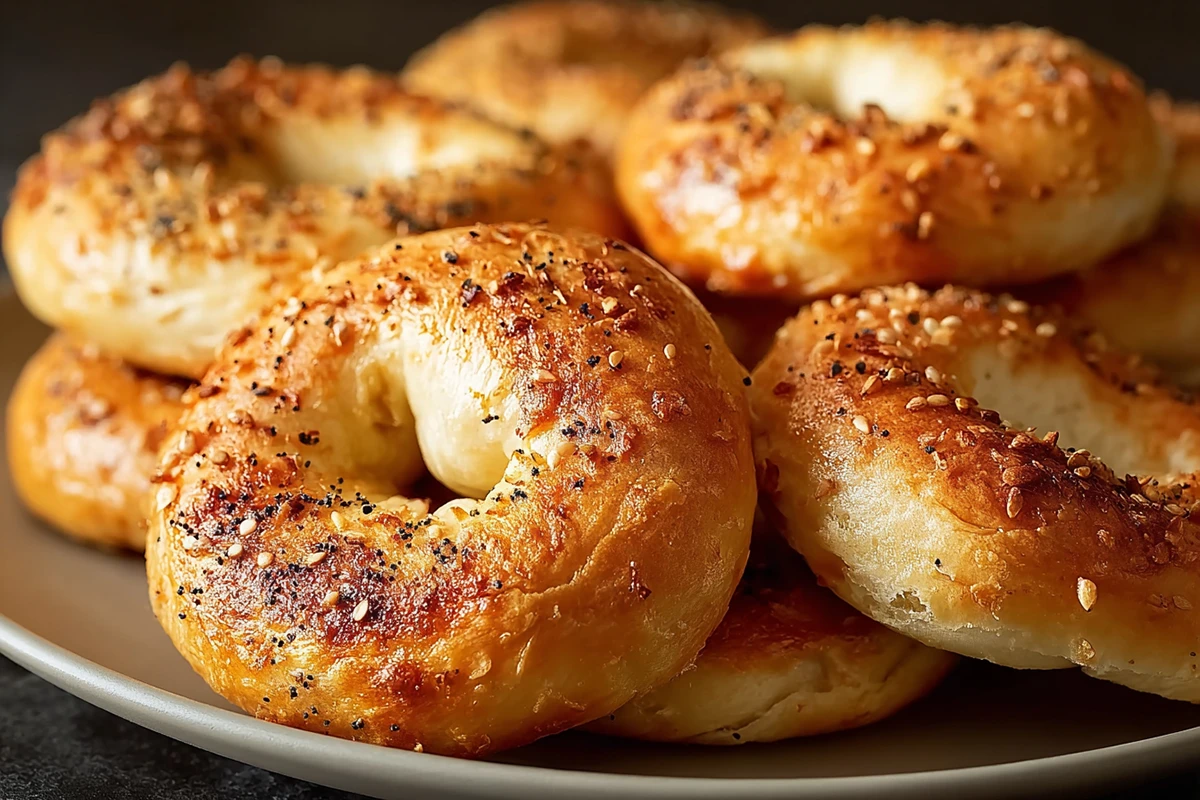
The Greek Yogurt Bagels That Finally Worked

The Bagel That Quietly Replaced My Breakfast Sandwich
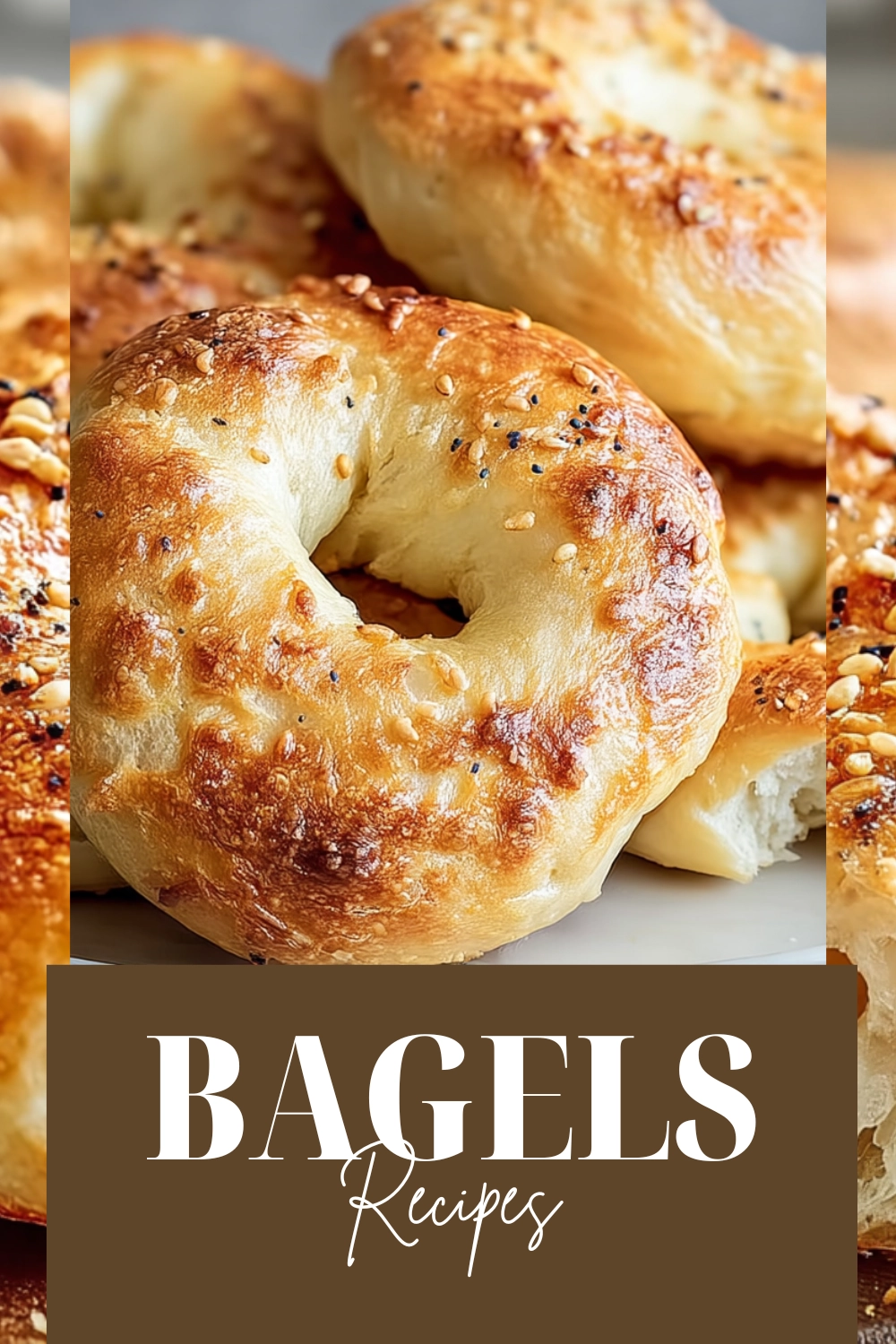
The first time I made Greek Yogurt Bagels, I wasn’t chasing nostalgia or trying to “health-wash” a comfort food. I just wanted something warm, chewy, and filling that smelled like real bread and didn’t leave me hungry an hour later. What came out of the oven surprised me—soft centers, lightly crisp tops, and that faint tang you only get when yogurt does its job right. Not bakery bagels, but something I actually wanted to eat on a Tuesday morning.
Here’s the problem with most Greek yogurt bagel recipes online: they pretend all yogurt behaves the same, they gloss over dough texture, and they swear everything works “no matter what flour you use.” That’s just not true. Some versions bake up dense. Others spread flat. A few taste fine fresh but turn sad and rubbery by day two—which completely defeats the point if you’re meal prepping.
This version works because it respects the ingredients and the physics. Thick yogurt matters. Fresh baking powder matters. And stopping before you overwork the dough matters more than people admit. My promise here is simple: I’ll tell you why each ingredient is here, where you can cut corners, and where you absolutely shouldn’t. No hype—just bagels you can rely on, bake after bake.
Table of Contents
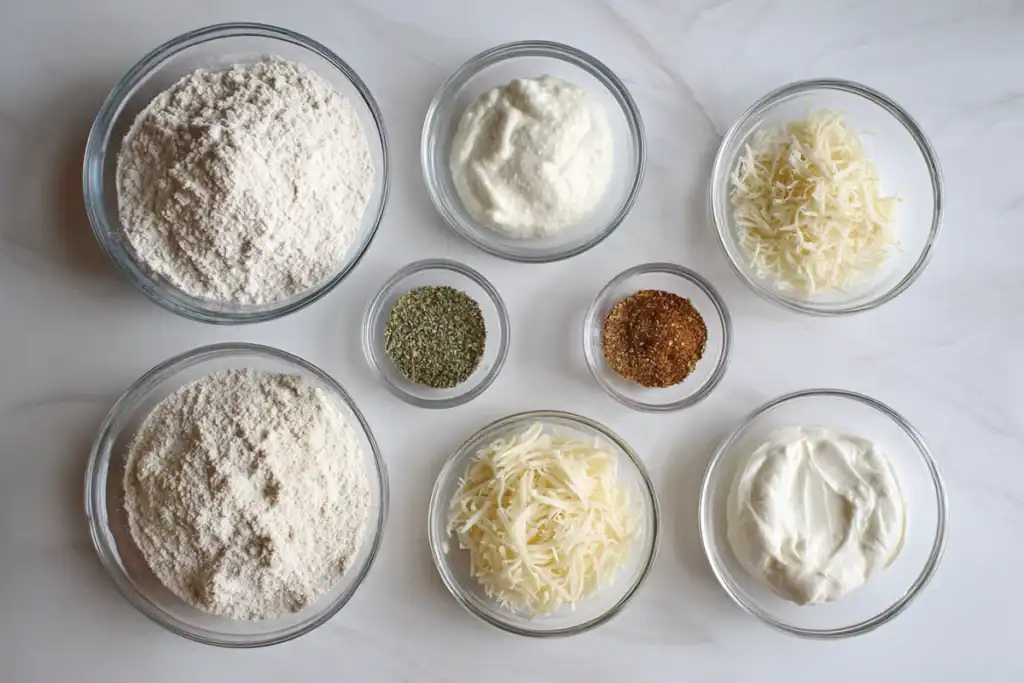
The No-Regret Ingredients (What Actually Matters Here)
Greek Yogurt
This is the backbone of the whole recipe, and texture matters more than brand. You want a thick, strained Greek yogurt that holds its shape on a spoon—if it pours, it’s too wet. Store brands are fine, but if the yogurt is thin, you’ll fight sticky dough and end up adding too much flour.
All-Purpose Flour (or Whole Wheat)
Regular all-purpose flour works beautifully here and keeps the bagels soft. Whole wheat flour is fine too, but expect a slightly denser crumb and a dough that needs a touch more moisture. Cheap flour is totally acceptable—this isn’t a place where premium makes a dramatic difference.
Baking Powder
This is your lift. Old baking powder is the silent killer of yogurt bagels, and most people don’t realize theirs has been open for years. If your bagels don’t rise, this is usually why—not the recipe.
Salt
A small amount goes a long way, but skipping it makes the bagels taste flat and oddly sweet. This isn’t optional seasoning; it’s structural flavor. Any fine salt works here.
Egg (for Egg Wash)
You can skip it, but you’ll lose that golden finish and slight surface crisp. One egg gives the bagels a bakery-style look and helps toppings stick instead of falling off after baking.
Optional Toppings
Everything seasoning, cinnamon, cheese, garlic, herbs—these all work if you don’t overload the surface. The bagel itself is mild, which is exactly why toppings shine here. Keep it balanced and let the base do its job.
How These Bagels Come Together (No Yeast, No Waiting, No Drama)
The Dough: Knowing When to Stop
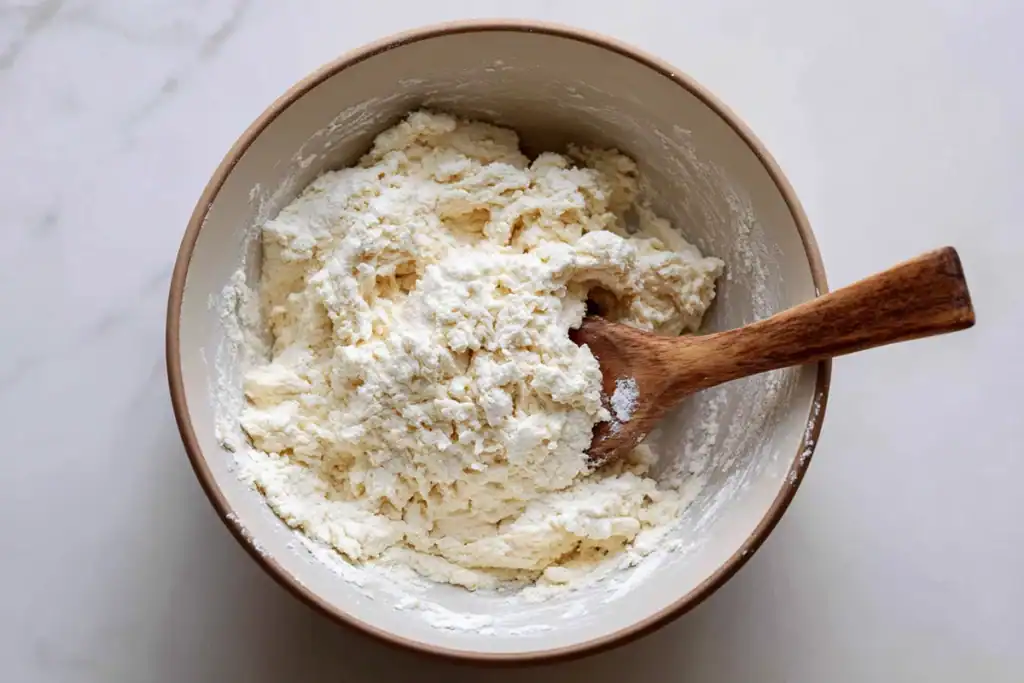
This dough comes together fast, and that’s both a blessing and a trap. When you mix the flour and yogurt, it should look shaggy at first, then suddenly pull into a soft mass. Touch matters here—it should feel tacky, like the back of a Post-it note, not wet like glue. If it’s sticking aggressively to your fingers, pause and look: shiny streaks usually mean your yogurt was a bit loose. The smell at this stage should be clean and slightly tangy, not sour or floury.
As soon as it holds together, stop working it. Over-mixing makes the dough tighten and bake up dense. You’re not building gluten strength here—you’re just bringing ingredients together and getting out of the way.
Shaping Without Overthinking
When you divide and shape the dough, pay attention to how it behaves under your hands. It should roll smoothly with a light dusting of flour, not crack at the edges or slump flat. Visually, you want rounded tops with clean sides; if they look ragged, the dough needs a brief rest. When you poke a hole, the dough should stretch without tearing and slowly relax back—not snap shut immediately.
There’s no boiling step, so shape is everything. If they’re uneven now, they’ll bake unevenly later. This is where you slow down just a bit.
Baking for Color, Not Just Time
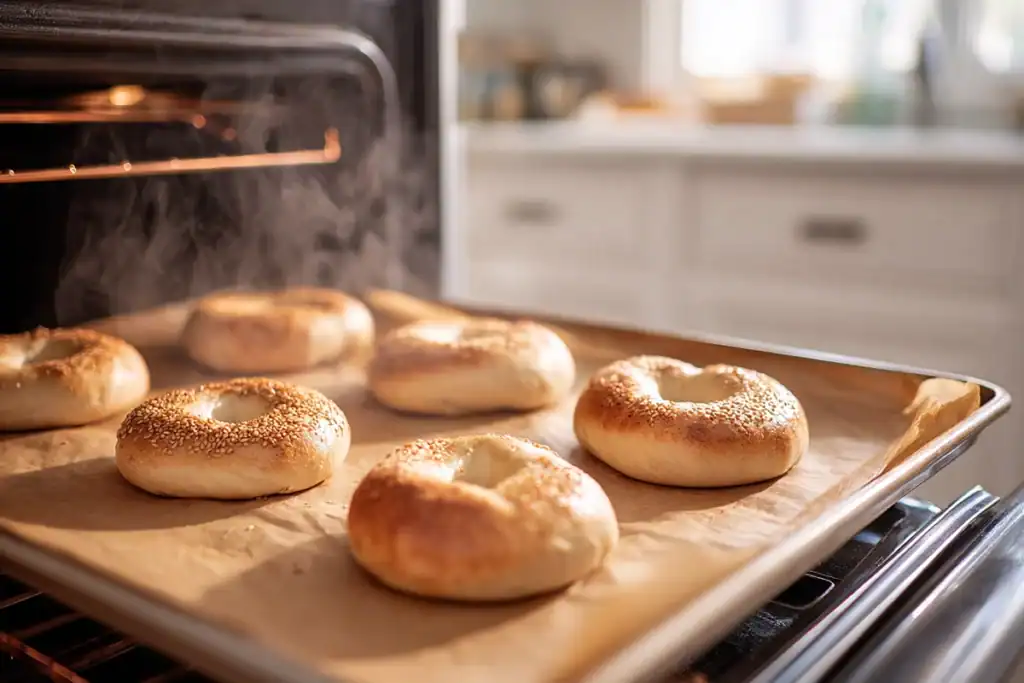
Once they hit the oven, listen. You won’t hear a sizzle, but after a few minutes you’ll smell warm dairy and toasted flour—that’s your cue things are moving. Halfway through baking, the surface should look dry and slightly matte, not glossy. Toward the end, you’re watching for golden tops, not just a timer. Pale bagels mean your oven is lying to you.
When they’re done, the bottoms should sound hollow when tapped lightly, and the smell should be nutty and comforting, not sharp or over-browned.
The Uh-Oh Moments (Where People Usually Mess This Up)
Why Is My Dough Sticky?
This almost always comes down to yogurt. I learned this the hard way after chasing the problem with extra flour and ending up with dry bagels. If the dough feels wet and shiny instead of tacky, your yogurt wasn’t thick enough. Add flour slowly, but know that fixing it at the source next time is the real solution.
My Bagels Came Out Flat
Flat bagels usually mean tired baking powder or overworked dough. If your dough felt tight and fought back when shaping, that’s a clue you mixed too long. And if your baking powder has been sitting open for a year, it’s not lifting anything. Fresh matters here.
They’re Pale Even After Baking
My oven runs cool, and the first batch taught me not to trust the dial. Pale bagels usually mean the oven never hit full temperature. Get an oven thermometer and wait until it’s truly hot. Color comes from heat, not extra time.
They’re Dry the Next Day
This happens when they’re overbaked or stored warm. If they smell toasted but not rich when they come out, they’ve gone too far. Let them cool completely before storing—warm bagels trap steam and turn tough overnight.
Make It Your Own (Only Versions Worth Baking)
Everything Bagel (The Reliable One)
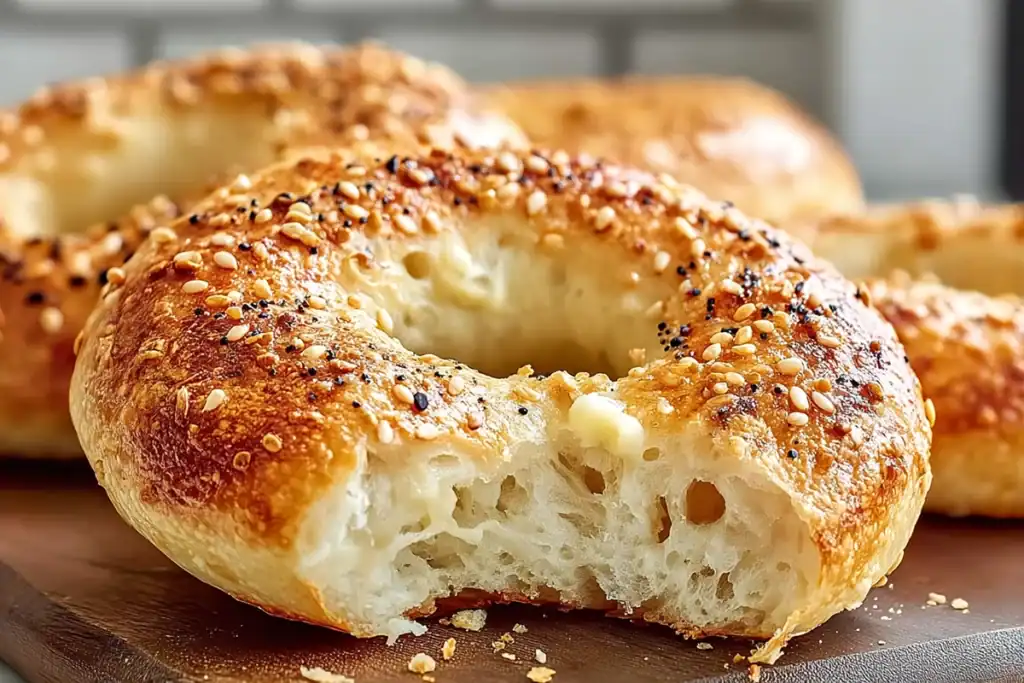
This is the version I make most often because it doesn’t mess with the dough itself. Brush the egg wash generously, then press the seasoning on with your fingers so it actually sticks. You’ll smell toasted onion and sesame about halfway through baking—that’s your sign you’re on track. Go light-handed, though; too much seasoning pulls moisture from the surface and can dry the crust.
Cinnamon Breakfast Bagels
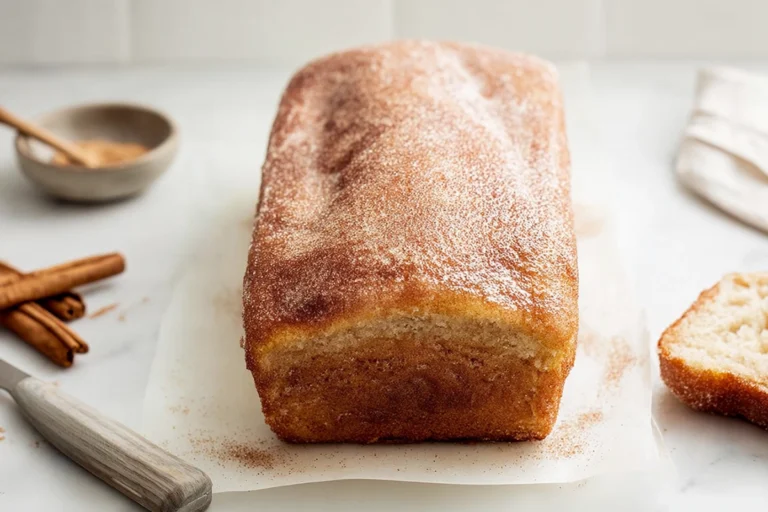
Cinnamon belongs in the dry mix, not sprinkled on top. When it’s folded evenly into the flour, the bagels bake up warm and aromatic instead of bitter in spots. The smell should be subtle and bakery-like, not sharp. These come out slightly softer than savory versions, which makes them perfect for toasting the next day.
Cheddar & Savory
If you’re adding cheese, use block cheddar and grate it yourself. Pre-shredded cheese has anti-caking powder that melts poorly and leaves dry pockets inside the bagel. Mix the cheese in gently—you want visible pockets, not orange dough. When they bake, listen closely: a faint crackle from the cheese on the surface is exactly what you want.
Gluten-Free (Manage Expectations)
Gluten-free flour works, but the texture changes. The dough will feel softer and less elastic, and the baked bagels come out denser. I toast these twice when reheating, and they’re honestly best eaten warm. Don’t expect chew—aim for sturdy and satisfying.
How I Actually Eat and Store These
I eat these warm, split open, with nothing more than salted butter most mornings. When I want protein, I add cream cheese or a fried egg, but the bagel itself holds up without being buried. Let them cool fully before slicing—the crumb sets as it cools, and cutting early makes them gummy.
For storage, the counter is fine for two days in a sealed container. I avoid the fridge whenever possible; bread goes stale faster there. For freezing, slice them first—trust me on this. Wrap tightly and freeze up to two months. Reheat straight from frozen in a toaster or air fryer; two minutes brings back the crust and that fresh-baked smell.
Closing Thoughts
These Greek Yogurt Bagels earned their place in my weekly routine because they’re dependable, filling, and honest about what they are. They’re not pretending to be bakery bagels—they’re better for real life, and that’s exactly why they work.
Get inspired with more mouthwatering recipes! Follow me on Pinterest for new cooking ideas every week.
Frequently Asked Questions
Can I use regular yogurt instead of Greek yogurt?
Yes, but only if you strain it first. Regular yogurt straight from the container is too wet and will turn the dough sticky and frustrating. If you don’t strain it until thick, you’ll end up adding too much flour and the bagels will bake up dense.
Why does my dough feel wet even with the right measurements?
This usually means your yogurt has more moisture than expected. Brands vary a lot. The dough should feel tacky, not shiny or gluey. If it looks wet, add flour a tablespoon at a time—but make a note to use thicker yogurt next time.
Can I double the batch without problems?
Yes, doubling works fine, but mix gently. Bigger batches tempt you to overwork the dough, which tightens it up. Divide and shape right away so the dough doesn’t sit and soften too much.
Are these freezer-friendly after baking?
Absolutely. Slice them before freezing, wrap tightly, and freeze up to two months. If you freeze them whole, they turn into solid rocks and are a pain to cut later.
Can I air-fry these instead of baking them?
Yes, but expect slightly less rise. Air fry at a moderate temperature until golden, and keep an eye on them—they brown fast. The smell of toasted yogurt and flour is your cue they’re ready.
Why didn’t my bagels brown properly?
Most likely your oven runs cool or you skipped the egg wash. Pale bagels usually mean low heat, not underbaking time-wise. An oven thermometer fixes this problem fast.
PrintGreek Yogurt Bagels

Soft, chewy Greek Yogurt Bagels made with no yeast. Ready in under 40 minutes with simple ingredients and reliable results every time.
- Prep Time: 10 minutes
- Cook Time: 25 minutes
- Total Time: 35 minutes
- Yield: 4 bagels 1x
- Category: Breakfast, Snack
- Method: Baking
- Cuisine: American
- Diet: Vegetarian
Ingredients
- 1 cup all-purpose flour
- 2 teaspoons baking powder
- 1/4 teaspoon salt
- 1 cup Greek yogurt
- 1 egg
Instructions
- Preheat oven and line a baking sheet.
- Mix flour, baking powder, and salt.
- Stir in Greek yogurt until a dough forms.
- Shape dough into bagels.
- Brush with egg wash and add toppings.
- Bake until golden brown.
Notes
- Use thick Greek yogurt for best texture.
- If dough is sticky, add flour gradually.
- Let bagels cool before slicing.
- Slice before freezing for easy storage.
Nutrition
- Serving Size: 1 bagel
- Calories: 180
- Sugar: 3g
- Sodium: 320mg
- Fat: 4g
- Saturated Fat: 1.5g
- Unsaturated Fat: 2g
- Trans Fat: 0g
- Carbohydrates: 26g
- Fiber: 1g
- Protein: 9g
- Cholesterol: 45mg